What is Terrace & Water Tank Waterproofing?
Terrace waterproofing and water tank waterproofing are essential processes that protect your home from water damage by preventing moisture from entering the building structure. Since terraces and water tanks are continuously exposed to rain, sunlight, temperature changes, and stored water, they require specialised waterproofing systems to ensure long-term durability.
Waterproofing for terrace involves applying protective waterproofing products and coatings over the terrace surface to prevent rainwater from penetrating the concrete. This helps reduce cracks, seepage, and leakage into the rooms below.
Similarly, water tank waterproofing creates a waterproof barrier inside or outside the tank to prevent water leakage, maintain structural strength, and help preserve water quality. Whether it is an overhead or underground water tank, proper waterproofing protects the structure from continuous exposure to water.
Modern waterproofing solutions, such as waterproof membranes, cement-based coatings, and liquid-applied systems, provide reliable protection while extending the lifespan of terraces and tanks. Choosing the right waterproofing products during construction or renovation helps minimise future repairs and protects your home from costly water damage.
Why is Terrace & Water Tank Waterproofing Important?
Terraces and water tanks are among the most exposed parts of a building. Heavy rainfall, standing water, sunlight, and regular wear can gradually weaken these structures if they are not properly protected.
Here are some key reasons why roof waterproofing, terrace waterproofing, and tank waterproofing are important:
Prevents Water Leakage
A properly waterproofed terrace prevents rainwater from entering the roof slab and leaking into ceilings, walls, and electrical systems.
Protects the Building Structure
Continuous moisture can weaken concrete and corrode steel reinforcement. Waterproofing helps preserve the structural strength of the building.
Extends Surface Life
Using high-quality waterproofing products protects terrace finishes, concrete surfaces, and water tanks from early deterioration.
Reduces Maintenance Costs
Preventing leaks is more cost-effective than repairing damaged ceilings, peeling paint, cracked plaster, or weakened concrete.
Maintains Water Quality
Proper water tank waterproofing helps prevent contaminants, moisture ingress, and cracks that may affect stored water.
Improves Weather Resistance
A durable waterproof roof coating protects terraces from heavy rainfall, UV exposure, and temperature fluctuations throughout the year.
Whether for a residential home or commercial property, waterproofing is an investment that helps protect the building and reduces future maintenance expenses.
Common Causes of Terrace & Water Tank Leakage
Water leakage usually develops gradually due to ageing materials, poor construction, or lack of maintenance. Identifying the cause early helps prevent more extensive damage.
Some of the most common causes include:
Cracks in the terrace slab.
Damaged waterproofing layers.
Poor drainage leading to water accumulation.
Improper slope on the terrace.
Expansion joint failure.
Low-quality construction materials.
Ageing concrete.
Plumbing leaks near overhead tanks.
Structural movement causing cracks.
Poor sealing around pipe openings.
Continuous exposure to rain and sunlight.
Deterioration of existing waterproof coatings.
Routine inspection and timely repairs can significantly reduce the risk of leakage and improve the performance of waterproofing systems.
Signs Your Terrace Needs Waterproofing
Terrace waterproofing problems often become visible long before major structural damage occurs. Recognising these warning signs allows homeowners to take corrective action before repairs become expensive.
Water Stains and Discoloration
Brown stains or dark patches on ceilings beneath the terrace often indicate that water is entering through the roof slab.
These stains usually become more noticeable during the monsoon and should not be ignored.
Ponding Water
Water that remains on the terrace long after rainfall is known as ponding water. Standing water increases pressure on the waterproofing layer and can eventually cause leakage if left untreated.
Proper drainage and effective waterproofing for terrace help prevent this issue.
Cracked or Bubbling Paint
Peeling, blistering, or bubbling paint on ceilings or walls below the terrace often indicates hidden moisture caused by roof leakage.
Repainting alone will not solve the problem unless the waterproofing issue is addressed first.
Visible Roof Damage
Visible cracks, broken concrete, loose tiles, or damaged joints allow rainwater to enter the structure.
Repairing these defects and applying suitable roof waterproofing products helps prevent further deterioration.
Interior Mold and Mildew
Moisture entering through the terrace can create damp conditions that encourage mould and mildew growth inside the home.
Besides affecting the appearance of walls and ceilings, mould may also reduce indoor air quality.
If these warning signs appear, scheduling a professional waterproofing inspection can help identify the source of leakage before extensive repairs become necessary.
Signs Your Water Tank Needs Waterproofing
A damaged water tank can result in continuous leakage, water loss, and structural deterioration. Regular inspections help detect problems before they become severe.
Cracks, Leakage, or Damage
Visible cracks on the tank surface or continuous water leakage are clear signs that waterproofing is required.
Even small cracks can expand over time and weaken the structure.
Moisture, Dampness, or Mold
Persistent moisture around the outside of the tank may indicate hidden leakage.
If left untreated, this can lead to dampness, mould growth, and damage to nearby walls or ceilings.
Rust or Corrosion
Metal components such as reinforcement bars, pipes, or fittings may begin to rust if water penetrates the concrete.
Early waterproofing helps minimise corrosion and extends the life of the tank.
Decreased Water Quality
If stored water becomes cloudy, develops an unusual smell, or contains visible particles, damaged waterproofing may be allowing contaminants to enter the tank.
Maintaining the waterproof lining helps protect water quality.
Age of the Water Tank
Older water tanks naturally become more vulnerable to cracking and leakage due to years of water pressure and weather exposure.
Periodic inspection and timely waterproofing help extend their service life.
Ineffective Sealing of Joints and Connection
Pipe connections, construction joints, and inlet or outlet openings are common points where leakage begins.
Proper sealing using suitable waterproofing products helps prevent water from escaping through these vulnerable areas.
Best Waterproofing Solutions for Terraces
Choosing the right terrace waterproofing solution depends on the condition of the terrace, weather exposure, and whether the project is for a new building or repairs. High-quality waterproofing products create a durable barrier that protects the terrace from rainwater, heat, and long-term wear.
Some of the most effective solutions include:
Liquid Waterproofing Systems
Liquid-applied waterproofing forms a seamless protective layer over the terrace surface. It is ideal for terraces with multiple joints, corners, and pipe penetrations, as it covers irregular surfaces without leaving gaps.
Recommended Asian Paints Products:
Waterproof Roof Coatings
A waterproof roof coating helps protect exposed concrete from rain, sunlight, and temperature changes while reducing the risk of water seepage.
Recommended Asian Paints Products:
Crack Repair Systems
Before applying waterproofing, all visible cracks should be repaired to ensure long-lasting performance.
Recommended Asian Paints Products:
Cement-Based Waterproofing
Cementitious waterproofing systems provide excellent adhesion to concrete terraces and are commonly used beneath protective screeds and tiles.
Recommended Asian Paints Products:SmartCare Cem Boost
SmartCare Damp Proof Ultra
These products work together to provide reliable waterproofing for roof and terrace surfaces while reducing maintenance and extending the life of the building.
Types of Roof Waterproofing
Different roofs require different waterproofing systems based on the building design, weather conditions, and level of exposure to rain and sunlight. Choosing the right roof waterproofing solution helps prevent leaks, protects the concrete, and extends the life of the roof.
Acrylic Coatings
Acrylic coatings are water-based protective coatings that form a flexible layer on the roof surface. They help reflect sunlight, reduce heat absorption, and protect against rainwater. These coatings are suitable for terraces and concrete roofs that experience regular weather exposure.
Recommended Asian Paints Product:
Polyurethane Coatings
Polyurethane coatings create a strong, flexible waterproof layer that can handle minor movement in the concrete. They are ideal for roofs exposed to heavy rainfall or frequent water accumulation.
These coatings provide excellent resistance to weathering and help reduce the chances of recurring leaks.
Recommended Asian Paints Product:
Bituminous Membranes
Bituminous membranes are waterproof sheets commonly used on flat roofs and terraces. They provide a durable barrier against water and are suitable for areas exposed to continuous moisture.
These membranes are often selected for larger residential and commercial buildings where long-term waterproofing performance is required.
EPDM Membranes
EPDM (Ethylene Propylene Diene Monomer) membranes are synthetic rubber sheets known for their flexibility and durability. They perform well in areas exposed to changing temperatures and harsh weather conditions.
Their long service life makes them a popular choice for large roof surfaces.
Liquid Applied Membranes
Liquid-applied membranes are brushed or rolled directly onto the roof to create a seamless waterproof layer. They are particularly useful for roofs with multiple corners, drains, and uneven surfaces.
Since there are no joints, they help reduce the risk of water entering through gaps.
Recommended Asian Paints Products:
Cementitious Waterproofing
Cementitious waterproofing is widely used for concrete roofs because of its strong bond with masonry surfaces. It provides reliable protection against moisture and is commonly applied before installing protective layers or tiles.
Recommended Asian Paints Product:SmartCare Cem Boost – Improves the strength and waterproofing performance of cement-based applications.
Types of Water Tank Waterproofing
Water tanks require waterproofing systems that can withstand constant contact with water while protecting the structure from leakage. The right solution depends on whether the tank is new, old, underground, or overhead.
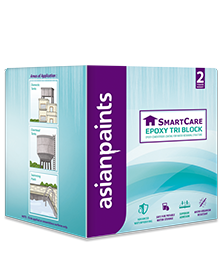
Epoxy Coatings
Epoxy coatings create a smooth, durable protective layer inside concrete water tanks. They help reduce water absorption and improve the lifespan of the tank.
These coatings are often used where a clean and easy-to-maintain surface is required.
Cementitious Waterproofing
Cementitious waterproofing is one of the most widely used methods for water tank waterproofing. It bonds well with concrete and helps prevent leakage through walls and floors.
Recommended Asian Paints Products:
Polyurea Coatings
Polyurea coatings form a flexible waterproof layer that cures quickly and offers excellent durability. They are suitable for water tanks exposed to demanding conditions and frequent use.
Bituminous Coatings
Bituminous coatings are mainly used on the outer surfaces of underground tanks where protection from groundwater is required.
These coatings create a moisture-resistant barrier that helps preserve the structure.
Fibreglass Lining
Fibreglass lining provides an additional waterproof layer inside water tanks. It is commonly used when repairing older tanks or improving the durability of existing structures.
Step-by-Step Terrace & Water Tank Waterproofing Process
Professional waterproofing follows a planned process to ensure every vulnerable area is properly protected.
Step 1: Inspection
The terrace or water tank is carefully inspected to identify cracks, damaged areas, leakage points, and drainage issues.
Step 2: Surface Preparation
Dust, dirt, loose concrete, old coatings, and other contaminants are removed to create a clean surface for better product adhesion.
Step 3: Crack Repair
Visible cracks and joints are repaired using suitable products such as SmartCare Crack Seal or SmartCare Crack Fill Paste.
Step 4: Primer Application
Where required, a primer is applied to improve bonding between the surface and the waterproofing system.
Step 5: Waterproofing Application
The selected waterproofing products are applied evenly across the terrace or tank surface. Extra attention is given to corners, joints, drainage outlets, and pipe connections.
Depending on the project, products such as SmartCare Terrace Waterproofing, SmartCare Damp Proof, or SmartCare Hydroloc Xtreme may be used.
Step 6: Curing
The waterproofing layer is allowed to dry and cure according to the product instructions to achieve maximum performance.
Step 7: Water Testing
For terraces, water is retained on the surface to check for leaks. For tanks, water is filled after curing to confirm the waterproofing system is working effectively.
Step 8: Final Inspection
A final quality check ensures complete coverage before the terrace or water tank is put back into regular use.
Terrace & Water Tank Waterproofing Cost
The cost of terrace waterproofing and water tank waterproofing depends on the size of the area, the condition of the surface, and the waterproofing products selected.
A terrace with minor cracks may require only surface preparation and waterproof coating, while an older terrace with significant damage may need extensive repairs before waterproofing.
Similarly, the cost of waterproofing a water tank depends on factors such as the size of the tank, existing leakage, repair requirements, and whether the waterproofing is applied internally or externally.
A professional inspection helps determine the most suitable solution and provides an accurate estimate based on the project's requirements.
Factors Affecting Terrace & Water Tank Waterproofing Cost
Several factors influence the overall cost of waterproofing:
Total area to be waterproofed.
Existing cracks and structural damage.
Surface preparation requirements.
Type of waterproofing products selected.
Number of waterproofing coats required.
Accessibility of the terrace or tank.
Labour and application complexity.
Waterproofing method used.
Drainage improvements, if required.
Warranty provided with the waterproofing system.
Choosing high-quality waterproofing products may involve a higher initial investment but can significantly reduce future repair and maintenance costs.
Benefits of Terrace & Water Tank Waterproofing
Proper waterproofing for terrace and water tanks offers long-term protection for your home and helps prevent costly structural repairs.
Some of the key benefits include:
Prevents rainwater from entering the building.
Reduces roof leakage and ceiling damage.
Protects concrete from moisture.
Extends the life of terraces and water tanks.
Helps maintain clean water storage.
Reduces maintenance and repair costs.
Protects paint finishes from peeling.
Improves resistance to changing weather conditions.
Helps prevent cracks caused by continuous moisture.
Increases the overall durability and value of the property.
With premium waterproofing products and proper application, you can enjoy reliable protection against water damage throughout the year.
Tips to Maintain a Waterproof Terrace & Water Tank
Waterproofing is a long-term investment, but regular maintenance helps keep it effective for years. A few simple checks can prevent small issues from becoming major repairs.
Follow these tips to maintain your terrace waterproofing and water tank waterproofing:
Clean the terrace regularly to remove dirt, leaves, and debris that may block water drainage.
Keep rainwater outlets and drain pipes free from blockage.
Avoid allowing water to collect on the terrace for long periods.
Inspect the terrace after heavy rainfall for signs of leakage or cracks.
Repair small cracks as soon as they appear to prevent water from entering the concrete.
Avoid dragging heavy objects across the terrace, as they may damage the waterproofing layer.
Check water tanks regularly for cracks, leakage, or damaged joints.
Inspect pipe connections and inlet or outlet points for signs of moisture.
Clean water tanks periodically to maintain hygiene and water quality.
Schedule a professional inspection every few years to ensure the waterproofing system remains in good condition.
Routine maintenance can significantly extend the life of waterproofing products and reduce the need for major repairs.
Common Mistakes to Avoid During Terrace Waterproofing
Even the best waterproofing products may not perform well if they are applied incorrectly. Avoiding these common mistakes helps ensure long-lasting protection.
Ignoring Small Cracks
Hairline cracks may seem harmless, but they often allow water to enter the concrete over time. Repairing cracks before waterproofing improves the overall performance of the system.
Poor Surface Preparation
Applying waterproofing over dusty, wet, or damaged surfaces reduces product adhesion and may lead to early failure.
Choosing the Wrong Waterproofing Product
Different terraces require different waterproofing systems. Selecting products based only on cost instead of the surface condition and weather exposure can reduce durability.
Skipping Drainage Improvements
Even the best waterproofing for roof cannot perform effectively if rainwater remains on the terrace due to poor drainage. Proper slope and clean drainage outlets are equally important.
Applying Too Few Coats
Using fewer coats than recommended can reduce the effectiveness of the waterproofing system and leave areas vulnerable to leakage.
Not Allowing Proper Curing Time
Walking on the waterproofed surface or exposing it to water before it has fully cured can affect the performance of the waterproofing layer.
Delaying Repairs
Ignoring early signs of leakage, peeling paint, or damp ceilings often results in larger and more expensive repairs later.
Professional application and high-quality waterproofing products help avoid these issues and improve the lifespan of the terrace.
How Can Asian Paints Help You Waterproof Your Terrace & Tanks?
Protecting your terrace and water tank requires more than simply applying a coating. It begins with identifying the source of leakage and selecting the right waterproofing solution based on the condition of the surface. Asian Paints offers complete waterproofing solutions that combine expert inspection, advanced waterproofing products, and professional application to help protect your home from water damage.
Whether you are looking for roof waterproofing, waterproofing for terrace, or water tank waterproofing, Asian Paints provides solutions for both new construction and repair projects. The range includes products that help seal cracks, protect exposed concrete, and create a durable barrier against rainwater and moisture.
Some of the recommended Asian Paints waterproofing products include:
SmartCare Terrace Waterproofing – Designed to protect terraces from rainwater and reduce the risk of leakage.
SmartCare Damp Proof – A waterproof coating that helps safeguard exterior walls and terrace surfaces against moisture.
SmartCare Damp Proof Ultra – Offers enhanced protection against water seepage and helps improve the durability of concrete surfaces.
SmartCare Hydroloc Xtreme – Suitable for areas that require high-performance waterproofing and long-lasting moisture protection.
SmartCare Crack Seal – Helps seal hairline cracks before waterproofing.
SmartCare Crack Fill Paste – Ideal for repairing surface cracks and preparing the substrate.
SmartCare Cem Boost – Improves the strength and waterproofing performance of cement-based applications.
SmartCare Roof Tapes – Helps seal joints, gaps, and vulnerable areas on terraces and roofs.
In addition to premium products, Asian Paints offers professional waterproofing services. Trained experts inspect the site, identify the root cause of leakage, recommend suitable products, and ensure proper application for reliable, long-lasting results.
By combining quality products with expert workmanship, Asian Paints helps homeowners protect their terraces and water tanks while reducing future maintenance costs.