What is Bathroom Waterproofing?
Bathroom waterproofing is the process of creating a protective barrier that prevents water from penetrating floors, walls, ceilings, joints, and other structural surfaces within a bathroom. Since bathrooms are exposed to water every day, effective waterproofing for bathroom areas is essential to prevent water seepage, leakage, and long-term structural damage.
Waterproofing is typically carried out before tiles and sanitary fixtures are installed. Specialised waterproofing membranes and coatings are applied to vulnerable surfaces to stop moisture from reaching the underlying concrete or masonry. This protective layer helps prevent hidden leaks that can spread to adjacent rooms, damage ceilings below, and weaken the building over time.
A properly waterproofed bathroom not only protects your home from moisture-related issues but also improves the lifespan of tiles, grout, paint finishes, and structural components. Whether you are constructing a new bathroom or renovating an existing one, investing in high-quality bathroom waterproofing products is an important step towards maintaining a safe, hygienic, and leak-free space.
Importance of Bathroom Waterproofing for a Leak-Free Home
Bathrooms are among the wettest areas of any home. Frequent exposure to running water, steam, and humidity increases the risk of moisture penetrating walls, floors, and ceilings. Without proper bathroom waterproofing, even minor leaks can gradually develop into serious structural problems.
Here are some of the key reasons why waterproofing is essential:
Prevents Water Seepage
Proper waterproofing creates a durable moisture barrier that prevents water seepage into walls, floors, and neighbouring rooms. This helps avoid costly structural repairs in the future.
Protects Structural Integrity
Continuous exposure to moisture can weaken concrete, damage masonry, and corrode reinforcement steel. Waterproofing helps preserve the strength and durability of your bathroom structure.
Reduces Dampness
Persistent dampness encourages mould, mildew, and bacterial growth, affecting both the appearance of your bathroom and indoor air quality. Waterproofing helps keep surfaces dry and hygienic.
Extends the Life of Tiles and Finishes
Water entering beneath tiles can loosen adhesive, crack grout, and damage floor finishes. Waterproofing beneath tiled surfaces improves their longevity and reduces maintenance.
Protects Adjacent Rooms
Bathroom leaks often spread to nearby bedrooms, living spaces, or lower floors. Effective waterproofing minimises the risk of hidden moisture damaging surrounding areas.
Supports Long-Lasting Paint Performance
Applying suitable waterproofing beneath decorative finishes helps improve the durability of waterproof paint for wall surfaces by preventing moisture from reaching the paint film.
Bathroom waterproofing is a preventive investment that protects your home while reducing long-term maintenance expenses.
How Does Bathroom Waterproofing Work?
Bathroom waterproofing works by creating an impermeable layer that blocks water from penetrating structural surfaces. Rather than allowing moisture to enter concrete or masonry, waterproofing systems direct water safely towards floor drains while protecting the underlying structure.
The process generally includes the following stages:
Thorough cleaning of the surface.
Repairing cracks, joints, and damaged areas.
Applying primers where required.
Installing waterproofing membranes or coatings over floors and waterproofing walls.
Reinforcing corners, pipe penetrations, and expansion joints.
Allowing adequate curing time.
Conducting water ponding tests before tile installation.
Once completed, the waterproofing layer remains hidden beneath tiles and finishes while continuously protecting the bathroom against leakage and moisture intrusion.
Common Causes of Bathroom Water Leakage and Their Solutions
Bathroom leaks can develop from several sources, many of which remain hidden until noticeable damage appears. Identifying the root cause helps determine the most suitable waterproofing solution.
Cause
|
Solution
|
Cracked floor tiles
|
Replace damaged tiles and repair the waterproofing layer if required.
|
Failed grout joints
|
Remove deteriorated grout and reseal joints with suitable materials.
|
Damaged waterproof membrane
|
Install a new waterproofing system after removing affected finishes.
|
Leaking plumbing
|
Repair or replace defective pipes and fittings before waterproofing.
|
Poor floor slope
|
Re-level the floor to ensure proper drainage towards floor traps.
|
Cracks in walls
|
Repair structural cracks before applying waterproofing products.
|
Improper sealing around fixtures
|
Reseal pipe penetrations and sanitary fittings using flexible sealants.
|
Ageing construction
|
Upgrade older waterproofing systems with modern waterproofing solutions.
|
Addressing these issues promptly helps prevent recurring water seepage, reduces dampness, and protects your home's structural integrity.
Signs Your Bathroom Needs Waterproofing
Bathroom moisture problems often begin subtly before becoming major repair issues. Recognising these warning signs early can help prevent expensive structural damage.
Look out for the following symptoms:
Damp or discoloured walls.
Peeling or blistering paint.
Persistent dampness despite regular cleaning.
Loose or hollow-sounding tiles.
Cracked grout joints.
Water stains on ceilings below the bathroom.
Musty odours caused by trapped moisture.
Mould or mildew growth around corners.
White salt deposits (efflorescence) on walls.
Visible water seepage around plumbing fixtures.
Soft or damaged wall finishes.
If you notice one or more of these signs, professional bathroom waterproofing should be considered before the problem worsens.
Areas in Your Bathroom That Require Waterproofing
Although the entire bathroom benefits from moisture protection, certain areas require special attention because they are exposed to frequent or continuous contact with water.
Bathroom Floor Waterproofing
The bathroom floor experiences constant water exposure from showers, sinks, and cleaning activities. Waterproofing beneath the floor tiles prevents moisture from penetrating the concrete slab and leaking into lower floors.
Proper floor waterproofing also protects grout joints, reduces tile movement, and helps maintain the structural integrity of the bathroom.
Bathroom Tile Waterproofing
Tiles themselves are generally water-resistant, but grout joints and gaps between tiles can allow moisture to pass through over time.
Bathroom tile waterproofing involves applying waterproof membranes beneath the tiled surface while ensuring joints are properly sealed. This reduces the risk of hidden water seepage and extends the life of tiled finishes.
Bathroom Walls Waterproofing
Bathroom walls are continuously exposed to splashing water, steam, and humidity. Waterproofing walls helps prevent moisture from entering masonry, reducing the risk of peeling paint, mould growth, and structural deterioration.
In addition to waterproof membranes beneath tiles, high-quality waterproof paint for wall surfaces can provide an additional layer of moisture resistance in suitable dry areas of the bathroom.
Bathroom Ceiling Waterproofing
Ceilings often show the first signs of hidden bathroom leaks, especially in multi-storey homes. Waterproofing protects ceiling surfaces from moisture migrating through the floor above while reducing staining, peeling paint, and mould formation.
Persistent ceiling dampness should always be investigated promptly to identify the source of the leak.
Shower Area Waterproofing
The shower enclosure is the wettest part of the bathroom and requires comprehensive waterproofing. Floors, walls, corners, niches, and plumbing penetrations should all be properly sealed using flexible waterproofing systems.
A well-waterproofed shower area helps prevent water seepage into adjoining rooms while protecting tiles, grout, and structural surfaces from long-term moisture damage.
Best Waterproofing Solutions for Bathrooms
Choosing the right bathroom waterproofing solution depends on the source of moisture, the condition of the bathroom, and whether it is a new construction or a renovation project. High-performance waterproofing products help create a durable barrier against water seepage, ensuring long-term protection for floors, walls, and ceilings.
Asian Paints offers a range of advanced waterproofing products that are designed to protect bathrooms from persistent moisture while improving the durability of tiles, concrete, and masonry.
Cementitious Waterproofing
Cementitious waterproofing is one of the most commonly used solutions for bathrooms due to its excellent adhesion to concrete and masonry surfaces. It is ideal for bathroom floors, walls, and water-retaining areas before tile installation.
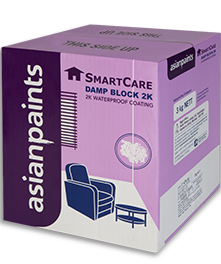
Recommended Asian Paints Products:SmartCare Damp Proof Ultra – Provides excellent resistance against moisture and helps prevent water seepage in wet areas.
SmartCare Cem Boost – Improves the strength and waterproofing performance of cement-based applications.
Flexible Waterproofing Membranes
Flexible waterproofing membranes create a seamless protective layer that accommodates minor structural movement without cracking. They are ideal for shower areas, balconies attached to bathrooms, and wet zones.
Recommended Asian Paints ProductsSmartCare Bathroom Waterproofing Kit – A complete waterproofing system designed specifically for bathroom applications, helping protect against leakage beneath tiles.
SmartCare Hydroloc Xtreme – Suitable for areas exposed to continuous moisture and demanding waterproofing conditions.
Waterproof Coatings for Bathroom Walls
Areas that are not directly tiled can benefit from specially formulated waterproof coatings that resist moisture and improve the durability of paint finishes.
Recommended Asian Paints Products:SmartCare Damp Proof – Helps reduce moisture ingress on interior walls.
Royale Health Shield – Provides a durable finish with added protection against stains and microbial growth for suitable bathroom wall surfaces.
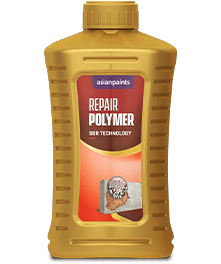
Crack Repair Solutions
Cracks are one of the leading causes of bathroom leakage. Repairing them before waterproofing ensures the waterproofing layer performs effectively.
Recommended Asian Paints Products:
These products help seal hairline cracks and prepare surfaces for waterproofing.
Waterproof Paint for Wall
While waterproof paint for wall applications can improve moisture resistance and finish quality, it should not be considered a substitute for a complete bathroom waterproofing system. Waterproof paint performs best when applied over properly waterproofed surfaces.
Step-by-Step Bathroom Waterproofing Process
Professional waterproofing for bathroom projects follow a systematic process to ensure complete protection against moisture intrusion.
Step 1: Site Inspection
The bathroom is thoroughly inspected to identify existing water seepage, plumbing issues, damaged grout, structural cracks, and other moisture-related concerns.
Step 2: Surface Preparation
Old coatings, dust, grease, loose particles, and damaged materials are removed. The surface is cleaned to improve adhesion of waterproofing products.
Step 3: Crack and Joint Repair
Visible cracks, construction joints, and pipe penetrations are repaired using specialised crack repair products before waterproofing begins.
Step 4: Primer Application
Where required, a compatible primer is applied to improve bonding between the substrate and waterproofing membrane.
Step 5: Waterproofing Application
Selected waterproofing products are applied to bathroom floors, waterproofing walls, corners, and shower areas. Additional reinforcement is provided around floor drains, pipe penetrations, and wall-floor junctions.
Step 6: Curing
The waterproofing system is allowed to cure according to product specifications to achieve maximum strength and durability.
Step 7: Water Ponding Test
Before tile installation, the bathroom floor is filled with water for a specified period to verify that there are no leaks.
Step 8: Tile Installation
Once the waterproofing system passes inspection, tiles are installed using suitable adhesives and grout for a long-lasting finish.
Following this process helps ensure that bathroom waterproofing performs reliably for years.
Bathroom Waterproofing Cost
The cost of bathroom waterproofing depends on the size of the bathroom, the condition of the substrate, the extent of repairs required, and the waterproofing products selected. While prices vary from project to project, investing in quality waterproofing significantly reduces future repair and maintenance expenses.
Rather than focusing only on the initial cost, homeowners should consider the long-term value provided by durable waterproofing systems, professional workmanship, and premium products.
A professional site assessment helps determine the most suitable waterproofing solution and provides an accurate project estimate based on your bathroom's requirements.
Factors Affecting Bathroom Waterproofing Cost
Several factors influence the overall cost of bathroom waterproofing:
Bathroom size and layout.
Existing water seepage or leakage.
Extent of crack repair required.
Removal of old tiles or finishes.
Type of waterproofing products selected.
Surface preparation requirements.
Number of waterproofing coats required.
Complexity of plumbing penetrations.
Labour and installation expertise.
Warranty offered with the waterproofing system.
Using premium waterproofing products may involve a higher initial investment, but they often deliver superior durability and lower maintenance costs over time.
Benefits of Bathroom Waterproofing
Professional bathroom waterproofing provides long-term protection that goes beyond simply preventing leaks.
Some of the major benefits include:
Prevents water seepage into walls and floors.
Reduces dampness and mould growth.
Protects concrete from moisture damage.
Extends the lifespan of bathroom tiles and grout.
Helps preserve adjacent rooms from leakage.
Improves the durability of waterproof paint for wall applications.
Reduces long-term maintenance expenses.
Maintains healthier indoor air quality.
Increases the overall value of the property.
Provides peace of mind through long-lasting moisture protection.
With the right waterproofing products and professional installation, homeowners can enjoy a cleaner, safer, and leak-free bathroom for years.
Why Choose Asian Paints for Bathroom Waterproofing Services?
Bathroom waterproofing requires more than just applying a protective layer—it begins with identifying the source of moisture and selecting the right solution for long-term performance. Asian Paints offers end-to-end bathroom waterproofing services that combine expert diagnosis, premium waterproofing products, and professional application to help keep your bathroom leak-free.
Whether you are building a new bathroom or renovating an existing one, Asian Paints provides customised waterproofing for bathroom solutions that address common concerns such as water seepage, persistent dampness, leaking shower areas, and cracked bathroom walls. Every project begins with a detailed site assessment, allowing trained professionals to recommend the most suitable products and application methods based on the condition of the bathroom.
Using advanced waterproofing technologies and quality-tested products, Asian Paints helps protect bathroom floors, walls, ceilings, and wet areas from moisture-related damage while improving the durability of tiles and finishes. From initial inspection to project completion, homeowners can rely on expert guidance and quality workmanship for long-lasting results.
Benefits of Choosing Asian Paints Waterproofing Solutions
Asian Paints has developed a wide range of innovative waterproofing products designed to provide reliable protection against moisture in residential spaces. These solutions are engineered to deliver superior adhesion, flexibility, and durability across different bathroom surfaces.
Some of the key benefits include:
Comprehensive Product Portfolio
Asian Paints offers waterproofing products for various bathroom applications, including floors, waterproofing walls, shower areas, ceilings, and repair works.
Recommended Products:SmartCare Bathroom Waterproofing Kit – A complete waterproofing solution for bathrooms before tile installation.
SmartCare Damp Proof Ultra – Helps protect interior walls against moisture and dampness.
SmartCare Hydroloc Xtreme – Designed for demanding waterproofing applications where long-lasting moisture resistance is required.
SmartCare Crack Seal – Suitable for sealing hairline cracks before waterproofing.
SmartCare Cem Boost – Enhances cement strength, adhesion, and waterproofing performance.
SmartCare Cem Boost – Enhances cement strength, adhesion, and waterproofing performance.
Long-Lasting Protection
High-performance waterproofing products help minimise recurring water seepage, reduce maintenance requirements, and extend the lifespan of bathroom surfaces.
Expert Technical Support
Asian Paints professionals assess the condition of the bathroom, identify the source of leakage, and recommend the most effective waterproofing solution.
Improved Durability
Proper waterproofing protects tiles, grout, plaster, and painted surfaces while reducing the risk of moisture-related deterioration.
Compatible Decorative Finishes
After waterproofing is completed, homeowners can choose premium Asian Paints finishes, including suitable waterproof paint for wall applications in low-moisture bathroom areas, to achieve both protection and aesthetics.
Why Waterproofing Should Be Done Before Bathroom Tiling
One of the most common misconceptions is that ceramic or vitrified tiles alone can stop water from entering the structure. In reality, tiles are only a decorative surface. Moisture can still penetrate through grout joints, corners, movement joints, and small gaps around plumbing fixtures.
This is why bathroom waterproofing should always be completed before tile installation.
Benefits of waterproofing before tiling include:
Prevents hidden water seepage beneath tiles.
Protects the concrete slab and masonry from moisture.
Improves tile adhesion by providing a stable substrate.
Reduces the risk of loose or hollow tiles.
Prevents leakage into adjoining rooms and lower floors.
Helps minimise mould growth caused by trapped moisture.
Increases the lifespan of bathroom flooring and wall finishes.
Installing waterproofing products before tiling ensures that moisture never reaches the structural elements of the bathroom, providing a far more reliable solution than attempting repairs after leakage has already occurred.
Common Mistakes to Avoid During Bathroom Waterproofing
Even premium waterproofing products may not perform as intended if they are applied incorrectly. Avoiding these common mistakes helps ensure durable and effective moisture protection.
Ignoring Surface Preparation
Applying waterproofing over dirty, dusty, or damaged surfaces reduces adhesion and may cause premature failure.
Not Repairing Cracks
Cracks should always be repaired before waterproofing. Leaving them untreated can allow water seepage to continue beneath the waterproofing layer.
Waterproofing After Tiling
Attempting to waterproof over existing tiles without addressing the underlying issue often provides only temporary relief. In many cases, waterproofing should be installed beneath the tiles.
Using the Wrong Product
Different bathroom areas require different waterproofing systems. Selecting products that are unsuitable for wet zones can compromise long-term performance.
Skipping Corners and Pipe Penetrations
Corners, floor drains, and plumbing penetrations are among the most vulnerable areas for leakage. These locations should receive additional reinforcement during waterproofing.
Insufficient Curing Time
Applying tiles before the waterproofing system has fully cured can affect bonding and reduce overall performance.
Poor Drainage Design
Improper floor slopes may allow water to collect in certain areas, increasing the likelihood of leakage over time.
Professional installation and high-quality waterproofing products significantly reduce these risks and improve the overall durability of the waterproofing system.
Tips to Maintain a Waterproof Bathroom for Long-Lasting Protection
Once your bathroom has been professionally waterproofed, regular maintenance helps preserve its performance and prevents future moisture-related issues.
Here are some practical maintenance tips:
Inspect grout joints periodically and repair damaged sections promptly.
Keep floor drains clean to ensure proper water drainage.
Repair leaking taps, shower mixers, and plumbing fittings as soon as possible.
Check silicone sealants around wash basins, bathtubs, and shower enclosures for signs of wear.
Ensure adequate ventilation to minimise dampness caused by excessive humidity.
Clean bathroom surfaces regularly to prevent mould and mildew buildup.
Avoid using harsh chemicals that may damage grout or sealants.
Inspect ceilings and adjacent walls for early signs of water seepage.
Repair small cracks before they develop into larger structural issues.
Schedule professional inspections if you notice recurring moisture problems or unexplained damp patches.
With proper care and routine maintenance, high-quality bathroom waterproofing systems and premium waterproofing products can continue protecting your home for many years.