Exterior Wall Paint Colour Combination
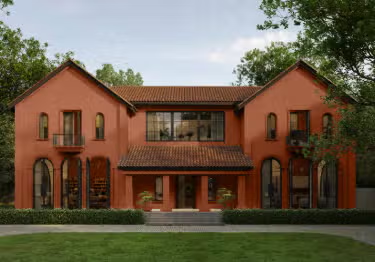
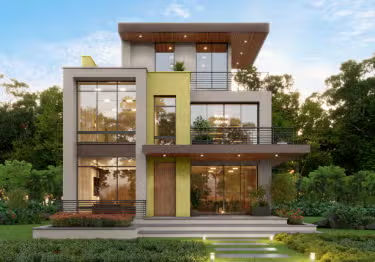
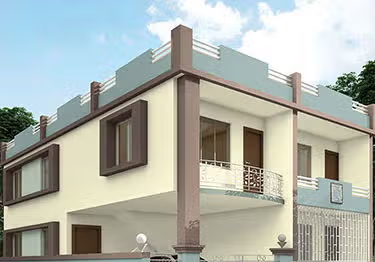
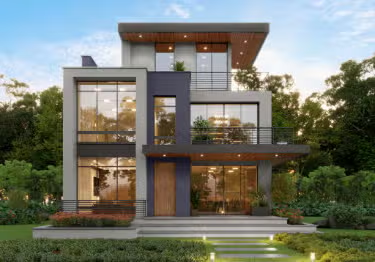

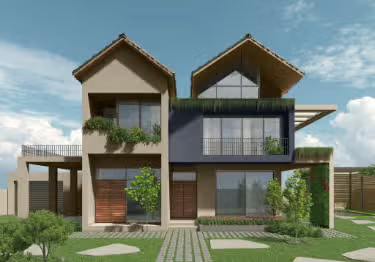
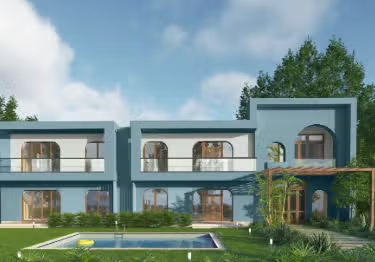
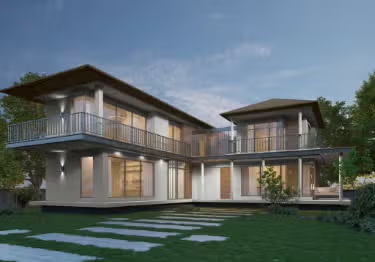
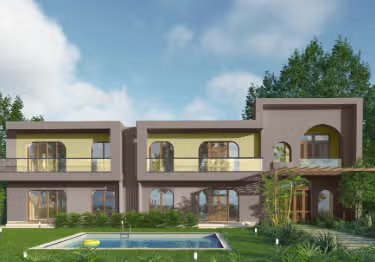

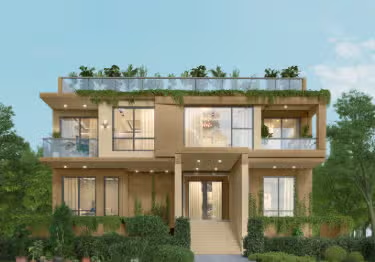
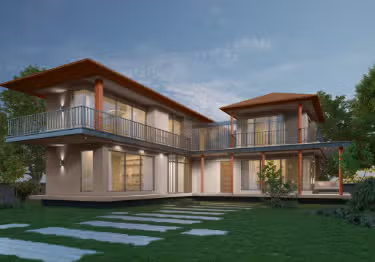
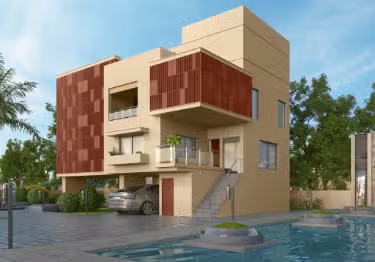
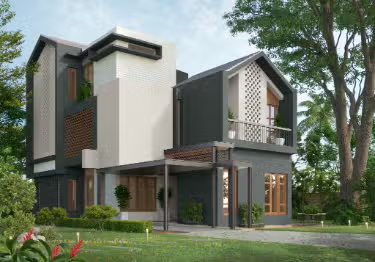

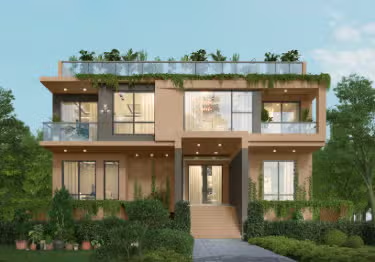
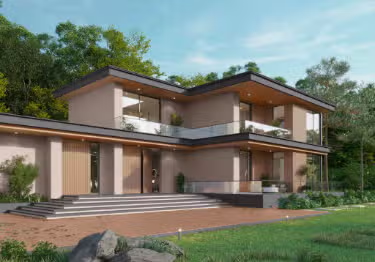
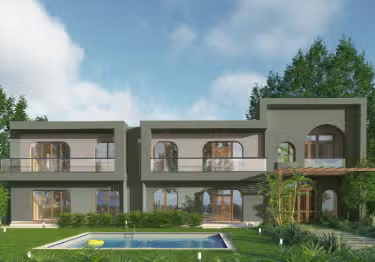
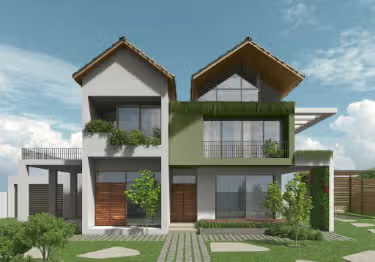
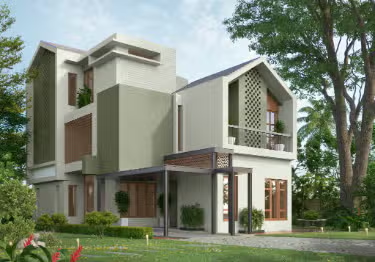
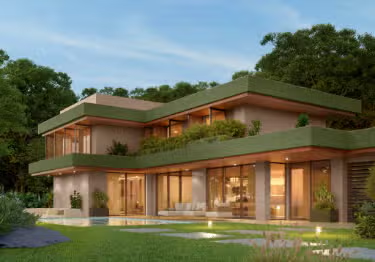
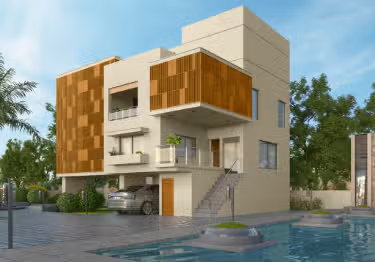
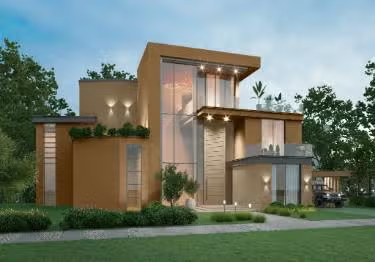
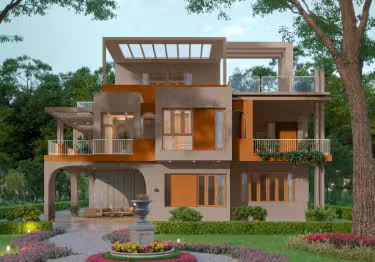
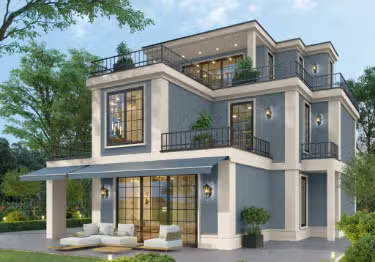
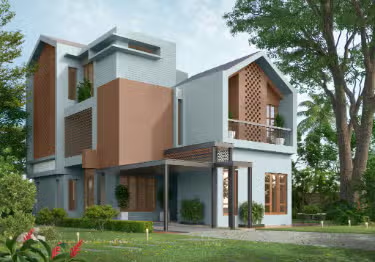
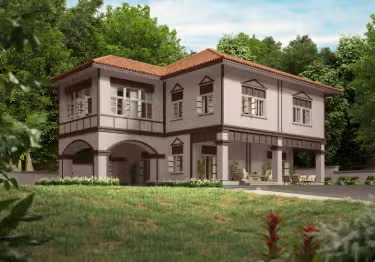


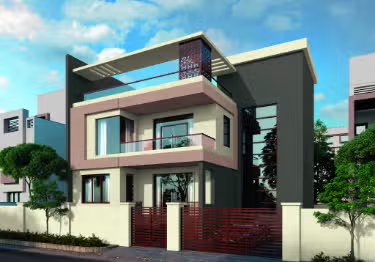
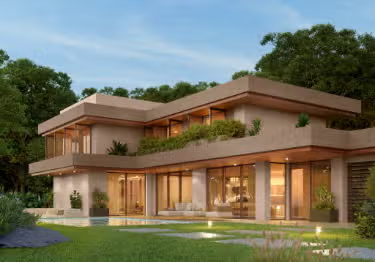
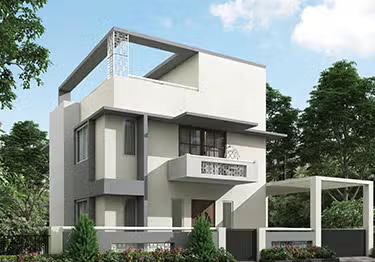

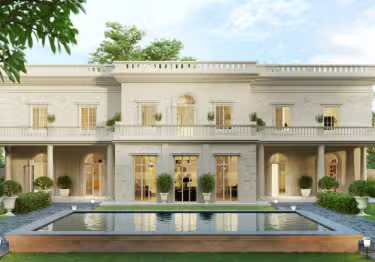


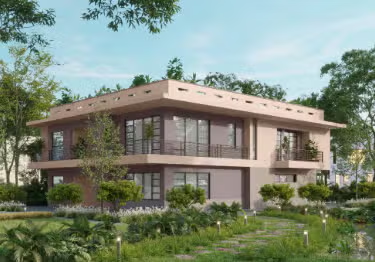
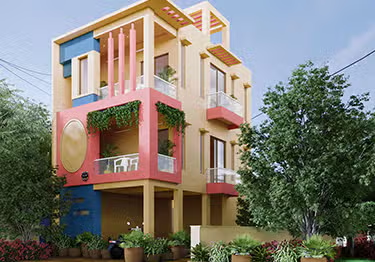
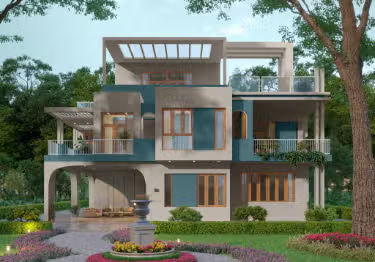
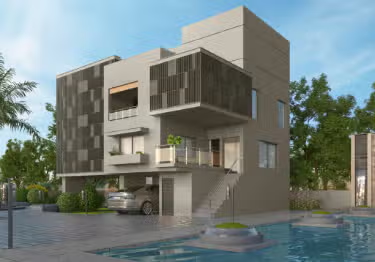


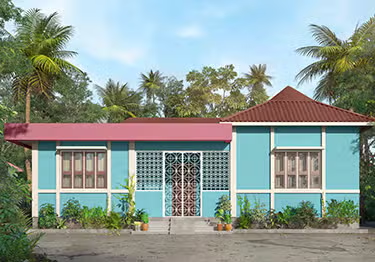
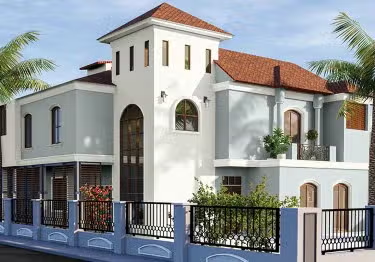
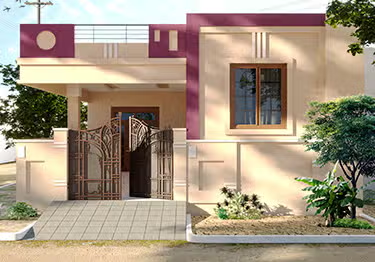
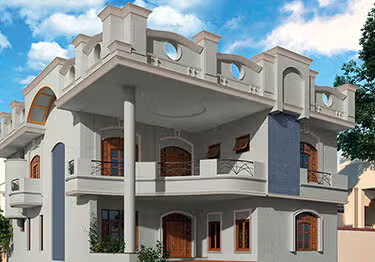
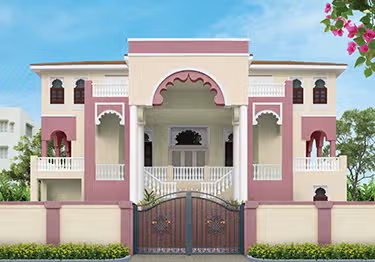
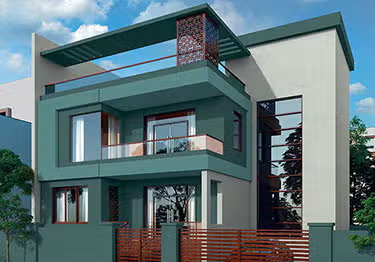
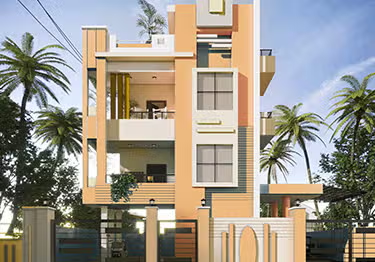
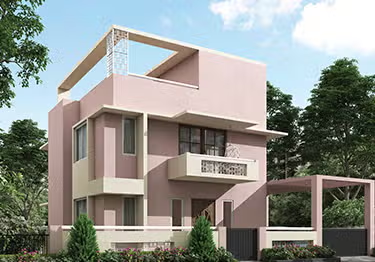
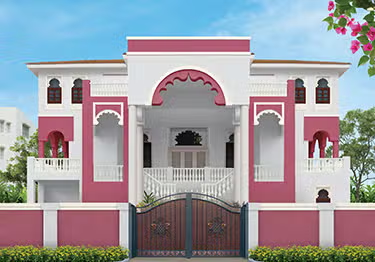
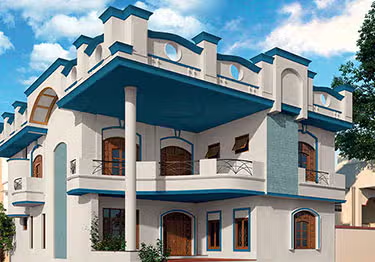
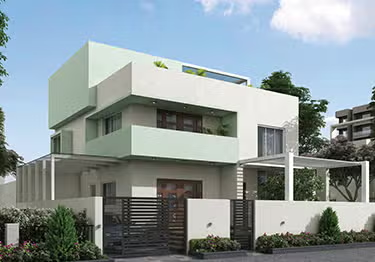
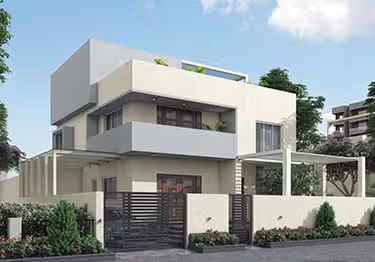
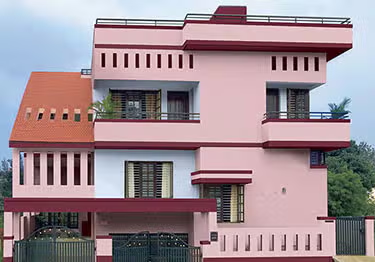
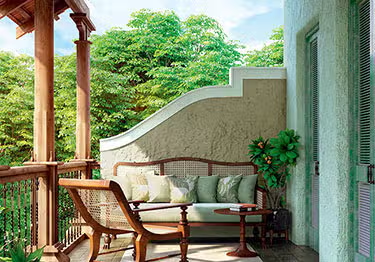

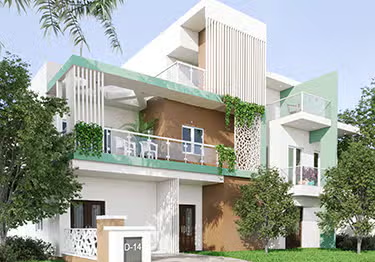
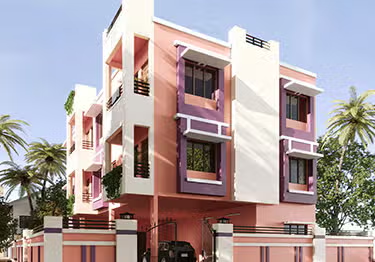

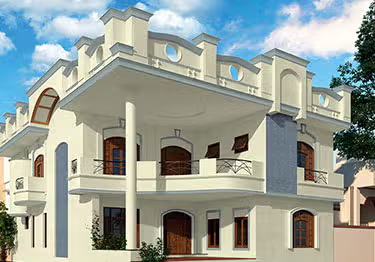
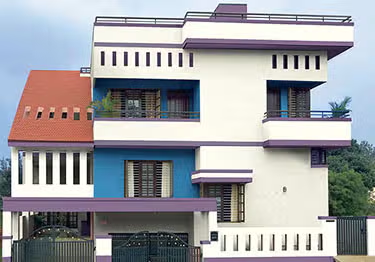
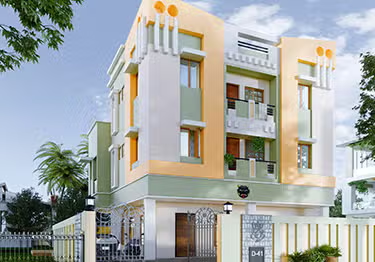
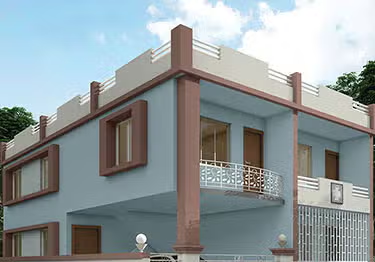
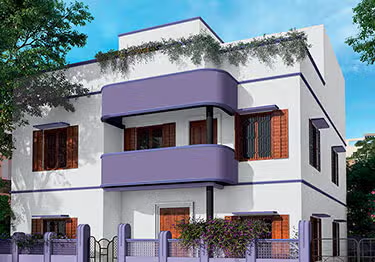
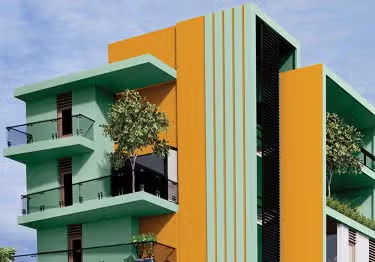
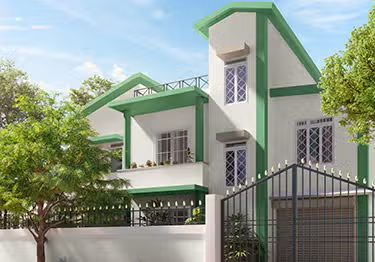
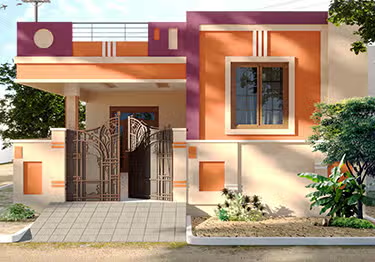
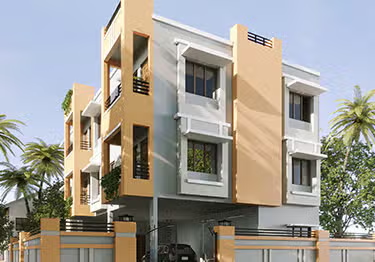
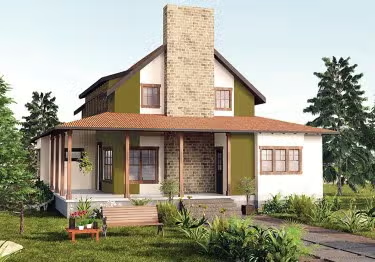

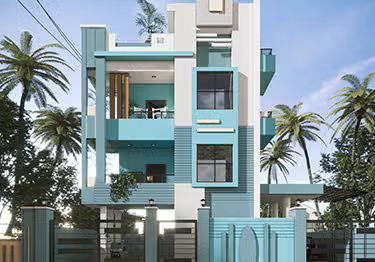
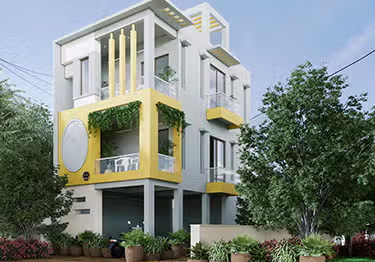
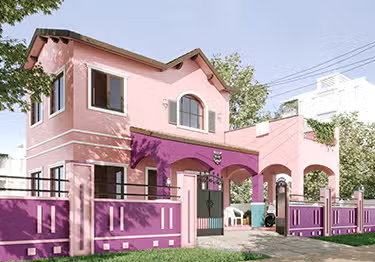
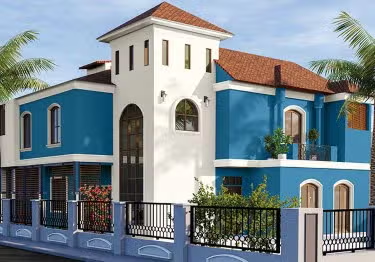
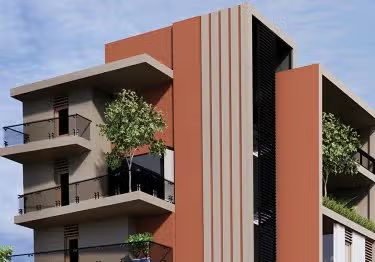
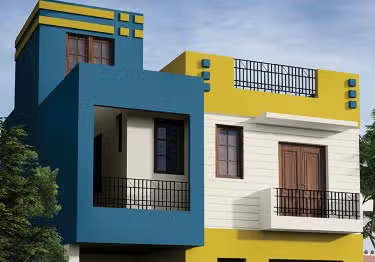

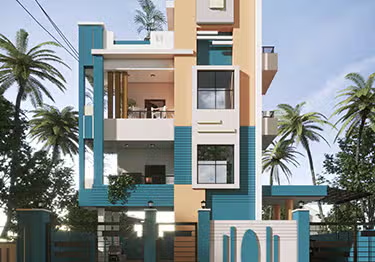
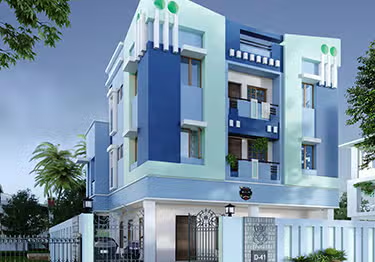
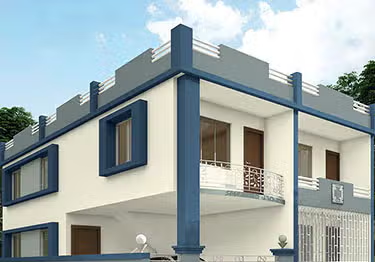

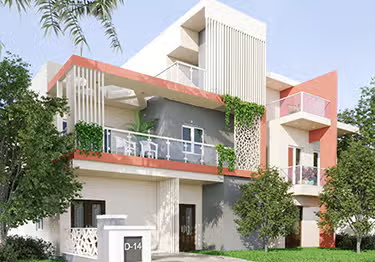
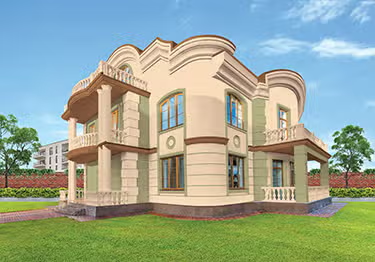
Get inspired


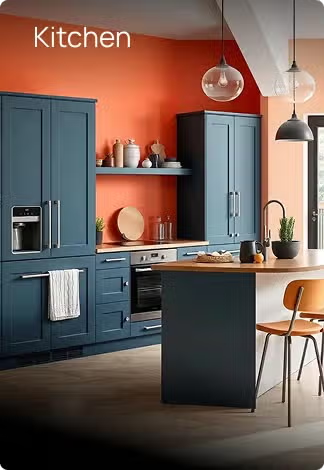
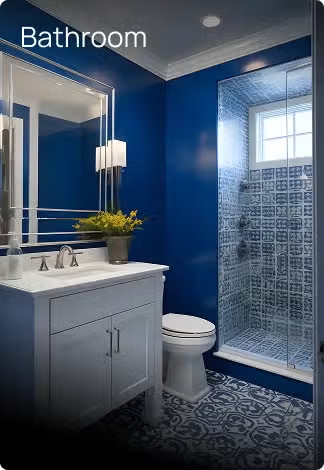
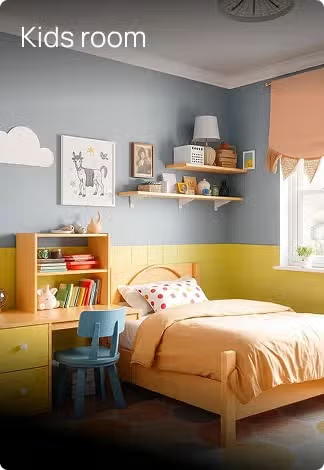



Designer collection






Most popular ideas



Interior Design Calculator
- Immediate
- Within a month
- After 1 month
- Yes
- No

Transform Your Home with the Right Exterior Colour Combination
The exterior of your home is its first handshake with the world. It reflects your personal style while setting the tone for what lies within. Choosing a cohesive exterior wall paint colour combination is more than a maintenance task; it is an opportunity to redefine your home’s character and curb appeal. Whether you prefer the understated elegance of neutrals or the vibrancy of contemporary shades, the right palette can make your property stand out in any neighbourhood.
What Makes Exterior Colour Combinations Important?
The exterior serves as a protective shield and a visual statement. A well-chosen colour combination for exterior walls can highlight unique architectural details, mask structural imperfections, and even influence the perceived temperature of your home. Beyond aesthetics, the right colours can significantly increase the resale value of a property by creating a lasting first impression.
Factors to Consider When Choosing Exterior Wall Colours
Natural Lighting and Sun Exposure
Colours often look two shades lighter outdoors than they do on a small swatch. In India, where the sun can be intense, a bright white might become blinding, while a deep navy might absorb significant heat. Always test your exterior colour combinations at different times of the day to see how they shift from dawn to dusk.
Surrounding Landscape and Environment
Your home does not exist in a vacuum. Consider the greenery, the colour of the soil, and even the neighbouring houses. A home surrounded by lush trees might look stunning in earthy terracotta or sage, while an urban villa might benefit from sleek greys and whites.
Architectural Style of the Home
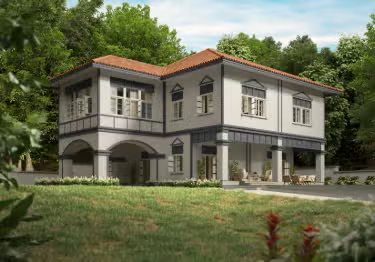
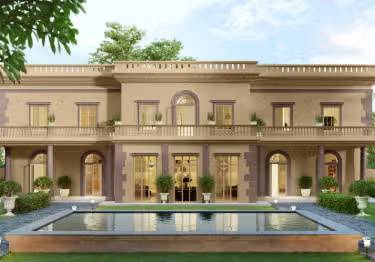
A colonial-style bungalow, a modern minimalist villa, and a traditional Indian haveli all require different colour treatments. The goal is to choose a palette that respects the "bones" of the house while bringing it into the modern era.
How do I choose exterior house painting colour combinations?
Start with the fixed elements that you aren't changing, such as the roof tiles, stone driveway, or wooden gate. Use these as your anchor. A good rule of thumb is to choose a "field" colour for the bulk of the walls, an "accent" colour for smaller areas like gables or recesses, and a "trim" colour for window frames and railings.
Two-Colour and Three-Colour Exterior Wall Combinations
Base Wall and Accent Colour Pairings
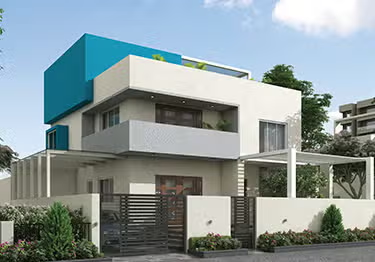
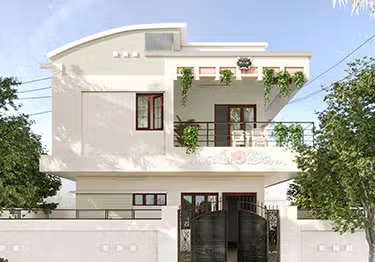
A classic two-tone approach involves using a dominant light shade like cream or beige for the base and a bolder accent like charcoal or deep olive for a single protruding wall or entrance section. This adds depth without looking cluttered.
Trim and Border Colour Combinations
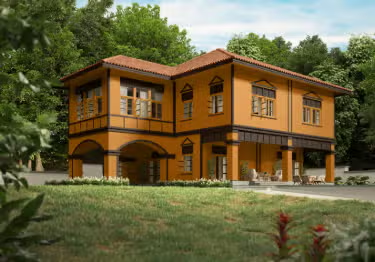
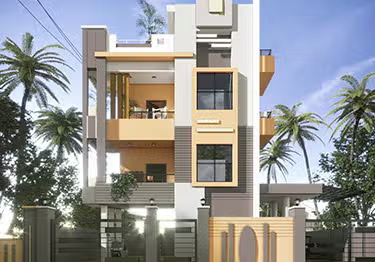
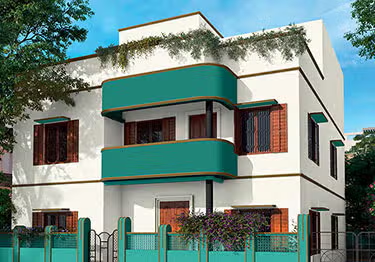
Trims and borders act as the "eyeliner" for your home. Using a crisp white trim against a tan wall defines the shape of the house. Alternatively, dark chocolate borders on a light yellow house provide a grounded, traditional look common in many Indian suburbs.
Monochromatic Exterior Colour Schemes
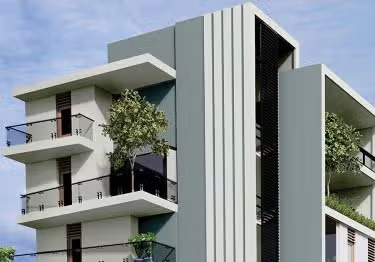
For a sophisticated, modern look, use different shades of the same colour family. For example, a light slate grey for the walls paired with a deep charcoal for the pillars creates a seamless, high-end
Which colour combination is best for exterior walls?
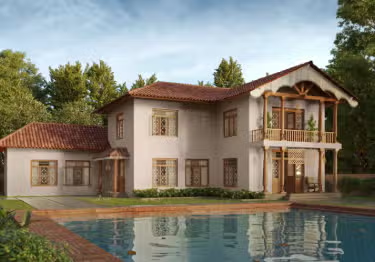
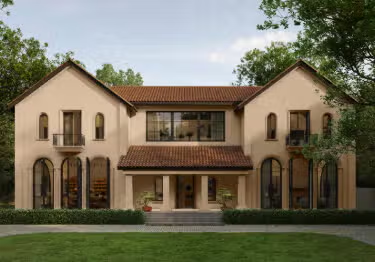
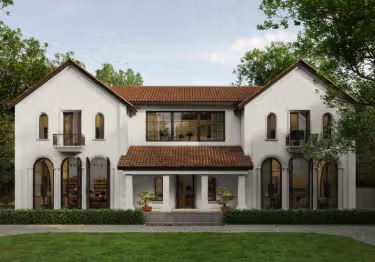
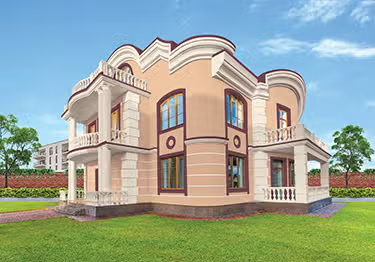
While "best" is subjective, the most enduring exterior colour combination for indian homes typically involves a mix of warm neutrals and earthy accents. Pairings like Ivory and Terracotta or Sandstone and Dark Brown are timeless because they hide dust well and harmonize with the local landscape.
Exterior Colour Combinations by House Size
Colour Ideas for Small Houses
To make a small house look larger, stick to light, reflective colours. Pale greys, soft creams, and light blues help the structure feel more expansive. Avoid too many contrasting trims, which can "break up" the space and make it look smaller.
Exterior Colours for Large Homes and Villas
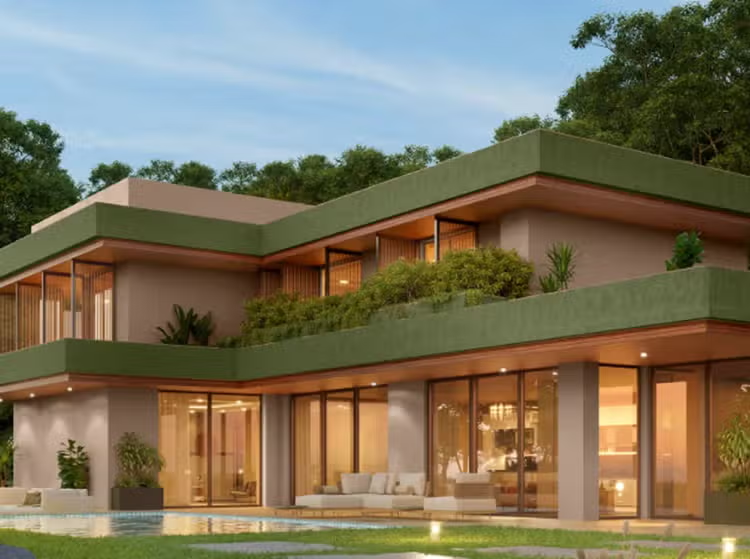
Large villas can handle darker and more complex palettes. Deep teals, forest greens, or even sophisticated taupes can help a massive structure feel more grounded and less imposing.
What are the latest exterior wall paint colour combinations?
Current trends are moving away from stark "builder beige" toward "Greige" (a mix of grey and beige) and "Muted Sage." These colours feel organic and modern, offering a soft alternative to traditional neutrals.
Trending Exterior Paint Colours for Modern Homes
Neutral Exterior Colour Palettes
Shades like Mushroom, Pewter, and Off-White are leading the way. They provide a clean, "scandi-inspired" look that works perfectly with metal and glass architectural elements.
Earthy and Nature-Inspired Colours
Think of the colours of the earth—clay, moss, and stone. These colours are increasingly popular for those wanting a "resort-style" home that feels like a sanctuary.
Bold Contemporary Exterior Colours
For the brave, deep "Midnight Blue" or "Slate Black" accents are making waves. When paired with warm wooden cladding, these bold colours create a striking, high-contrast look.
Exterior Colour Combinations by Home Style
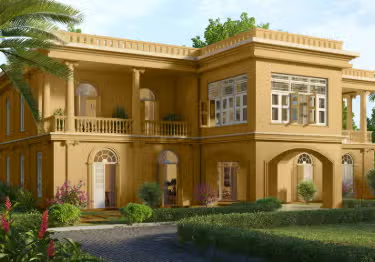
- Traditional Homes: Cream, Ochre, and Brown.
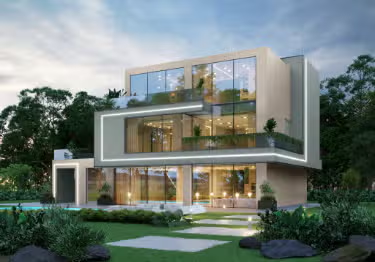
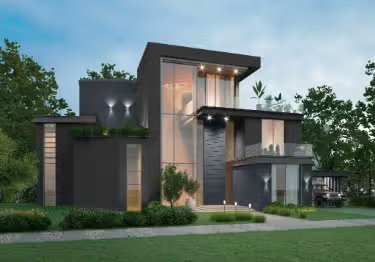
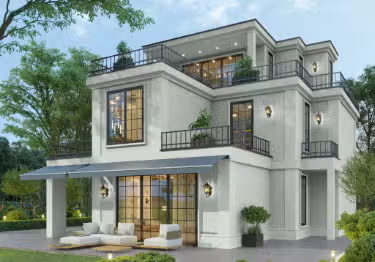
- Modern Villas: White, Charcoal, and Wood finishes.
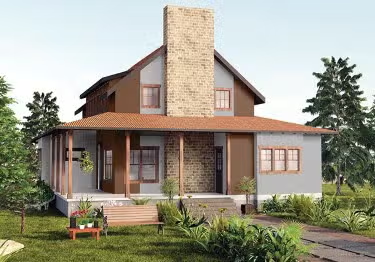
- Farmhouse & Rustic: Sage Green, Off-White, and Stone.
- Urban Apartments: Light Grey, Navy Blue, and Silver.
Matching Exterior Wall Colours with Architectural Elements
Door and Window Frame Colours
Your front door is a great place to add a splash of personality. A vibrant yellow or deep red door against a grey house can look incredibly inviting.
Balcony and Railing Colour Ideas
If your railings are ornate, keep them in classic black or dark bronze. For modern glass balconies, silver or powder-coated white frames keep the look airy.
Boundary Wall and Gate Colour Coordination
Your boundary wall should be a "preview" of the main house. Use the same base colour but perhaps go one shade darker to better handle the splash-back from rain and road dust.
Tips to Select the Perfect Exterior Colour Combination
- Look at the street: You want to stand out, but not clash with the entire neighbourhood.
- Consider the roof: Your wall colour must complement the colour of your shingles or tiles.
- Check in different weather: Some colours look beautiful in the sun but turn "muddy" on a cloudy day.
Popular Exterior Colour Combinations in India
Coastal homes
In places like Goa or Kerala, bright whites, sunny yellows, and sea blues are popular to reflect the heat and match the tropical vibe.
Urban cities
In dusty urban environments like Delhi or Bangalore, mid-tone greys and beiges are preferred as they require less frequent cleaning.
Traditional houses
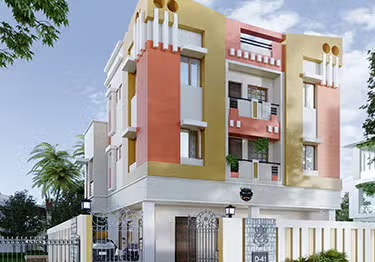
Classic combinations like "Rangoli Red" accents on cream walls remain a favourite for independent bungalows and ancestral homes.
Exterior Colour Ideas Based on Climate and Region
Colours Suitable for Hot and Sunny Climates
Light colours have high Reflectance Value (LRV), meaning they bounce heat away from the house, keeping the interiors cooler.
Colours for Coastal and Humid Areas
Choose paints with high anti-fungal properties. Soft greens and blues hide the salt-spray marks better than stark white.
Dust-Resistant Exterior Colour Choices
If you live near a busy road, "Earth tones" are your best friend. Tans, brownish-greys, and ochre are naturally excellent at camouflaging dust.
Choosing the Right Paint Finish for Exterior Walls
Weather-Resistant Paint Finishes
Exterior paints are formulated to expand and contract with the heat. Ensure you choose a finish that offers "crack-bridging" technology.
Long-Lasting Exterior Coating
Advanced coatings now offer "Self-Cleaning" properties, where dust is simply washed away by the rain. These are an excellent investment for high-rise buildings.
Are there certain colors that help make a small exterior space look larger?
Yes, cool whites and very light "icy" greys reflect the most light, creating the illusion of more space. Painting the trims the same colour as the walls also prevents the eye from stopping, making the wall seem continuous.
How often should I repaint my exterior walls to keep them looking fresh?
Typically, a high-quality exterior paint job in India lasts 5 to 7 years. However, south-facing walls that get the most sun might need a touch-up sooner.
How can Asian Paints help you with your home exterior paint design?
With tools like the "Colour Consultancy" and "Visualizers," you can see how different exterior colour combinations look on a digital 3D model of your home before the first drop of paint is even bought.