

Painting services
Wall textures
Accent Wall Texture Ideas That Add Character Without Overwhelming the Space
An accent wall does not need to be loud to make an impression. Sometimes, a softly textured surface in the right corner can give a room more depth than a bold colour ever could. The trick is knowing where to add texture, how much pattern the room can handle, and which finish works with the rest of the décor.
From subtle sand finishes to concrete-inspired surfaces, the right wall texture design can make a plain wall feel considered without making the room feel busy.
IN THIS ARTICLE
What Is an Accent Wall and Why Does It Matter?
How to Choose the Right Wall for a Textured Accent
Popular Texture Paint Styles for Accent Walls
Accent Wall Texture Ideas for Different Rooms
How to Use Colour with Texture Paint
Common Mistakes to Avoid with Accent Wall Textures
How Lighting Affects Textured Accent Walls
Texture Paint vs Wallpaper for Accent Walls
What Is an Accent Wall and Why Does It Matter?
An accent wall is a single wall designed to stand apart from the others through colour, material, pattern or texture. It gives the eye a natural focal point and can help define different areas within an open-plan home.

How Accent Walls Influence Interior Design
A textured wall adds visual depth and can make furniture, artwork or lighting around it feel more intentional. It can also help anchor a sofa, bed or dining table rather than leaving the room visually flat.
Benefits of Adding Texture to an Accent Wall
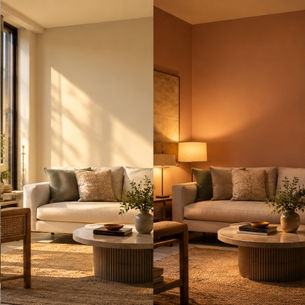
Texture brings dimension to a surface. Even when the colour remains neutral, changes in light and shadow can make the wall interesting throughout the day.
Finding the Right Balance Between Style and Simplicity
Texture works best when it has some breathing room. If the wall already has a strong pattern, keep the surrounding walls, furniture and accessories relatively simple. The accent wall should complement the room, not compete with everything in it.
How to Choose the Right Wall for a Textured Accent

Living Room Feature Walls
The wall behind the main sofa or television unit is often a natural choice. For a spacious hall, a restrained hall wall texture design can create a focal point without taking attention away from the furniture.
Bedroom Headboard Walls
The wall behind the bed is ideal for texture because it naturally acts as the room's visual centre. A soft, low-contrast finish can create a cosy backdrop without making the bedroom feel restless.
Dining Area Accent Walls
A textured wall behind a dining table can add warmth and definition, especially in open-plan layouts where the dining area needs to feel distinct from the living space.
Entryway and Foyer Feature Walls<
A foyer is a good place to experiment with texture on a smaller scale. A refined finish here can make the entrance feel finished without introducing a strong design element throughout the home.
Popular Texture Paint Styles for Accent Walls
If you are looking to transform a plain space, here are some of the most popular and stylish textured accent wall ideas that add warmth, depth, and personality to your room.

Stone-Inspired Texture Finishes
Stone-inspired surfaces bring an organic quality to interiors. They work particularly well with wood, neutral fabrics and natural-looking décor.
Concrete and Industrial Texture Effects
Concrete Texture suits contemporary spaces where clean lines and understated finishes are already part of the design. They can look especially effective when paired with warm lighting.
Sand Texture Finishes
A sand finish has a softer, more understated character. It is a useful choice when you want wall texture paint to add depth without creating a highly defined pattern.
Stucco Texture Designs
Stucco wall texture finishes have an earthy, handcrafted appearance. Depending on the colour and application, they can work in both contemporary and more traditional interiors.
Metallic Texture Effects
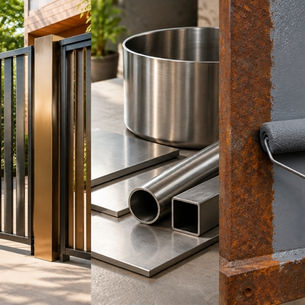
Metallic finishes catch and reflect light, so they are best used selectively. A muted metallic effect can add sophistication, while an overly reflective finish may dominate a small room.
Brush and Trowel Texture Patterns
These finishes have a more visibly crafted appearance. Their appeal comes from variation in the surface rather than a perfectly uniform pattern, making each wall feel distinctive.
Accent Wall Texture Ideas for Different Rooms

Elegant Texture Ideas for Living Rooms
For a living room texture, consider a neutral texture with a subtle pattern behind the sofa or media console. This creates interest while allowing furniture and artwork to remain the focus.
Subtle Textures for Bedrooms
Bedroom Textures generally benefit from quieter finishes. Fine sand textures, soft stucco effects and tone-on-tone patterns can add character without disturbing the relaxed mood.
Statement Texture Walls for Dining Spaces
The dining area can accommodate a little more drama. A deeper earthy shade or a stone-inspired texture can give the space a richer backdrop.
Creative Accent Walls for Home Offices
A restrained concrete or brush texture can give a home office personality while keeping the background visually calm for focused work or video calls.
How to Use Colour with Texture Paint

Neutral Shades for Timeless Appeal
Beige, off-white, greige and soft grey allow the texture itself to take centre stage. These shades are particularly versatile if you expect to change furniture or décor later.
Earthy Colours for Warm Interiors
Terracotta, muted brown, olive and other earthy tones can make textured surfaces feel warmer and more connected to natural materials.
Bold Colours Without Creating Visual Clutter
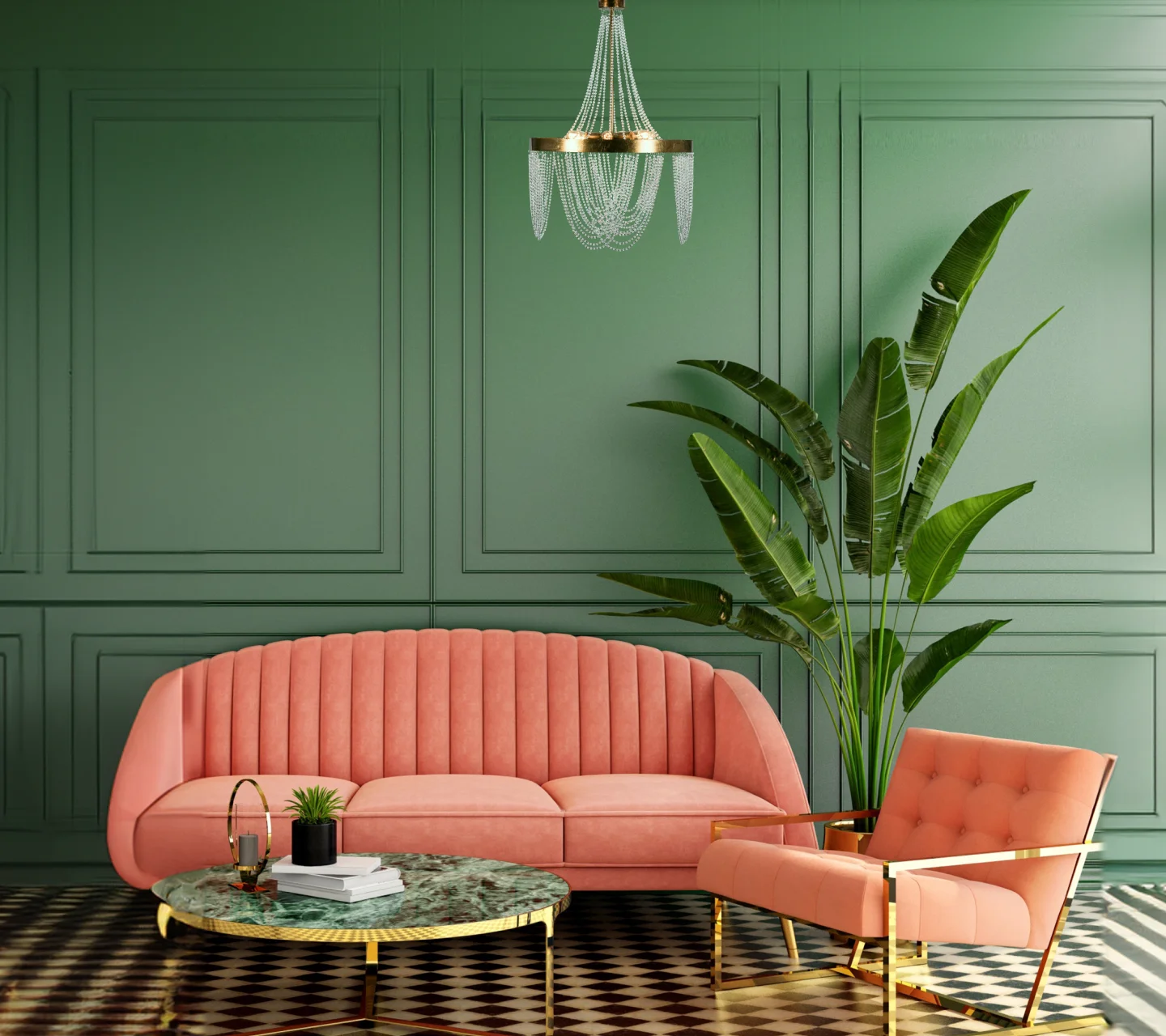
A strong colour can work, but the texture should become simpler as the colour becomes more intense. Combining a dramatic shade with a complicated pattern can quickly overwhelm the space.
Monochromatic Texture Wall Ideas
Using the same or a closely related shade for the textured wall and surrounding surfaces creates a subtle, layered effect. This is one of the easiest ways to make wall texture paint designs for hall spaces feel sophisticated rather than busy.
Common Mistakes to Avoid with Accent Wall Textures

Using Texture on Too Many Walls
Texture loses its impact when every wall competes for attention. One well-chosen accent is usually enough.
Choosing Overly Busy Patterns
If the surface catches your eye immediately from across the room, consider whether it will still feel comfortable after living with it every day.
Ignoring Room Size and Natural Light
Heavy textures and dark colours can make a small or poorly lit room feel enclosed. Lighter shades and finer textures are generally easier to balance.
Mismatching Texture with Interior Style
A rustic finish may feel out of place in an otherwise minimalist room, just as an industrial concrete effect may clash with ornate traditional décor. The texture should feel like part of the same design story.
How Lighting Affects Textured Accent Walls

Natural Light and Shadow Effects
Texture changes throughout the day as sunlight moves across the wall. A finish that looks subtle in the morning may appear more pronounced in the evening.
Using Spotlights and Wall Washers
Directional lighting can highlight raised areas and bring out the depth of a textured surface. Use it deliberately, especially with strongly patterned finishes.
Enhancing Texture Through Strategic Lighting
Before finalising a finish, consider where your light sources are placed. Good lighting can make a simple texture design look refined, while harsh lighting can exaggerate imperfections.
Texture Paint vs Wallpaper for Accent Walls
Texture Paint | Wallpaper |
Creates physical depth on the wall | Primarily creates visual pattern |
Can offer a handcrafted appearance | Offers a wide range of printed designs |
Minor surface variations can add character | Patterns tend to be more uniform |
Can be refreshed with suitable repainting | Replacement may be needed to change the design |
Appearance and Design Flexibility
Texture paint gives you flexibility in colour, finish and the degree of surface variation. Wallpaper offers more intricate printed patterns and imagery.
Durability and Maintenance
The better choice depends on the room, surface condition and product used. Both require appropriate installation and care.
Cost and Long-Term Value
Consider not just the initial cost, but also how easily the finish can be maintained or changed when comparing the two.

Cleaning Different Texture Finishes
Dust can settle into raised surfaces, so gentle cleaning is preferable. Avoid aggressive scrubbing unless the specific finish is designed to withstand it.
Repairing Minor Damage and Imperfections
Small chips or damaged areas should be repaired using compatible materials. Because texture creates a varied surface, patch repairs may need careful blending.
When to Refresh or Repaint a Textured Wall
Refresh the wall when the colour has faded, the finish has become worn or the room's décor has changed. A well-chosen texture can remain relevant for years when it is not overly trend-driven.
Frequently Asked Questions
Which wall should be chosen as an accent wall?
Choose a wall that already has a natural visual purpose, such as the wall behind a sofa, bed, dining table or entryway console.
Are textured accent walls suitable for small rooms?
Yes. Fine textures and lighter colours can add depth without making a small room feel crowded.
Which texture paint finish is best for a modern home?
Concrete, fine sand, subtle stucco and restrained brush finishes can work well in modern interiors. The best option depends on the room's existing furniture and lighting.
Can texture paint be applied over existing painted walls?
In many cases, yes, but the existing surface needs appropriate preparation. Loose paint, cracks, dust and other surface issues should be addressed before application.
How do I prevent an accent wall from looking overwhelming?
Keep the texture, colour or pattern in proportion to the room. If the texture is bold, simplify the colour and surrounding décor. If you want a strong colour, choose a quieter texture.
Is texture paint better than wallpaper for accent walls?
Neither is universally better. A wall texture is a good choice when you want physical depth and a more handcrafted finish, while wallpaper may be preferable when you want detailed patterns or graphics. For a wall texture design for living room spaces, the decision should ultimately reflect the room's size, lighting, décor and the kind of focal point you want to create.
LIKE THIS ARTICLE
Give us a thumbs up!
TEXTURE FINISH
Royale Play special effects for the interior


Call us for Painting Services
 1800-209-5678
We value your interest in Asian Paints Beautiful Homes Painting Service. We will get in touch within 4 hours to schedule a visit by an expert.
Are you looking for home interiors?
Get tailored made designs from our interior design services by asian paints.
Please try again
Are you looking for home interiors?
Get tailored made designs from our interior design services by asian paints.
Need help with your painting needs?
Fill the form below to book an appointment with an in house interior designer.