


Call us for Painting Services
 1800-209-5678
Are you looking for home interiors?
Get tailored made designs from our interior design services by asian paints.
Are you looking for home interiors?
Get tailored made designs from our interior design services by asian paints.
Bid goodbye to your home furnishing hassles with our expert supervision
All
interior primer
exterior primer
putty
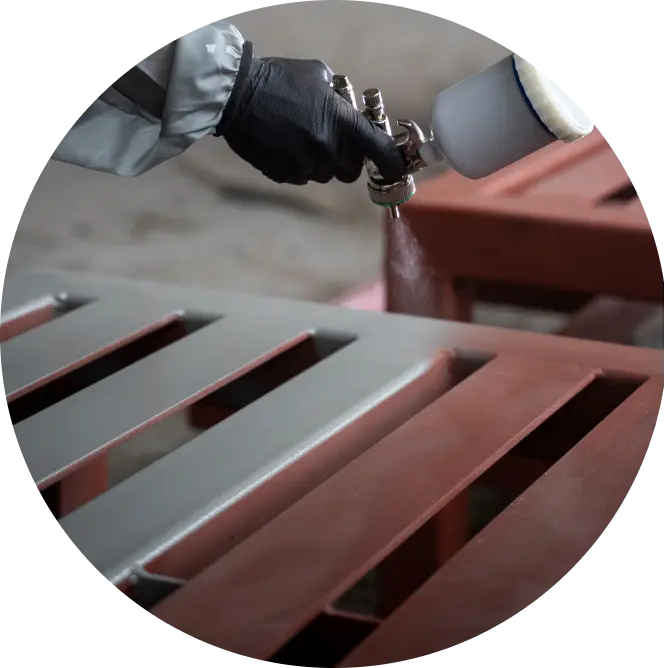
metal and wood primer
waterproofing
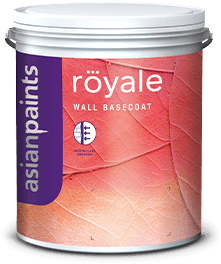
Royale Wall Base Coat
Royale Wall Base Coat
THE BEST PRIMER FOR A SUPERIOR FINISH
Create the perfect base coat that primes for a smooth finish, better paint adhesion, and added moisture protection.
- Special acrylic binders
- Adhesion
- Whiteness and smoothness
Create the perfect base coat that primes for a smooth finish, better paint adhesion, and added moisture protection.
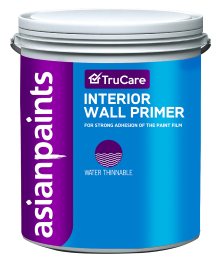
Trucare Interior Wall Primer - Water Thinnable
Trucare Interior Wall Primer - Water Thinnable
ENHANCES THE LOOK OF PAINTS
A true hero product when it comes to water-based wall finishes. It proves to be an effective primer for luxury finishes of top coats.
- Superior whiteness
- Alkali resistance
- Moisture resistance
A true hero product when it comes to water-based wall finishes. It proves to be an effective primer for luxury finishes of top coats.
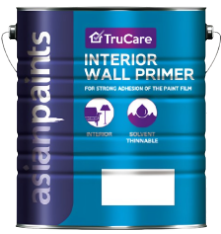
Trucare Interior Wall Primer - Solvent Thinnable
Trucare Interior Wall Primer - Solvent Thinnable
MAKES YOUR FINISHES LOOK BETTER
Let your walls stand out! All you need for an everlasting paint is aprimer with good sealing properties.
- Opacity and whiteness
- Alkali resistance
- Good sealing properties
Let your walls stand out! All you need for an everlasting paint is aprimer with good sealing properties.
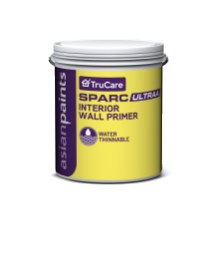
Trucare Sparc Ultraa Interior Primer- Water Thinnable
Trucare Sparc Ultraa Interior Primer- Water Thinnable
SUPERIOR PERFORMANCE AT A GREAT PRICE
Upgraded performance with great whiteness and topcoat adhesion for a wonderful wall with a superior finish
- Better opacity and whiteness
- Better topcoat adhesion
- Econimical price point
Upgraded performance with great whiteness and topcoat adhesion for a wonderful wall with a superior finish
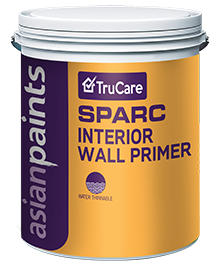
Trucare Sparc Interior Primer-Water Thinnable
Trucare Sparc Interior Primer-Water Thinnable
BALANCES PRICE WITH PERFORMANCE
Provides good whiteness, a smooth surface and great adhesion to the topcoat for smooth interior walls
- Opacity and whiteness
- Better topcoat adhesion
- Economical price point
Provides good whiteness, a smooth surface and great adhesion to the topcoat for smooth interior walls

SmartCare Terrace Tile Primer
SmartCare Terrace Tile Primer
SUPERIOR PRIMER FOR TERRACE TILES AND CHINA CHIPS
Lock in durability with our eco-friendly primer that waterproofs terrace tiles and keeps them strong for the long haul.
- Adhesion
- Flexibility
- Hybrid technology
- Eco-friendly
Lock in durability with our eco-friendly primer that waterproofs terrace tiles and keeps them strong for the long haul.
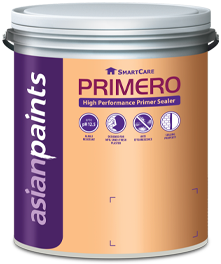
Smartcare Primero
Smartcare Primero
ALKALI RESISTANT PRIMER
Make your paint job last with our water-based primer that adds extra durability and moisture resistance to your exterior walls.
- Applicable on multiple surfaces
- Excellent sealing property
- Higher top coat coverage
Make your paint job last with our water-based primer that adds extra durability and moisture resistance to your exterior walls.
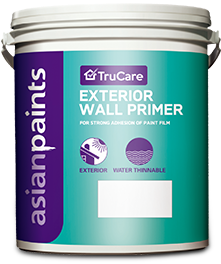
Trucare Exterior Wall Primer
Trucare Exterior Wall Primer
KEEPS WALLS IN PRIME CONDITION
Prime your walls the right way with our water-based primer that locks in paint better and gives your exterior walls a smooth, even base.
- Opacity and whiteness
- Better topcoat adhesio
- Resists peeling
Prime your walls the right way with our water-based primer that locks in paint better and gives your exterior walls a smooth, even base.
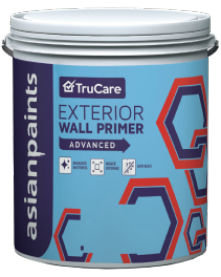
Trucare Exterior Wall Primer Advanced
Trucare Exterior Wall Primer Advanced
DEPENDABLE FOR A LASTING, EVEN SURFACE FINISH
The perfect balance between whiteness, surface adhesion and topcoat finish to enusre all round satistaction with the surface finish
- Better opacity and whiteness
- Better topcoat adhesion
- Econimical price point
The perfect balance between whiteness, surface adhesion and topcoat finish to enusre all round satistaction with the surface finish
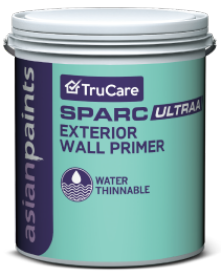
Trucare Sparc Ultraa Exterior Primer
Trucare Sparc Ultraa Exterior Primer
SUPERIOR PERFORMANCE AT A GREAT PRICE
Upgraded performance with great whiteness and topcoat adhesion for a wonderful wall with a superior finish
- Better opacity and whiteness
- Better topcoat adhesion
- Econimical price point
Upgraded performance with great whiteness and topcoat adhesion for a wonderful wall with a superior finish
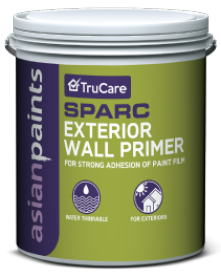
Trucare Sparc Exterior Primer
Trucare Sparc Exterior Primer
BALANCES PRICE WITH PERFORMANCE
Provides good whiteness, a smooth surface and great adhesion to the topcoat for smooth exterior walls
- Opacity and whiteness
- Better topcoat adhesion
- Economical price point
Provides good whiteness, a smooth surface and great adhesion to the topcoat for smooth exterior walls
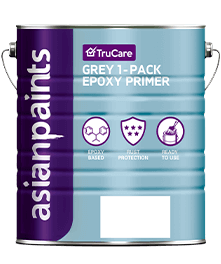
Trucare Grey 1-Pack Epoxy Primer
Trucare Grey 1-Pack Epoxy Primer
THE BEST ANTI-RUST PRIMER
Say goodbye to rust with this primer that promises supreme protection against rust that is 50 times stronger than ordinary metal primer.
- Primer with anti-corrosion properties
- Ready to use primer
- Excellent adhesion property
Say goodbye to rust with this primer that promises supreme protection against rust that is 50 times stronger than ordinary metal primer.
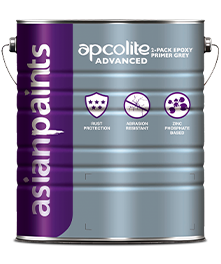
Apcolite Advanced 2-pack Epoxy Primer Grey
Apcolite Advanced 2-pack Epoxy Primer Grey
PRIMER THAT DOUBLES AS TOPCOAT
Give a perfect anti-rust finish to your metal surfaces with this primer, while enhancing adhesion and protects the metal.
- Has overcoating property
- Excellent adhesion property
- Dual coat system with high performance
Give a perfect anti-rust finish to your metal surfaces with this primer, while enhancing adhesion and protects the metal.
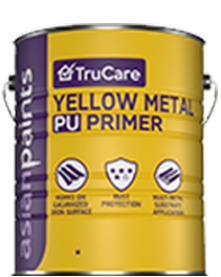
Trucare Yellow Metal Primer
Trucare Yellow Metal Primer
ULTIMATE PROTECTION FOR METALS
Say bye to rust and corrosion, with our metal primer that gives a lasting defence and improved paint adhesion.
- Excellent adhesion property
- Supreme rust protection
- Free of hazardous material of chrome
Say bye to rust and corrosion, with our metal primer that gives a lasting defence and improved paint adhesion.
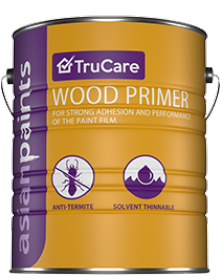
Trucare Wood Primer
Trucare Wood Primer
SOLID FOUNDATION FOR A WOODEN SURFACE
Tackles wood's natural porosity to provide a pristine, workable surface
- Made especially for wood
- Good sealing
- Topcoat adherance
Tackles wood's natural porosity to provide a pristine, workable surface
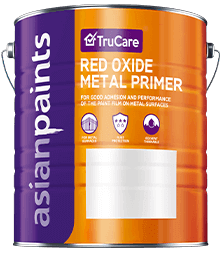
Trucare Red Oxide Metal Primer
Trucare Red Oxide Metal Primer
THE CORROSION RESISTANT PRIMER
Give your metal surfaces the right protection with this primer, which will provide a good coverage, equal levelling, and good adhesion to your surfaces.
- Excellent opacity
- Offers good coverage
- Good adhesion on all metal surfaces
Give your metal surfaces the right protection with this primer, which will provide a good coverage, equal levelling, and good adhesion to your surfaces.
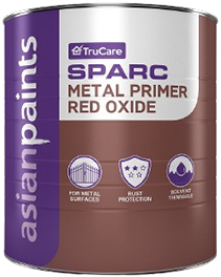
Trucare Sparc Red Oxide Primer
Trucare Sparc Red Oxide Primer
KEEPS METAL SURFACES RUST-FREE AT A GREAT PRICE
Great surface adhesion with metals to ensure a resilient topcoat finish at an economical price point
- Good corrosion resistance
- Good adherent coating
- Economical pricing
- Great topcoat finish
Great surface adhesion with metals to ensure a resilient topcoat finish at an economical price point
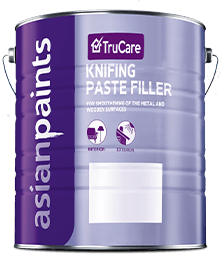
Trucare Knifing Paste Filler
Trucare Knifing Paste Filler
FILLS DENTS & LEVELS IMPERFECTIONS
Create beautiful walls with this filler that smooths out cracks and dents, leaving you with a perfect wall finish.
- Easy cutting
- Hard dry feature
- Can be thinned
Create beautiful walls with this filler that smooths out cracks and dents, leaving you with a perfect wall finish.
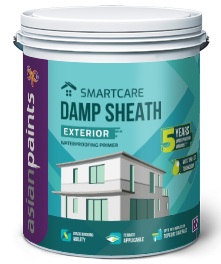
Damp Sheath Exterior
Damp Sheath Exterior
EFFECTIVE WATERPROOFING BASE COAT FOR EXTERIOR VERTICAL WALLS
Keep moisture out with our damp-proof coating that protects your exterior walls and keeps your paint looking fresh.
- 5 years warranty
- Crack bridging ability
- Top coat coverage increase up to 10%
Keep moisture out with our damp-proof coating that protects your exterior walls and keeps your paint looking fresh.
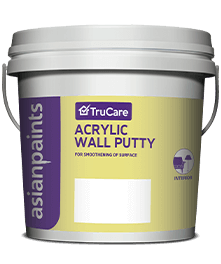
Acrylic Wall Putty
Acrylic Wall Putty
FOUNDATION OF BEAUTIFUL HOMES
Perfect your finish with our water-based putty that fills imperfections and leaves a smooth, white base for your topcoat.
- No primer required
- Cost effective
- Time saving system
Perfect your finish with our water-based putty that fills imperfections and leaves a smooth, white base for your topcoat.
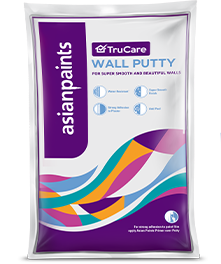
Trucare Wall Putty
Trucare Wall Putty
PERFECT FOR SUPER SMOOTH FINISH
Perfect the art of smooth walls, with our putty which will fill cracks and gaps, ensuring a perfect surface inside and out.
- Smooth finish
- Good workability
- Excellent strength
Perfect the art of smooth walls, with our putty which will fill cracks and gaps, ensuring a perfect surface inside and out.
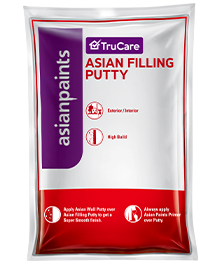
Trucare Filling Putty
Trucare Filling Putty
LEVELS LARGER UNDULATIONS BETTER
Smooth out every bump with our white cement-based putty giving your walls a flawless base coat for painting.
- Excellent levelling
- Abrasion resistance
- Built-up thickness upto 10 mm
Smooth out every bump with our white cement-based putty giving your walls a flawless base coat for painting.
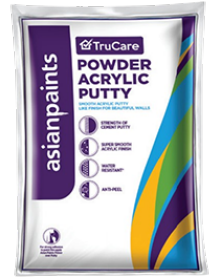
Trucare Powder Acrylic Putty
Trucare Powder Acrylic Putty
BLEND OF CEMENT STRENGTH AND SMOOTH ACRYLIC FINISH
Provides an ultra smooth, glossy, marble-like finish to ensure the smoothest and shiniest topcoat finish
- Smooth finish
- Good workability and mixing
- Catwrs to both filling and finish
Provides an ultra smooth, glossy, marble-like finish to ensure the smoothest and shiniest topcoat finish

SmartCare Damp Sheath Exterior Advanced
SmartCare Damp Sheath Exterior Advanced
WATERPROOFIING PRIMER FOR EXTERIOR WALLS
Keep your exteriors water-tight with this high-performance coating that lasts longer and provides good adhesion.
- 5 years warranty
- Crack bridging ability
- Top coat coverage increase up to 10%
Keep your exteriors water-tight with this high-performance coating that lasts longer and provides good adhesion.
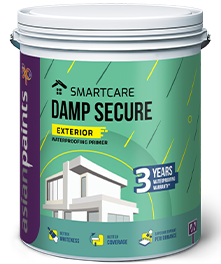
Damp Secure
Most popular
Damp Secure
BEST IN CLASS PRIMER FOR UNBEATABLE WATERPROOFING PROTECTION
Protect your walls the secure way with our primer that offers 3 years of waterproofing warranty. Designed for exterior vertical walls, it locks in paint better while providing a strong, protective base against dampness.
- Better whiteness & coverage
- 3 years waterproofing warranty
- Superior topcoat performance
Protect your walls the secure way with our primer that offers 3 years of waterproofing warranty. Designed for exterior vertical walls, it locks in paint better while providing a strong, protective base against dampness.

Decoprime Interior Wall Primer Advanced - Water Thinnable
Decoprime Interior Wall Primer Advanced - Water Thinnable
ADVANCED ADHESION FOR YOUR WALLS
An essential undercoat for paints! This paint provides superior hiding and superior whiteness before you apply your final paint.
- Opacity and whiteness
- Alkali resistance
- Good sealing properties
An essential undercoat for paints! This paint provides superior hiding and superior whiteness before you apply your final paint.
What is Undercoat Paint?
Undercoat paint is the preparatory layer applied before the final paint. It creates a smooth, stable base so the topcoat adheres properly and looks even. This layer typically includes primer paint, putty, or a combination of both, depending on the surface condition. Think of it as the foundation that ensures your wall paint performs better, lasts longer, and looks flawless.
Benefits of Undercoat Painting
Improves paint adhesion and prevents premature failure
Creates a uniform surface for smooth topcoat application
Enhances colour richness and finish consistency
Covers minor cracks, pores, and surface imperfections
Reduces paint consumption by improving coverage
Increases durability and resistance to peeling or flaking
Different Types of Undercoat Paints
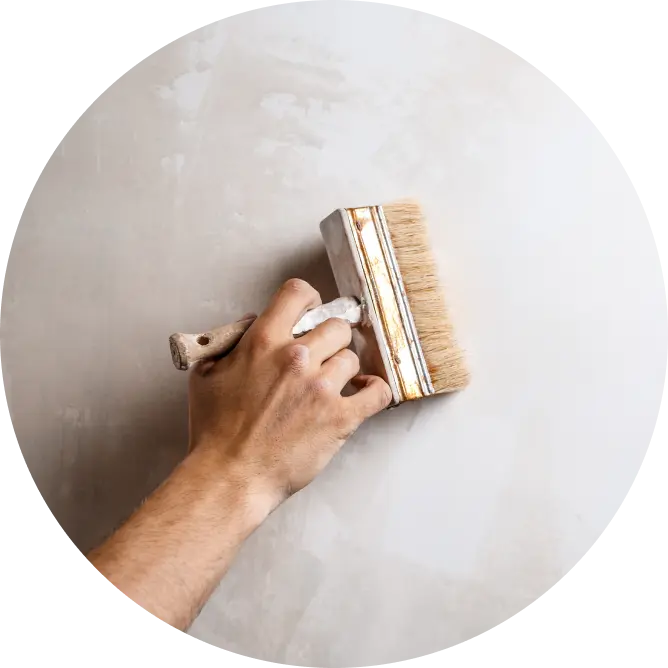
- Interior Primer
Interior wall primer prepares indoor surfaces by sealing porosity and ensuring even absorption. It helps achieve a refined finish while improving paint durability.
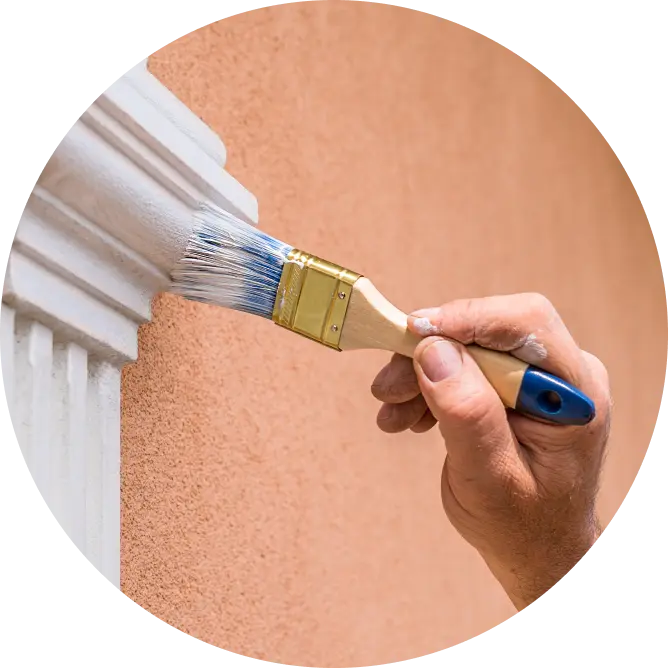
- Exterior Primer
Designed to withstand weather exposure, exterior primers protect walls from moisture, heat, and environmental stress while strengthening topcoat performance.
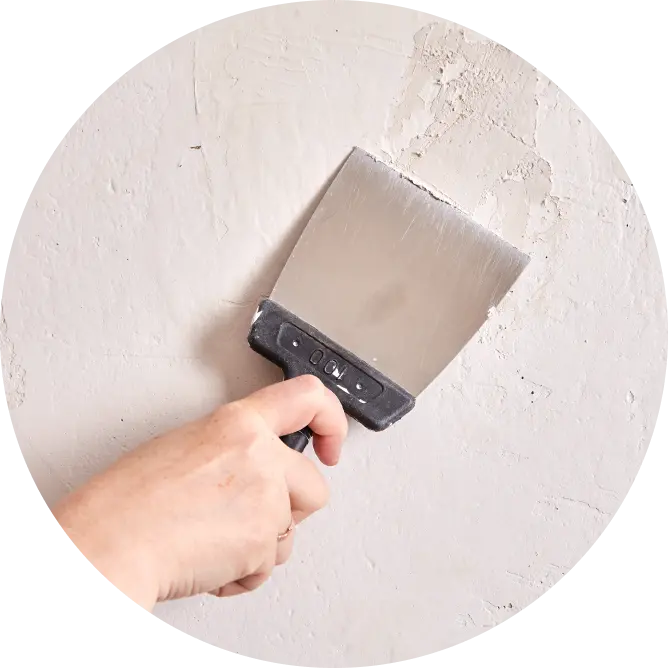
- Putty
Wall putty is used to level uneven surfaces and fill dents, hairline cracks, and pores. It provides the smooth canvas required before applying a primer coat.
- Metal and Wood Primer
Specialised primers protect metal from corrosion and wood from moisture while improving paint adhesion on these challenging surfaces.
Undercoat Paint for Specific Surfaces
Different surfaces need different preparation:
New Walls: Require putty followed by a primer for wall to seal fresh plaster.
Repainted Walls: Need a primer coat to improve bonding with the new paint.
Wood Surfaces: Use wood primers to prevent uneven absorption.
Metal Surfaces: Require anti-corrosive primers for long-term protection.
When Should You Use Undercoat Paint?
Use undercoat paint whenever you want a professional-quality finish. It is especially important:
Before painting new plastered walls
When changing from a dark to a light shade
On repaired or patched surfaces
When repainting walls that show chalking or unevenness
On porous materials that absorb paint quickly
Undercoat Paint vs Primer vs Putty
Feature | Putty | Primer Paint | Undercoat (System) |
Purpose | Levels surface | Seals & improves adhesion | Complete preparation layer |
| Application Stage | Before primer | Before topcoat | Includes putty + primer |
Surface Correction | Fills dents & cracks | Does not level the surface | Ensures smoothness & bonding |
Finish Impact | Smooth base | Uniform absorption | Enhances final appearance |
How Undercoat Paint Improves Topcoat Performance
A properly applied undercoat ensures that the topcoat spreads evenly and maintains its colour accuracy. Without it, paint may soak unevenly into the wall, leading to patchiness and reduced life. Undercoating also strengthens the bond between surface and paint, helping the finish resist stains, moisture, and wear over time.
How to Apply Undercoat Paint?
Clean the Surface: Remove dust, grease, and loose particles.
Apply Putty: Fill imperfections and smooth the wall.
Sand the Surface: Achieve an even texture after drying.
Apply Primer Coat: Use a suitable wall primer for sealing.
Allow Drying: Let the surface dry completely before painting.
Light Sanding (If Needed): Ensure a refined base.
Apply Topcoat: Proceed with your chosen paint finish.
Application Tips for Best Results
Always choose the primer based on surface type and location.
Apply thin, even coats instead of one thick layer.
Allow sufficient drying time between applications.
Sand gently to remove surface grains before painting.
Use quality tools like rollers or brushes for consistent coverage.
Coverage & Drying Time of Undercoat Paints
Coverage depends on surface porosity and product type, but primers typically cover large areas efficiently due to their sealing ability. Most primer paint solutions dry within a few hours, while putty may require additional time before sanding and recoating. Proper drying ensures better adhesion and prevents future defects.
Explore Asian Paints Undercoat Products (Top Products)
Interior Wall Primers for smooth and durable finishes
Exterior Wall Primers engineered for weather resistance
Acrylic Wall Putty for superior levelling and whiteness
Cement-based Putty for strong adhesion on masonry surfaces
Metal Primers for corrosion protection
Wood Primers are designed for uniform absorption and finish quality
Putty levels and repairs the surface, while primer seals it and improves paint adhesion.