

Interior Paint
Exterior Paints
Interior vs exterior paint: understanding their unique applications
Paint does more than add colour to your home. It protects surfaces, improves durability, and shapes how your space looks and feels. But not all paints are the same. Interior and exterior paints are designed for very different conditions.
Choosing the right type is important. Using the wrong one can affect both the finish and the lifespan of your walls. Here is a clear guide to help you understand the differences and make better decisions.
Difference between interior and exterior paint


1. Composition
Interior paints are made for controlled environments. They focus on smooth finish, colour richness, and ease of maintenance. Since they are not exposed to harsh weather, they do not need heavy protective additives.
Exterior paints are built for durability. They contain special additives that protect against sunlight, rain, temperature changes, and pollution. These formulations help the paint stay intact even in tough outdoor conditions.

2. Durability and resistance
Interior paints are designed to handle everyday wear like stains, smudges, and frequent cleaning. They are easy to maintain and keep their finish over time in indoor settings.
Exterior paints are made to handle extreme conditions. They resist cracking, peeling, and fading caused by sun, moisture, and changing weather. Their main role is to protect the building surface while maintaining appearance.

3. Colour and finish options
Interior paints offer a wide variety of colours and finishes. From matte to gloss, they allow you to create any look based on your design style.
Exterior paints have a more limited range. This is because they need to maintain colour stability under strong sunlight and weather exposure. The focus is on long-term performance rather than variety.

4. Resistance to mould and mildew
Interior paints may include basic protection against moisture, especially for kitchens and bathrooms.
Exterior paints offer stronger resistance to mould and mildew. Since outdoor walls face more moisture and humidity, this added protection is essential.
5. VOC levels
Interior paints are designed with low VOC levels to ensure better indoor air quality. This makes them safer for everyday living.
Exterior paints may have slightly higher VOC levels. This helps improve application, adhesion, and durability in outdoor conditions.

6. Coverage and application
Interior paints provide smooth and even coverage. They usually require fewer coats and are easier to apply on prepared surfaces.
Exterior paints are thicker and more robust. They often need more preparation and multiple coats to ensure proper adhesion and long-lasting performance on surfaces like concrete, brick, or wood.

7. Drying time
Interior paints are formulated to dry quickly. This helps reduce inconvenience and allows faster completion of work indoors.
Exterior paints take longer to dry. Their drying time depends on weather conditions like sunlight, humidity, and temperature.
How interior and exterior painting techniques differ

Interior painting techniques
Surface preparation
Walls need to be cleaned, repaired, and smoothed before painting. Filling cracks and applying primer helps create an even base.
Application methods
Rollers are used for large areas, while brushes handle corners and details. Using good tools improves finish and consistency.
Drying conditions
Indoor environments allow controlled drying. Proper ventilation helps each coat set evenly before the next is applied.

Exterior painting techniques
Surface preparation and repair
Exterior walls need deeper cleaning, often with washing to remove dirt, dust, and old paint. Cracks and damages must be repaired carefully before painting.
Application tools
Large surfaces may require sprayers for faster coverage. Brushes and rollers are used for edges and detailed sections.
Weather considerations
Exterior painting depends on weather. Dry and mild conditions are ideal to ensure proper drying and adhesion.
Factors to consider when choosing paint

Interior paint
1. Usage and traffic
High-use areas like hallways and living rooms need durable and washable paints. This helps maintain a clean look despite regular use.
2. Colour and mood
Light shades make a room feel open and calm. Darker tones add depth and make spaces feel more intimate. Choose colours based on how you want the room to feel.
3. Drying time
Quick-drying paints help complete projects faster and reduce disruption.
4. Finish or sheen
Matte finishes hide wall imperfections and create a soft look. Gloss and semi-gloss finishes are more durable and easier to clean, making them ideal for kitchens and bathrooms.
5. Washability and maintenance
Washable paints are useful in spaces prone to stains. They make cleaning easier and help walls look fresh for longer.
6. Low VOC options
Low VOC paints are safer for indoor use. They improve air quality and make the space more comfortable to live in.
7. Moisture resistance
Rooms like kitchens and bathrooms need paints that can handle humidity without peeling or forming mould.
8. Primer and preparation
Using a primer paint improves paint adhesion and ensures even coverage, especially when changing colours or covering stains.

Exterior paint
1. Weather conditions
Choose paints that can handle your local climate. Heat, rain, and humidity all affect how paint performs over time.
2. Surface material
Different surfaces like wood, concrete, or brick require specific types of paint for better adhesion and durability.
3. Colour retention
Exterior paints should resist fading caused by sunlight. This helps maintain the look of your home for longer.
4. Mould and mildew resistance
If your home is exposed to moisture, choose paints with strong anti-fungal properties.
5. UV protection
UV-resistant paints protect both the colour and the surface underneath from damage.
6. Durability and longevity
Good exterior paint should withstand harsh conditions without cracking, peeling, or fading quickly.
7. Maintenance and cleaning
Choose paints that are easy to clean. This helps maintain the exterior appearance despite dust and pollution.
Final thought
Interior and exterior paints serve very different purposes. One focuses on comfort and appearance, while the other is built for protection and durability.
Choosing the right type ensures better performance, longer life, and a finish that looks good over time. With advanced solutions and finishes from Asian Paints, you can achieve both style and reliability for every surface in your home.
LIKE THIS ARTICLE
Give us a thumbs up!
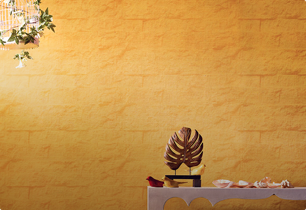
TEXTURE FINISH
Royale Play special effects for the interior


Call us for Painting Services
 1800-209-5678
Are you looking for home interiors?
Get tailored made designs from our interior design services by asian paints.
Are you looking for home interiors?
Get tailored made designs from our interior design services by asian paints.
Fill the form below to book an appointment with an in house interior designer.