
18. Maintain flow in open layouts
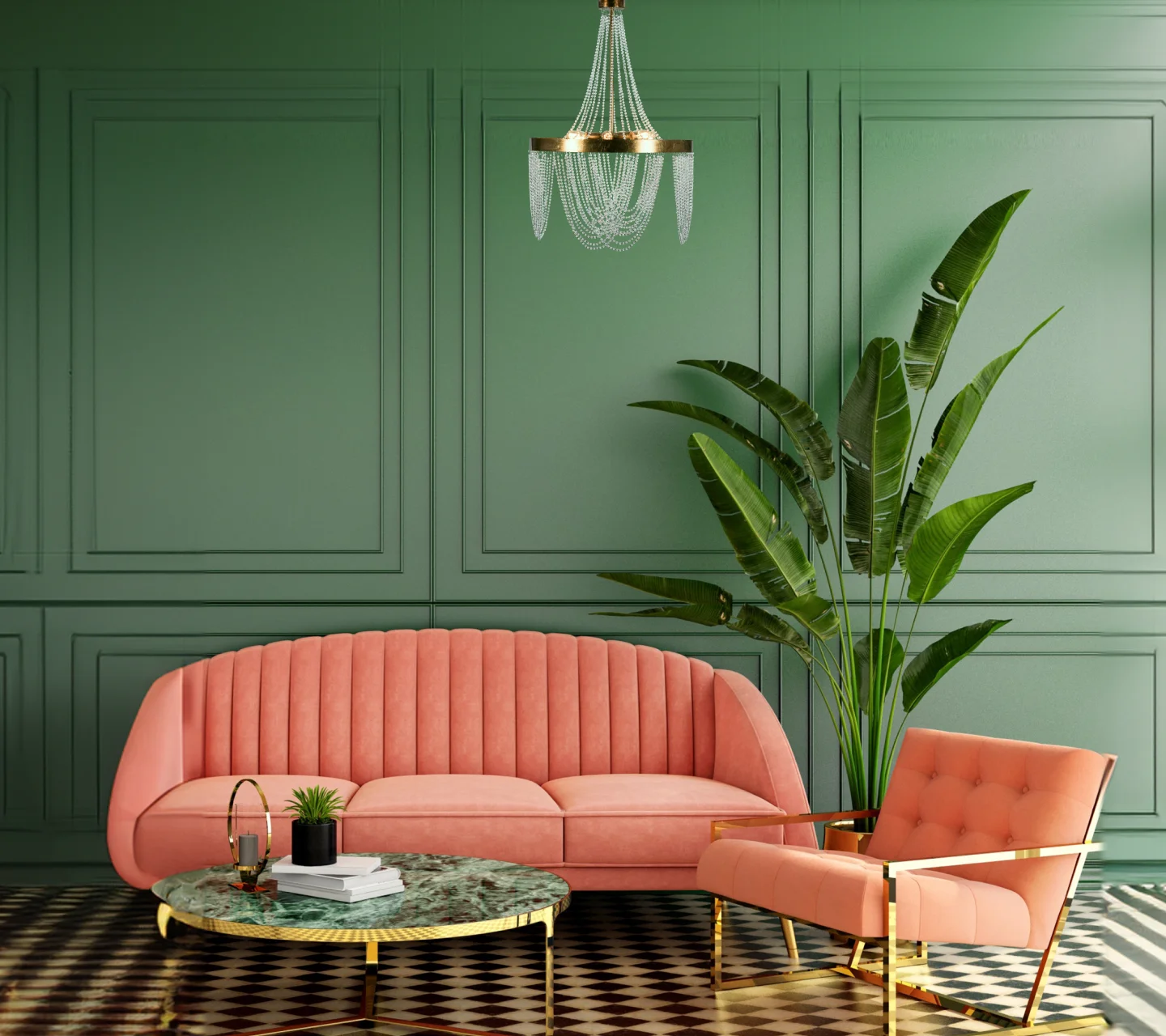
In open-plan homes, your dining wall should connect visually with nearby spaces.
Use similar colours or patterns to maintain continuity across the home.


Wall decor
Dining Room Decor
The dining room is where people come together. It is where meals turn into conversations and everyday moments feel special. Yet, this space often gets the least attention when it comes to design.
Wall décor plays a big role in shaping the mood of your dining area. The right choices can make the space feel warm, inviting, and thoughtfully put together.
Here are practical dining room design ideas to help you elevate your dining room walls with ease.
1. Start with a cohesive colour scheme
2. Create a strong focal point
6. Use exposed brick or textured finishes
10. Install a bookshelf or display wall
11. Keep it minimal and monochrome
13. Experiment with murals or large art
14. Use decals for flexibility
18. Maintain flow in open layouts
22. Use mirrors to expand the space


A well-designed dining room feels connected. Extend your colour palette from furniture and tableware to your walls.
Pick two or three key shades and repeat them across elements like upholstery, artwork, and wall paint. This creates a balanced and polished look.

Every dining room benefits from a clear visual anchor. This could be a large artwork, a curated gallery wall, or even a textile piece.
A focal point helps organise the space and draws attention in a natural way.

An accent wall is one of the simplest ways to add depth. Use a contrasting colour, textured wall paint, or built-in display.
You can also add functional elements like shelves or a small bar unit that doubles as décor.

Nature-inspired spaces feel calm and refreshing. Large windows, indoor plants, or earthy textures can soften the look of your dining room.
Even subtle touches like wooden panels or stone finishes can make a difference.

Photographs and meaningful art make a space feel lived-in. Create a wall with framed moments from travel, celebrations, or everyday life.
Keep the layout neat so it feels curated rather than cluttered.

A textured wall can add character without needing extra décor. Exposed brick, layered paint finishes, or stone textures create visual interest.
These work well as a backdrop for simple furniture and lighting.

Pick a colour already present in your dining room and repeat it through wall décor. This could be through artwork, painted trims, or decorative pieces.
It helps tie the entire room together.

Lighting can double as a design element. Wall lights, spotlights, or backlit panels can highlight artwork or create mood.
Good lighting also makes the space feel larger and more welcoming.

Wallpaper is an easy way to introduce pattern and personality. Choose designs that suit your style, whether subtle textures or bold prints.
Modern wallpapers are durable and work well in dining spaces.

A wall of books or curated objects can become a conversation starter. It adds personality and makes the dining space feel more layered.
Keep the arrangement clean and balanced for a refined look.

A single-colour palette can feel calm and elegant. Use different shades of the same colour to add variation without clutter.
This works well in modern homes that prefer a clean aesthetic.

Contrast helps highlight key elements in the room. Light artwork on dark walls or dark frames on light walls can make details stand out.
It adds visual clarity without needing too many elements.

A large mural or artwork can completely transform the dining room. It creates a strong visual impact and can make the space feel bigger.
Choose themes that match the mood you want to create.

Wall decals are easy to apply and replace. They are ideal if you like changing your décor often.
You can choose from subtle patterns to bold designs depending on your style.

Quotes or text-based art can add personality to your dining room. It works especially well in smaller spaces where you want something simple yet expressive.

If you want to avoid drilling into walls, use tall display units or vertical décor elements.
This creates height and keeps the space visually engaging.

Combine painted sections with wallpaper or textured panels. This creates contrast without overwhelming the space.
It works well if you want a balanced and layered look.

In open-plan homes, your dining wall should connect visually with nearby spaces.
Use similar colours or patterns to maintain continuity across the home.

Geometric wall paint adds a modern touch. They can be subtle or bold depending on the scale and colour.
Use them carefully in smaller spaces to avoid visual clutter.

A chalkboard wall brings flexibility and creativity. You can use it for notes, menus, or simple artwork.
It also adds a casual and interactive element to the space.

Not every wall needs to stand out. Neutral tones with a few accents can create a relaxed and welcoming dining area.
This approach works well if you prefer a quieter design style.

Mirrors reflect light and make a room feel larger. Place them opposite a window or light source for the best effect.
They are especially useful in smaller dining rooms.

Use window areas to add plants or small décor pieces. This brings freshness and softens the overall look.
It also makes the space feel more open and connected to nature.
Dining room wall décor does not need to be complicated. With the right mix of colour, texture, and personal touches, you can create a space that feels warm and inviting.
With carefully chosen finishes and design ideas from Asian Paints, your dining room can become a space that truly brings people together.
Give us a thumbs up!
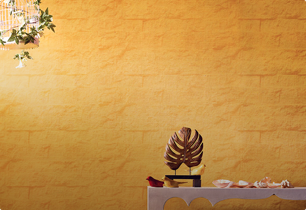
TEXTURE FINISH
Call us for Painting Services
 1800-209-5678
Are you looking for home interiors?
Get tailored made designs from our interior design services by asian paints.
Are you looking for home interiors?
Get tailored made designs from our interior design services by asian paints.
Fill the form below to book an appointment with an in house interior designer.