

How Sun Exposure Affects Exterior Paint Colours Over Time
Every exterior wall in India signs an unspoken contract with the sun: stand tall, look good, and quietly take whatever UV rays throw at it. Most exterior house colors hold up their end of the deal for a while, then start showing their age, a shade lighter here, a chalky patch there. If your once-vibrant exterior house paint colors have started looking a little tired, the sun is very likely the culprit. Let's break down exactly what's happening up there, and how to keep your home's exterior looking sharp for longer.
IN THIS ARTICLE
Why Sunlight Has a Major Impact on Exterior Paint
What Happens to Exterior Paint Colours Over Time?
Why Some Colours Fade Faster Than Others
How Heat Absorption Affects Exterior Paint Performance
Other Factors That Accelerate Colour Fading
Signs That Sun Damage Is Affecting Your Exterior Paint
How Paint Technology Helps Reduce Fading
Why Sunlight Has a Major Impact on Exterior Paint

The Role of UV Radiation
UV rays break down the pigment molecules in paint over time, quietly draining colour intensity the way a long day drains your energy.
Heat and Weather Exposure Effects
Add in heat, humidity, and the occasional monsoon downpour, and any exterior house painting job is basically running a marathon it never signed up for.
What Happens to Exterior Paint Colours Over Time?

Colour Fading
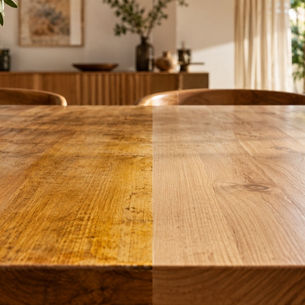
Pigments lighten gradually, so the vivid exterior house colours you chose can look noticeably softer within just a couple of years.
Loss of Gloss and Sheen
That fresh, just-painted shine dulls down as the surface weathers, even if the colour itself hasn't shifted much yet.
Surface Chalkiness and Dullness
Run a finger across an old exterior wall, and if it comes away powdery, that's chalking, a classic sign of prolonged sun exposure.
Why Some Colours Fade Faster Than Others

Dark Shades vs Light Shades
Dark shades absorb more heat and UV energy, which means they typically fade faster and more noticeably than lighter exterior house colors.
Bright and Vibrant Colours
Bold reds, oranges, and yellows tend to fade fastest of all; their pigments are simply more sensitive to sunlight.
Earthy and Neutral Tones
Beiges, greys, and off-whites age far more gracefully, making them reliable long-term picks for busy, sun-facing exteriors, and a popular base for many exterior wall paint colour combination choices.
How Heat Absorption Affects Exterior Paint Performance
Walls facing direct afternoon sun soak up significantly more heat, which speeds up pigment breakdown and can even affect the paint film's flexibility over time, another reason a professional exterior house painting job accounts for wall orientation before the first coat goes on. This matters even more when a two-tone exterior colour combination is involved, since each shade can weather at a slightly different pace.
Other Factors That Accelerate Colour Fading

Coastal and Humid Environments
Salt-laden coastal air is a double whammy: fading from the sun, plus corrosion pressure from the salt.
Air Pollution and Dust
Airborne grime settles into the paint film, dulling colours faster than sunlight ever could on its own.
Heavy Rainfall and Harsh Weather
Monsoon seasons add moisture stress on top of sun damage, so exteriors in high-rainfall regions often need extra protection.
Signs That Sun Damage Is Affecting Your Exterior Paint

Uneven Colour Appearance
Walls facing the sun differently often fade at different rates, leaving a patchy, mismatched look across the same house, sometimes turning a once-cohesive exterior wall paint colour combination into a bit of a mismatched patchwork.
Faded Patches and Discoloration
Look out for lighter blotches, especially around window ledges and parapet walls, prime sun-exposure zones.
Chalking and Surface Degradation
Persistent chalkiness, even after cleaning, usually signals it's time for a fresh coat.
How Paint Technology Helps Reduce Fading

UV-Resistant Pigments
Modern exterior house paint ranges use pigments engineered to resist UV breakdown, holding their colour far longer than older formulations.
Weather-Resistant Exterior Coatings
Specialised coatings add a protective layer that shields against rain, heat, and pollution, all in one go.
High-Performance Exterior Emulsions
Premium exterior emulsions combine flexibility and UV resistance, standing up to Indian summers without cracking or fading prematurely, an easy upgrade for anyone planning fresh exterior house painting this season.
Choosing Exterior Colours for Better Long-Term Performance
If you love a bold shade but want it to last, pair it with a high-performance exterior emulsion and consider a lighter undertone for your sunniest walls. Popular exterior home colors like warm neutrals and muted earth tones tend to age more gracefully than bright, saturated exterior house colour combinations. Feeling inspired to experiment with colour altogether? Our guide to ombre wall colour combinations is worth a look for gradients that age just as beautifully.
Frequently Asked Questions
Do dark exterior paint colours fade faster than light colours?
Generally yes, dark shades absorb more heat and UV energy, which speeds up fading compared to lighter exterior house colours.
How many years does exterior paint colour typically last in direct sunlight?
It varies with shade, exposure, and paint quality, but a good quality exterior emulsion is designed to hold its colour for several years before fading becomes noticeable, and a well-planned exterior house painting cycle helps you stay ahead of it.
Which colours are most resistant to fading?
Earthy, neutral, and muted tones tend to resist fading better than bright, saturated colours, which is why they show up so often in long-lasting exterior home colour palettes.
Can faded exterior paint be restored without repainting?
A thorough wash can improve appearance slightly, but significant fading usually calls for a fresh coat rather than a quick fix.
Does UV-resistant paint completely prevent colour fading?
It significantly slows fading but doesn't eliminate it entirely; sunlight will always have some long-term effect on any exterior house paint colors.
How can I protect exterior walls that receive all-day sunlight?
Choose UV-resistant, high-performance exterior paint, opt for lighter or neutral tones on high-exposure walls, and stick to a regular exterior house painting maintenance cycle.
Your home's exterior faces the sun every single day, so you don't have to think about it until it starts fading, that is. Choose your exterior house colors wisely, lean on modern UV-resistant formulations, and your home will stay confident and camera-ready for years to come.
LIKE THIS ARTICLE
Give us a thumbs up!
TEXTURE FINISH
Royale Play special effects for the interior


Call us for Painting Services
 1800-209-5678
Are you looking for home interiors?
Get tailored made designs from our interior design services by asian paints.
Are you looking for home interiors?
Get tailored made designs from our interior design services by asian paints.
Fill the form below to book an appointment with an in house interior designer.