

TRENDING
Painting services
Paint Maintenance
How to Maintain Painted Walls and Keep Them Looking Fresh
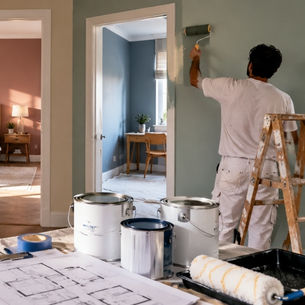
There is something about freshly painted walls that can change the feeling of a home. A room looks cleaner, brighter and somehow more put together. But after a few months of everyday life, the walls start telling a different story. There may be fingerprints around the switches, a few marks behind the sofa, dust in the corners or the occasional stain that seems to have appeared out of nowhere.
That doesn't mean it's time to repaint the whole house.
With a little regular care, good-quality paint can continue to look fresh for a long time. The key is to understand what your walls need, clean them gently and take care of small issues before they become bigger ones.
TABLE OF CONTENTS
Why Wall Maintenance Matters for a Long-Lasting Finish
How Often Should I Repaint My Interior Walls?
Everyday Cleaning Tips to Keep Painted Walls Looking Fresh
Products and Methods That Stop Paint From Peeling on Interior Walls
How to Prepare an Old Painted Wall Before Repainting
Which Paint Finishes Are Easiest to Clean for Kids' Rooms?
Common Mistakes That Shorten the Life of Painted Walls
Why Wall Maintenance Matters for a Long-Lasting Finish
Walls are easy to overlook because they don't require daily attention. Yet they are constantly exposed to dust, sunlight, moisture and the everyday activity of a home.
How Regular Care Extends the Life of Your Paint
You don't need a complicated maintenance routine. Dusting occasionally and cleaning marks when you notice them can prevent dirt from becoming ingrained in the surface.
It also helps to keep an eye on the condition of the walls. A small crack or patch of peeling paint is much easier to deal with when it is still small. Depending on the condition, a simple repair, a little wall putty and a touch-up may be all that's needed.

Common Signs Your Walls Need Attention
Take a closer look if you notice peeling or flaking paint, stubborn stains, cracks, bubbling or damp patches. Fading is another sign, particularly on walls that receive a lot of direct sunlight.
These don't necessarily mean that your entire room needs a fresh coat. Sometimes, cleaning or a small repair can bring the wall back to life.
How Often Should I Repaint My Interior Walls?
There isn't a magic number of years after which every wall needs to be painted again. Some rooms stay fresh for years, while others naturally show wear much sooner.
Average Repainting Cycle for Different Rooms
Bedrooms and less frequently used rooms generally need less attention. Living rooms and hallways see more daily activity, while kitchens and children's rooms tend to collect marks faster.
Bathrooms are a little different because moisture and ventilation play a major role in how long the finish lasts.
Instead of repainting simply because a certain amount of time has passed, look at the walls themselves. If they still look good and clean up well, there may be no reason to rush into another painting project.
Factors That Affect How Often You Should Repaint
The quality of the paint is only part of the picture. How well the wall was prepared, how much sunlight the room gets, indoor humidity and how heavily the room is used all matter.
The colour can also influence how quickly wear becomes noticeable. Lighter shades may make marks more visible, while some darker colours can show dust or touch-up differences more easily.

Signs It's Time to Repaint Sooner Than Planned
A few marks are normal. Widespread peeling, persistent dampness, significant fading or a wall that has accumulated several visible repairs are different.
When the finish has reached that stage, repainting can be a simple way to give the room a clean new beginning.
Everyday Cleaning Tips to Keep Painted Walls Looking Fresh
One of the easiest ways to look after painted walls is also one of the simplest: don't wait for them to become visibly dirty.
Dusting and Dry-Cleaning Methods
A soft microfiber cloth or duster is usually enough for routine dusting. Move gently across the surface and work from the top down.
Don't forget the areas that are easy to ignore—corners, skirting lines and the wall around switches and doorways. These spots tend to collect more dust than the rest of the room.
Safely Wiping Down Washable Wall Paint
For marks and light stains, start with a soft cloth and a little water. If the paint is designed to be washable, you can use a mild cleaning solution if recommended by the manufacturer.
The important thing is to be gentle. Try your cleaning method on a small, less noticeable section first, especially if you aren't sure how the finish will react.

What to Avoid When Cleaning Painted Walls
More scrubbing doesn't necessarily mean a cleaner wall. Rough sponges, abrasive cleaners and too much water can affect the finish.
If a mark refuses to come off, it may be better to leave it alone or consider a small touch-up rather than repeatedly scrubbing the same spot.
Products and Methods That Stop Paint From Peeling on Interior Walls
Peeling paint can be frustrating, particularly when a wall looked perfectly fine when it was first painted. Often, however, peeling is a sign of an underlying surface or moisture problem.
Role of Primers in Preventing Paint Failure
Primer helps prepare the surface for the paint that goes on top. It can be particularly useful when a wall has been repaired, is porous or is being repainted after old paint has been removed.
The right primer gives the new paint a better starting point, which is why good painting work is as much about preparation as it is about the final colour.
Choosing Moisture-Resistant and Washable Paints
Different rooms put different demands on your walls. A bedroom may need little more than a good-quality interior emulsion, while a kitchen or bathroom benefits from a finish designed to cope better with moisture.
Similarly, washable paint can be especially useful in children's rooms, dining areas, hallways and other places where the occasional fingerprint or splash is part of everyday life.

Sealants and Protective Coats for Long-Term Durability
Some walls and surfaces may benefit from an additional protective coating. Whether you need one depends on the location, existing paint system and the type of wear the surface is exposed to.
If you're unsure, a professional painting service can assess the wall and recommend whether a primer, protective coat or different type of paint would actually be useful. There's no need to add products that your walls don't require.
How to Prepare an Old Painted Wall Before Repainting
If you've decided that your walls are ready for a fresh coat, don't be tempted to paint over everything as it is. Good preparation is what makes the finished wall look smooth and even.
Step-by-Step Checklist
1. Take a good look at the wall. Check for cracks, loose paint, damp patches, stains or mould.
2. Clean it. Remove dust, grease and surface dirt, then give the wall enough time to dry.
3. Remove loose paint. Any paint that is already flaking needs to come off before you apply anything new.
4. Fill imperfections. Use a suitable wall putty to repair small holes, cracks and uneven areas.
5. Sand the repaired sections. Once the putty has dried, sand it gently so that the repair blends into the surrounding surface.
6. Prime where needed. A suitable primer paint can help create a consistent base for the new coat.
7. Paint. Apply the chosen paint according to the manufacturer's instructions, allowing sufficient drying time between coats.

8. Check the finished wall. Once everything has dried, look at the wall in natural light and touch up any areas that need attention.
And if you find dampness or recurring water marks during this process, stop there. Painting over a moisture problem won't solve it. Getting the source checked and repaired first will save you from having to redo the wall later.
Which Paint Finishes Are Easiest to Clean for Kids' Rooms?
Children's rooms are meant to be lived in. A little mess is part of the charm, but choosing a practical finish can make life much easier for parents.
Washable Emulsions for High-Traffic Spaces
A good washable paint can handle the occasional wipe-down without making every small mark a reason to worry. This makes it particularly useful in children's rooms, corridors and other busy areas.
Matte vs Satin vs Glossy Finishes for Kids' Rooms
Matte finishes have a soft, understated appearance and can be good at hiding minor surface imperfections. Satin finishes offer a little more sheen and are generally easier to wipe clean.
Glossy finishes are even more reflective and can be easy to clean, but they also tend to highlight imperfections in the wall.
For most homes, the best choice isn't necessarily the shiniest or most washable finish. It's the one that suits the condition of the wall, the look you want and the amount of cleaning the room is likely to need.

Durable Finishes That Resist Stains and Scuffs
If the room gets plenty of use, choose a paint designed for regular cleaning and everyday wear. Spending a little more on durability at the beginning can be worthwhile when it helps the walls stay presentable for longer.
Common Mistakes That Shorten the Life of Painted Walls
Skipping Wall Prep Before Repainting
A new coat cannot hide every problem underneath it. Dust, grease, loose paint and uneven repairs can all affect the final result.
Taking time to prepare the surface may not be the most exciting part of painting, but it often makes the biggest difference.
Using the Wrong Paint for High-Moisture Areas
A beautiful paint that works perfectly in your bedroom may not be the best choice for a bathroom or kitchen.
Think about what each room experiences before choosing the product. Moisture, ventilation and frequency of cleaning all matter.

Ignoring Small Cracks and Damp Patches
It's easy to dismiss a tiny crack or faint damp patch. But if it keeps returning, it's worth finding out why.
Addressing these problems early can prevent more extensive repairs later—and help your new paint job last as long as it should.
Long-Term Habits for Fresh-Looking Walls
Looking after painted walls doesn't have to become another item on your household to-do list. A few small habits are enough.
Routine Inspections and Timely Touch-Ups
Every few months, take a quick look around the house. Clean obvious marks, check areas around windows and switches, and keep an eye out for cracks or moisture.
If you have leftover paint from your last painting project, keep it labelled with the room and colour. It can be surprisingly useful when you need to cover a small mark later.
Protecting Walls From Humidity and Direct Sunlight
Ventilation is especially important in kitchens and bathrooms. Use exhaust fans where appropriate and allow moisture to escape rather than letting it sit on walls.
In bright rooms, curtains or blinds can also help reduce prolonged direct sunlight and slow down fading.
Choosing Quality Paint for Long-Lasting Colour
Sometimes, maintaining a beautiful wall begins before the first coat is even applied.
Choose a wall paint colour that works with the room's natural light and purpose, and choose a finish that suits how the room is actually used. Good surface preparation, quality paint and skilled application can all contribute to a finish that stays attractive for longer.
If you're repainting an entire home or dealing with extensive wall repairs, professional painting services can also take much of the preparation and application work off your hands. A good team can help with surface assessment, putty work, priming, colour selection and painting, rather than simply applying a new coat over an old one.
Frequently Asked Questions
How often should I repaint my interior walls?
There is no fixed schedule. Repaint when the walls have widespread fading, peeling, stubborn stains or damage that cleaning and small touch-ups can no longer address. If the interior paint still looks good, there's no need to repaint simply because a certain number of years have passed.
What products or methods stop paint from peeling on interior walls?
Start with the cause. Proper surface preparation, suitable wall putty and primer paint can help create a strong base, while choosing the right paint for the room improves durability. If moisture is causing the peeling, that problem needs to be fixed first.
How do I prepare an old painted wall before repainting?
Clean the wall, remove loose paint, repair cracks and holes with wall putty, sand the repaired areas and use primer where appropriate. The surface should be clean, smooth and dry before the new paint goes on.
Which paint finishes are easiest to clean for kids' rooms?
A good washable finish is generally a practical choice. Satin finishes can offer a nice balance between a soft appearance and easy cleaning, while the best option depends on your wall condition and the look you prefer.
Can washable paints be used in every room of the house?
They can be useful in many rooms, but that doesn't mean every washable paint is suitable everywhere. Kitchens, bathrooms and other moisture-prone areas may need products specifically designed for those conditions.
How do I keep painted walls looking fresh for longer?
Keep dust under control, clean marks gently, deal with small repairs promptly and choose paint suited to each room. Good ventilation, sensible protection from direct sunlight and quality painting work can all help your walls stay fresh for longer.
LIKE THIS ARTICLE
Give us a thumbs up!
TEXTURE FINISH
Royale Play special effects for the interior


Call us for Painting Services
 1800-209-5678
Are you looking for home interiors?
Get tailored made designs from our interior design services by asian paints.
Are you looking for home interiors?
Get tailored made designs from our interior design services by asian paints.
Fill the form below to book an appointment with an in house interior designer.