

TRENDING
Painting services
Wall paints
How Different Wall Surfaces Affect Paint Consumption?
When estimating how much paint you need for a home, the wall area is only part of the calculation. Two walls of exactly the same size can require different quantities of paint depending on their surface condition, texture, porosity, existing colour and preparation.
This is why simply multiplying your wall area by an assumed paint coverage may not always give an accurate estimate. Understanding the surface can help you make a more realistic paint quantity calculation and plan your painting cost more effectively.
TABLE OF CONTENTS
Why Paint Consumption Varies Between Surfaces
Key Factors That Influence Paint Consumption
How Different Wall Surfaces Impact Paint Requirements
Why Fresh Plaster Walls Usually Consume More Paint
How Putty Improves Paint Coverage
The Impact of Wall Texture on Paint Consumption
How Wall Colour Changes Paint Requirement
The Role of Primers in Reducing Paint Consumption
How to Estimate Paint for Different Surface Types
Practical Tips to Reduce Unnecessary Paint Consumption

Why Paint Consumption Varies Between Surfaces
Paint does not behave the same way on every wall. A smooth, properly primed surface generally allows more predictable coverage, while porous or textured surfaces can consume more paint.
Understanding Paint Coverage vs Paint Consumption
Paint coverage refers to the approximate area that a specific quantity of paint can cover under recommended conditions. Paint consumption refers to the amount actually used on a particular surface.
The two can differ because real-world surfaces vary in porosity, Interior texture, application method and condition.
The Role of Surface Porosity and Absorption
Porous walls can absorb more of the coating, particularly during the first application. Fresh plaster and some bare masonry surfaces are examples.
Proper surface preparation and priming can help reduce uneven absorption and make the finish coats more consistent.
Key Factors That Influence Paint Consumption
Surface Texture
A smooth wall generally has a more predictable paint requirement than a heavily textured wall. Texture increases the actual surface area that the paint needs to cover.
Surface Condition
Cracks, patches, peeling paint and uneven areas can affect paint application. Walls in poor condition may require additional preparation and, in some cases, more material.
Existing Paint Colour and Coverage
The existing colour can influence the number of coats required. A major colour change, especially from a dark shade to a lighter one, may require additional coats for the desired appearance.

Primer and Undercoat Usage
Primer can help seal porous surfaces and provide a more uniform base for the topcoat. This can make subsequent paint application more consistent and improve coverage.
How Different Wall Surfaces Impact Paint Requirements
Freshly Plastered Walls
Fresh plaster is generally more porous than a previously painted, properly prepared wall. It can absorb the first coating unevenly, which may increase material consumption. The plaster should be adequately cured and prepared before applying the recommended primer and finish coats.
Putty-Finished Walls
Wall putty helps create a smoother and more uniform surface. Once properly sanded and primed, a putty-finished wall can provide a better base for the finish paint.
This does not mean putty automatically reduces the total paint quantity in every situation, but a well-prepared surface can make paint application more uniform.
Bare Concrete Surfaces
Bare concrete can be porous and uneven, depending on its finish and condition. It may therefore require appropriate preparation and priming before painting.
Previously Painted Walls
A sound, smooth and clean painted surface can generally provide more predictable paint consumption than fresh plaster.
However, peeling, chalking or damaged paint should be properly treated before repainting.

Textured Walls
Textured surfaces can consume more paint because the coating has to cover both the raised and recessed areas.
The deeper and more pronounced the texture, the greater the potential increase in paint consumption.
Damaged or Repaired Walls
Walls with cracks, patches or repairs can absorb paint differently across the surface. Uneven areas may require additional preparation before the finish coat is applied.
Why Fresh Plaster Walls Usually Consume More Paint
Fresh plaster is one of the surfaces where preparation has a particularly important role.
High Absorption Characteristics
The pores in fresh plaster can absorb the coating, particularly if the surface has not been properly sealed.
This can result in uneven coverage and higher consumption during the initial coat.

Importance of Proper Priming
Using a suitable primer for the surface helps create a more uniform base and can reduce excessive absorption by the finish paint.
Following the recommended preparation and coating system is therefore important when estimating paint requirements for new walls.
How Putty Improves Paint Coverage
Creating a Uniform Surface
Putty can help fill minor surface irregularities and create a smoother base. A smoother surface allows the finish paint to spread more consistently compared with a rough or uneven substrate.

Reducing Paint Absorption
When putty is properly applied, sanded and primed, it can contribute to a more uniform surface for the topcoat. However, the final paint requirement still depends on the product, number of coats and condition of the wall.
The Impact of Wall Texture on Paint Consumption
Smooth Walls vs Textured Walls
Smooth walls generally have fewer surface variations, making paint consumption easier to predict.
Textured walls have a larger effective surface area because of their raised patterns and recesses. As a result, they can require more paint for the same measured wall dimensions.

Deep Textures and Additional Coats
Deep textures can make it difficult to achieve consistent coverage in a single coat. Depending on the product and desired finish, additional paint may be required.
How Wall Colour Changes Paint Requirements
Painting Light Colours Over Dark Shades
Covering a dark existing colour with a much lighter shade can require additional coats to achieve the desired uniform appearance. Using an appropriate primer or undercoat can help create a more suitable base for the new colour.

Painting Dark Colours Over Light Shades
Moving from a light colour to a dark shade may provide good coverage more readily, but the final result still depends on the selected product, surface and recommended number of coats.
The Role of Primers in Reducing Paint Consumption
Sealing Porous Surfaces
On porous surfaces, primer helps regulate absorption and creates a more consistent base.

Improving Topcoat Coverage
A properly primed surface can help the finish paint spread more evenly. This can make the amount of topcoat required more predictable. .
Primer should not be viewed simply as a way to use less paint. Its primary purpose is to prepare the surface and support the performance of the complete paint system.
How to Estimate Paint for Different Surface Types

Calculating Surface Area
Begin by calculating the area that actually needs painting. For a simple wall:
Wall area = Wall length × Wall height
Subtract significant openings such as doors and windows where appropriate. A paint calculator can then use the paintable area, product coverage and number of coats to provide an initial estimate.
Adjusting Estimates Based on Wall Condition
The calculated quantity should be treated as an estimate because actual consumption can vary. Consider whether the wall is freshly plastered, smooth, textured, damaged or previously painted.
Practical example: Consider three walls, each measuring 100 sq ft. A properly prepared putty-finished wall may require a relatively predictable quantity of finish paint. A fresh plaster wall may consume more during the initial application because of absorption. A deeply textured wall may also require more because the paint must cover a larger effective surface area.
The exact quantities should be based on the selected product's stated coverage and recommended application system rather than applying a fixed percentage increase to every surface.
Practical Tips to Reduce Unnecessary Paint Consumption
Use the Right Primer
Select a primer appropriate for the surface. This is particularly important for fresh plaster, porous masonry and repaired areas.
Prepare the Surface Properly
Clean, repair, sand and prepare the wall according to the recommended painting system. Poor preparation can lead to uneven application and unnecessary rework.
Apply Recommended Coat Thickness
More paint does not always mean better coverage. Follow the product's recommended application method and coat thickness. Applying excessively thick coats can increase consumption without improving the result.
Quick Guide: Which Surfaces Consume the Most Paint?
Highest Paint Consumption Surfaces
Fresh, porous surfaces and heavily textured walls generally have greater potential for higher paint consumption. Damaged or uneven surfaces can also require more material because of additional preparation.

Lowest Paint Consumption Surfaces
Smooth, properly prepared and suitably primed surfaces generally offer more predictable paint consumption.
Remember that actual requirements depend on the product, application method and number of coats.
Frequently Asked Questions
Why do freshly plastered walls need more paint?
Fresh plaster can be porous and absorb the coating unevenly. Proper curing, preparation and priming help create a more uniform base for the finish paint.
Do textured walls consume more paint than smooth walls?
They can. Texture increases the effective surface area, particularly when the pattern is deep or pronounced. This can result in higher paint consumption than on an equivalent smooth wall.
Can primer reduce overall paint consumption?
Primer can help regulate absorption and improve the uniformity of the surface. This can make finish paint consumption more predictable, particularly on porous surfaces.
Does wall putty help improve paint coverage?
Properly applied and prepared putty can create a smoother, more uniform surface. This can support more consistent finish paint application.
Why does repainting dark walls require more paint?
A significant colour change from dark to light can make it harder to achieve uniform coverage in fewer coats. An appropriate primer or undercoat may help provide a better base.
How can I estimate paint quantity more accurately for my walls?
Measure the actual paintable area, identify the surface condition and texture, check the selected product's coverage and account for the recommended number of coats. A painting cost calculator or paint calculator can then help you develop an initial estimate.
Your paint requirement should be based on more than square footage alone. Surface preparation, texture, existing colour and porosity can all influence consumption. Considering these factors before purchasing paint can help you plan your project more accurately and avoid unnecessary material costs.
LIKE THIS ARTICLE
Give us a thumbs up!
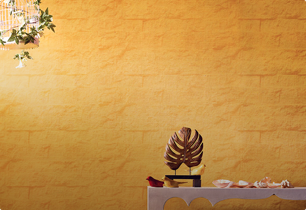
TEXTURE FINISH
Royale Play special effects for the interior


Call us for Painting Services
 1800-209-5678
Are you looking for home interiors?
Get tailored made designs from our interior design services by asian paints.
Are you looking for home interiors?
Get tailored made designs from our interior design services by asian paints.
Fill the form below to book an appointment with an in house interior designer.