

Living Room colour
Living Room Decor
Vastu-Approved Living Room Colours for a Positive and Balanced Space
Your living room is one of the most used spaces in your home. It is where guests are welcomed, conversations happen, and everyday life unfolds. Because of this, the way it looks and feels matters more than most other rooms. One of the simplest ways to influence that feeling is through colour.
According to Vastu Shastra, colours are not just decorative choices. They are linked to energy, mood and overall balance within a space. While you do not need to follow strict rules, choosing the right colours can help make your living room feel lighter, more comfortable and easier to spend time in.
Why Colour Choice Matters in the Living Room
Colours directly affect how a space feels. Bright and light shades can make a room feel open and welcoming, while darker tones can make it feel smaller or heavier. In a living room, where multiple people gather, it is important to create a balanced environment that does not feel too overwhelming or too dull.
Vastu focuses on maintaining this balance. It suggests using colours that reflect light well, support a calm atmosphere and do not create visual stress. This does not mean your living room has to be plain or boring. It simply means being mindful of how much of each colour you use and where you use it.

Light and Neutral Colours Work Best
In most cases, lighter shades are the safest and most effective option for living rooms. Colours like white, off-white, cream and beige are commonly recommended because they make the space feel open and breathable.
White and off-white are especially useful if your living room is small or does not get a lot of natural light. These shades reflect light, making the room appear brighter and more spacious.
They also provide a clean background that allows furniture and décor to stand out without clashing.
Beige and cream are slightly warmer alternatives. They add softness to the room and make it feel more comfortable without being too bold. These colours are also practical because they pair easily with almost any other shade, allowing you to change your décor over time without repainting the walls.

Using Colour Without Overdoing It
While neutral shades work well as a base, adding some colour is important to avoid a flat or dull look. The key is to use colour in a controlled way rather than covering every wall with it.
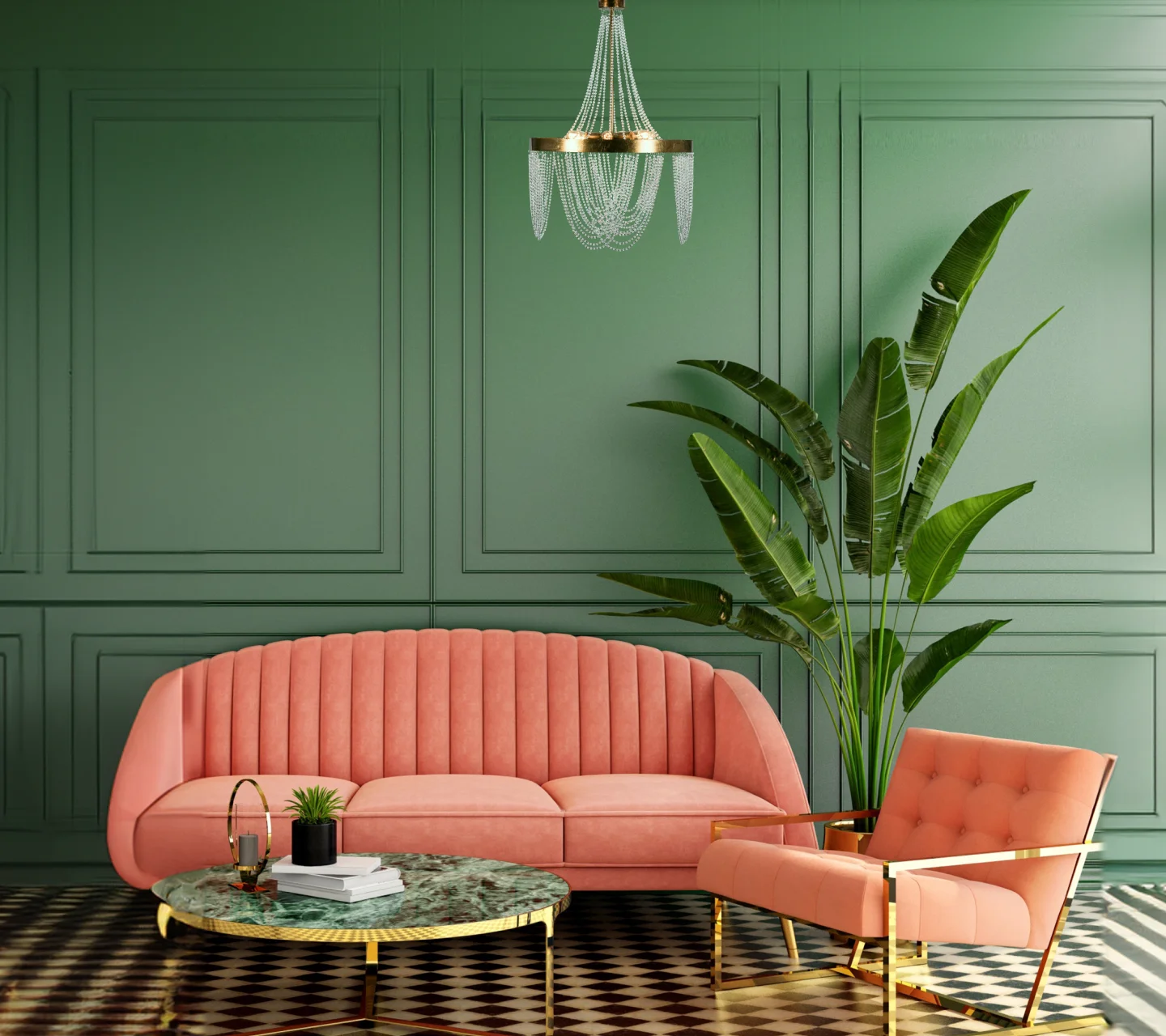
Light green is a good example of a colour that adds freshness without being overpowering. It creates a relaxed and natural feel, especially when combined with wooden furniture or indoor plants. Similarly,
soft yellow tones can make the living room feel warm and inviting without being too bright or distracting.
Light blue is another useful option. It gives the room a calm and steady feel, making it easier to relax. However, it is best used in lighter shades, as darker blues can sometimes make the room feel cold or closed.
Instead of painting all walls in these colours, you can use one wall as an accent or introduce them through cushions, curtains or rugs. This keeps the space balanced while still adding character.

Colours That Need Careful Use
Not all colours work well in a living room, especially when used in large amounts. Some shades can make the space feel too intense or uncomfortable if not handled properly.
Dark red is one such colour. While it can look rich and bold, it also carries a strong visual impact. In a space meant for relaxation and social interaction, too much red can feel overwhelming. If you like the colour, it is better used in small accents rather than on entire walls.
Black is another colour that needs caution. It absorbs light instead of reflecting it, which can make the room feel smaller and heavier. In most living rooms, especially those with limited space or light, large black surfaces can create a closed-in feeling.
Grey is commonly used in modern interiors, but using too much of it can make the room feel dull or lifeless. It works better when combined with warmer tones like beige or wood finishes to maintain some warmth.
Deep purple, while elegant in some settings, can also make a room feel tighter and less open. It is not the best choice for walls in a shared space like the living room.

Choosing the Right Colour Combinations
A good living room does not rely on a single colour. It is the combination of shades that creates a balanced and visually pleasing space.
One simple and effective combination is cream with light green. The cream keeps the room neutral and soft, while the green adds a touch of freshness. This works well in homes where you want a calm and natural look.
White and yellow is another combination that feels bright and cheerful. White balances the energy of yellow, preventing it from becoming too strong. This pairing is especially useful in homes that do not get much sunlight, as it helps make the space feel more lively.
Beige and blue create a more relaxed and grounded environment. Beige adds warmth, while blue introduces a calming effect. This combination works well in larger living rooms where you want a comfortable, easygoing atmosphere.
The key with any combination is to avoid extremes. Try not to use very dark colours as the main base, and keep the overall palette simple.
Practical Tips Before Finalising Colours
Before choosing a colour, it is important to consider how it will actually look in your home. Lighting plays a big role in how colours appear. A shade that looks good in a store or online may look completely different under your home’s lighting conditions.
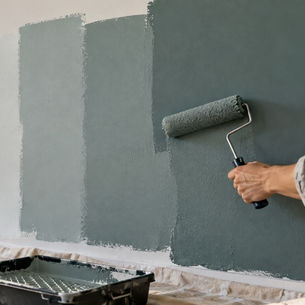
It is always a good idea to test a small patch on your wall and observe it at different times of the day. Natural light during the day and artificial light at night can change how the colour looks.
Also, consider the size of your living room. Lighter shades generally work better in smaller spaces, while slightly deeper tones can be used in larger rooms without making them feel cramped.
Furniture and décor should also be taken into account. If you already have bold furniture, it is better to keep the walls neutral. On the other hand, if your furniture is simple, you can experiment a bit more with wall colours.
Final Thoughts
Choosing the right living room colours as per Vastu does not have to be complicated. The main idea is to keep the space light, balanced and comfortable for everyday use.
Stick to lighter shades for the base, use colours in moderation and avoid going too dark or intense. When done right, even simple colour choices can make your living room feel more open, welcoming and easy to live in.
LIKE THIS ARTICLE
Give us a thumbs up!
TEXTURE FINISH
Royale Play special effects for the interior


Call us for Painting Services
 1800-209-5678
Are you looking for home interiors?
Get tailored made designs from our interior design services by asian paints.
Are you looking for home interiors?
Get tailored made designs from our interior design services by asian paints.
Fill the form below to book an appointment with an in house interior designer.