

Wood Furniture
Wood Colour Paint
How to Match Wood Finishes with Floors, Furniture, and Wall Colours
Wood has a unique way of bringing warmth, character, and timeless appeal into home interiors. Whether it is flooring, furniture, or decorative elements, the right interior wood finish can instantly elevate a space. However, when multiple wooden surfaces come together, achieving harmony becomes essential. Poor coordination between floors, furniture, and wall colours can make even well-designed spaces feel disjointed.
The good news is that matching wood finishes does not mean everything has to look identical. With the right balance of tones, textures, and finishes, you can create interiors that feel layered, cohesive, and visually appealing. This blog explores how to thoughtfully match wood finishes with floors, furniture, and wall colours for a well-designed home.
IN THIS ARTICLE
1. Understanding Wood Finishes and Tones
2. Why Matching Wood Finishes Matters
3. Coordinating Wood Finishes with Flooring
4. Matching Furniture with Wood Tones
5. Pairing Wood Finishes with Wall Colours
6. Choosing the Right Finish Type
7. Tips for Creating a Cohesive Look

Understanding Wood Finishes and Colour Tones in Home Interiors
Before matching different wooden elements, it is important to understand wood tones and finishes. Wood tones generally fall into three broad categories: warm, cool, and neutral. Warm tones include honey, teak, and reddish browns. Cool tones lean towards greys and muted browns, while neutral tones sit comfortably between the two.
The finish also matters. Matte finishes offer a subtle, understated look, while glossy finishes reflect light and feel more polished. The choice of wood colour paint or finish determines how light interacts with the surface and how prominent the grain appears.
Understanding these basics makes it easier to select compatible wood paint colors and finishes across different surfaces.

Why Mismatched Wood Finishes Can Disrupt Interior Design Harmony
When wood finishes clash, the room can feel visually confusing. For example, pairing a very warm wooden floor with cool-toned furniture can create an imbalance. Similarly, mixing too many contrasting wood shades without a clear plan can make interiors feel cluttered.
Mismatched finishes often draw attention to individual elements instead of allowing the space to flow naturally. Floors, furniture, and walls should work together rather than compete. A thoughtful approach ensures that each wooden element complements the others, creating a calm and cohesive environment.

How to Match Wood Finishes with Different Types of Flooring
Flooring forms the foundation of your interior design, so it is best to start there. Whether you are using wooden flooring or hardwood floor paint, the floor’s tone should guide other choices.
If your floor has a dark finish, lighter wood furniture helps balance the space and prevents it from feeling heavy. Medium-toned floors offer the most flexibility and work well with both light and dark furniture. For lighter floors, adding contrast with richer furniture tones creates depth and visual interest.
If you are using floor paint for wood, choose a shade that complements the furniture rather than matching it exactly. Slight variations in tone help create a more natural and layered look.
How to Coordinate Wood Finishes with Furniture Pieces
Furniture often becomes the focal point of a room, so coordination is key. Matching every piece of wood furniture perfectly can make the space feel flat. Instead, aim for harmony through undertones.
For example, if your flooring has warm undertones, choose furniture with similar warmth, even if the shade is lighter or darker. Mixing finishes works well when there is a unifying element, such as consistent grain patterns or complementary colours.
In open-plan spaces, repeating similar wood tones across different furniture pieces helps maintain visual continuity without making everything look uniform.

How to Match Wood Finishes with Wall Colours
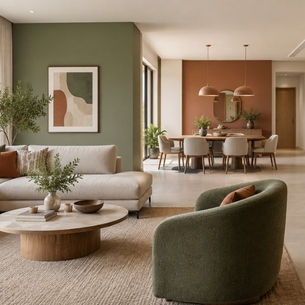
Wall colours play a major role in how wood finishes appear. Light wall colours allow wood textures and tones to stand out, while darker walls create a dramatic contrast.
Neutral walls pair beautifully with almost any colour for wood, making them a safe and versatile choice. Warm wall shades enhance warm wood tones, while cooler wall colours highlight grey or muted wood finishes.
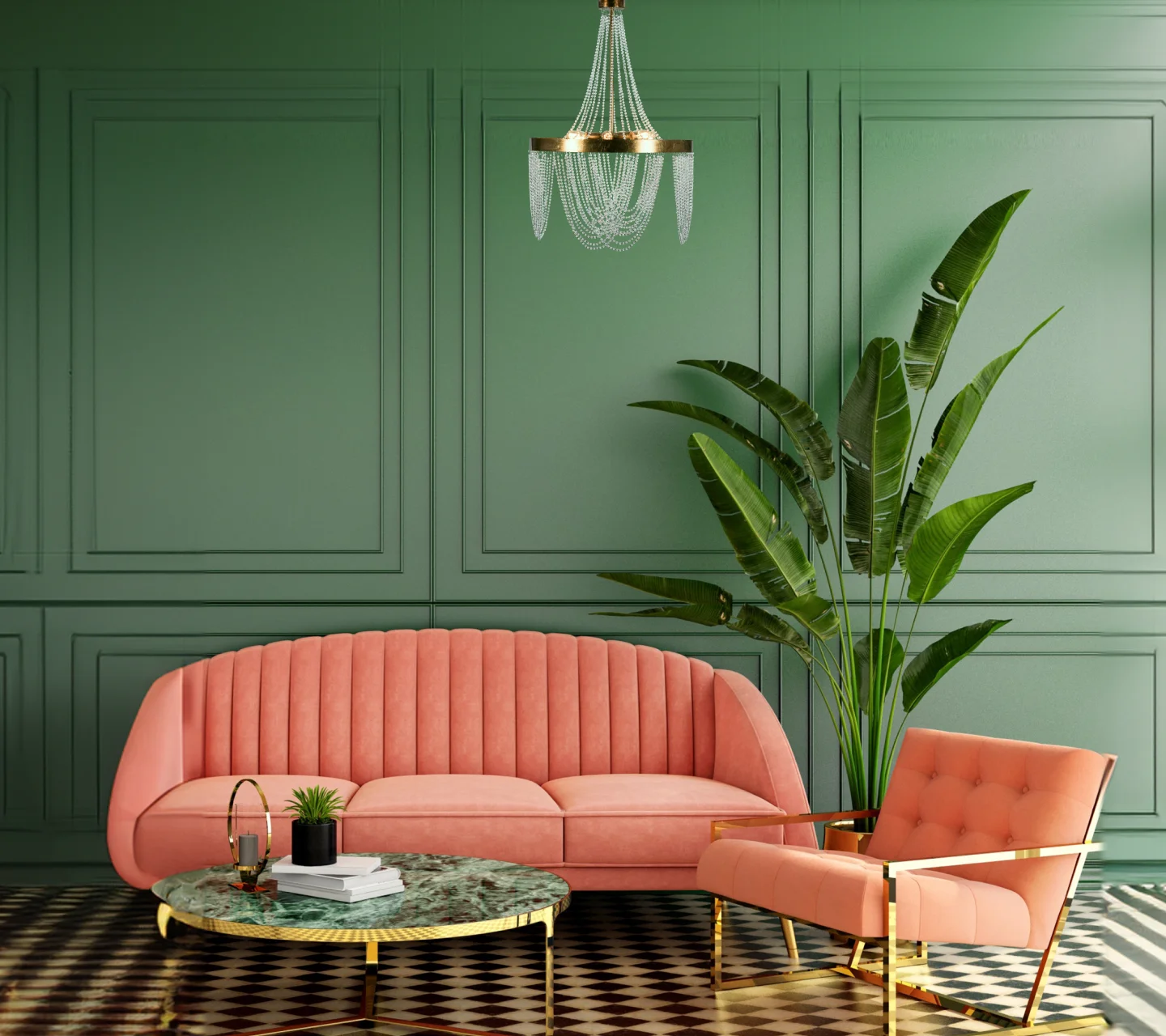
If you are using bold wall colours, keep wood finishes more subtle to avoid overwhelming the space. The goal is to let walls and wood complement each other rather than compete for attention.

Choosing the Right Type of Wood Finish for a Balanced Look
Different finishes suit different interior styles. Matte and satin finishes work well in modern and minimalist homes, offering a soft and refined appearance. Glossy finishes suit classic or formal interiors where a polished look is desired.
The right interior wood finish should align with the overall mood of the space. For high-traffic areas, durable finishes are practical and long-lasting. In quieter spaces like bedrooms, softer finishes create a relaxed atmosphere.
Choosing finishes thoughtfully ensures visual balance while meeting functional needs.

Practical Tips to Create a Cohesive Interior with Wood Finishes
One effective approach is to limit the number of wood tones in a single space. Two to three complementary tones usually work best. Repeating similar finishes across different elements helps tie the room together.
Using accessories like rugs, cushions, or décor items can help bridge gaps between contrasting wood finishes. Consistent use of metals, fabrics, and colours further strengthens the overall design.
Most importantly, view samples together before finalising choices. Seeing flooring, furniture, and wall colours side by side makes it easier to judge compatibility.
How Asian Paints Helps Create Well-Coordinated Wood Finishes in Interiors
Asian Paints offers a wide range of solutions that make coordinating wood finishes simple and effective. From versatile wood paint colors to durable floor and furniture finishes, Asian Paints helps homeowners achieve balanced and stylish interiors.
With expert guidance and thoughtfully designed shade collections, Asian Paints ensures that floors, furniture, and walls work together seamlessly. Whether you are refreshing existing spaces or designing a new home, Asian Paints supports you in creating interiors that feel cohesive, warm, and timeless.
FAQs
Can different wood finishes be used together in the same room?
Yes, different wood finishes can be used together as long as they share similar undertones or are balanced thoughtfully within the space.
Should wooden furniture match the floor exactly?
Exact matching is not necessary. Slight variations in tone create depth and make interiors look more natural and visually interesting.
Which wood finish works best with white or neutral walls?
Most wood finishes work well with neutral walls. Medium and warm tones are especially popular as they add warmth and contrast.
What wood finish complements modern interior colour schemes?
Clean, neutral finishes with matte or satin textures complement modern interiors and pair well with contemporary colour palettes.
LIKE THIS ARTICLE
Give us a thumbs up!
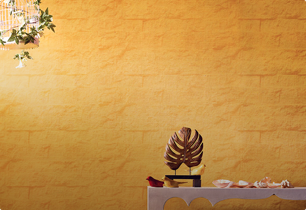
TEXTURE FINISH
Royale Play special effects for the interior


Call us for Painting Services
 1800-209-5678
Are you looking for home interiors?
Get tailored made designs from our interior design services by asian paints.
Are you looking for home interiors?
Get tailored made designs from our interior design services by asian paints.
Fill the form below to book an appointment with an in house interior designer.