

Minimalist Colour combination
Interior Paint
Transform Your Space with Minimalist Colour Combinations
Minimalist interiors have become increasingly popular for their ability to create spaces that feel calm, refined and clutter free. This design style focuses on simplicity and highlights only the most essential elements in a room. Clean lines, thoughtful décor and carefully chosen colours are key to achieving this look.
Among these elements, colour plays a crucial role. The right palette can bring balance to the room, highlight architectural features and create a peaceful atmosphere. Minimalist colour combinations usually rely on soft neutrals and muted shades that work together harmoniously.
If you are planning to refresh your interiors, here are some minimalist colour combinations that can bring a modern and elegant touch to your home.

1. White and Brown
White and brown is a timeless pairing that blends simplicity with warmth. White walls create a bright and open environment, while brown tones introduce depth and comfort.
This colour combination works beautifully in living rooms and bedrooms. Wooden furniture, jute rugs and linen fabrics complement the palette and help create a natural, grounded look.

2. Grey and White
Grey and white is a classic minimalist combination that brings a calm and contemporary feel to interiors. The cool tones of grey balance the crisp brightness of white, creating a soothing environment.
This palette is particularly well suited for bedrooms, as it promotes relaxation. Wooden accents or subtle metallic finishes can add warmth and visual interest to the space.

3. Cream and Brown
For those who prefer warmer tones over bright white, cream and brown is an excellent alternative. Cream offers the same light and airy feel as white but adds a touch of softness and comfort.
This palette works well in living rooms, bedrooms and bathrooms. You can enhance the look with accents in beige, green or soft grey for a balanced and inviting interior.

4. White and Taupe
Taupe is a versatile neutral that pairs effortlessly with white. The combination creates a refined and understated aesthetic that suits modern homes.
Using taupe in furniture, window treatments or accessories can prevent an all white room from feeling too stark. This palette is especially suitable for home offices or study areas where a calm and focused atmosphere is important.

5. Grey and Black
Grey and black create a bold yet sophisticated minimalist palette. Grey walls combined with black furniture or accents bring a sleek and contemporary character to the room.
This combination is often seen in modern or industrial interiors. Adding natural textures such as wooden elements or indoor plants can soften the look and make the space feel more welcoming.

6. Green and Brown
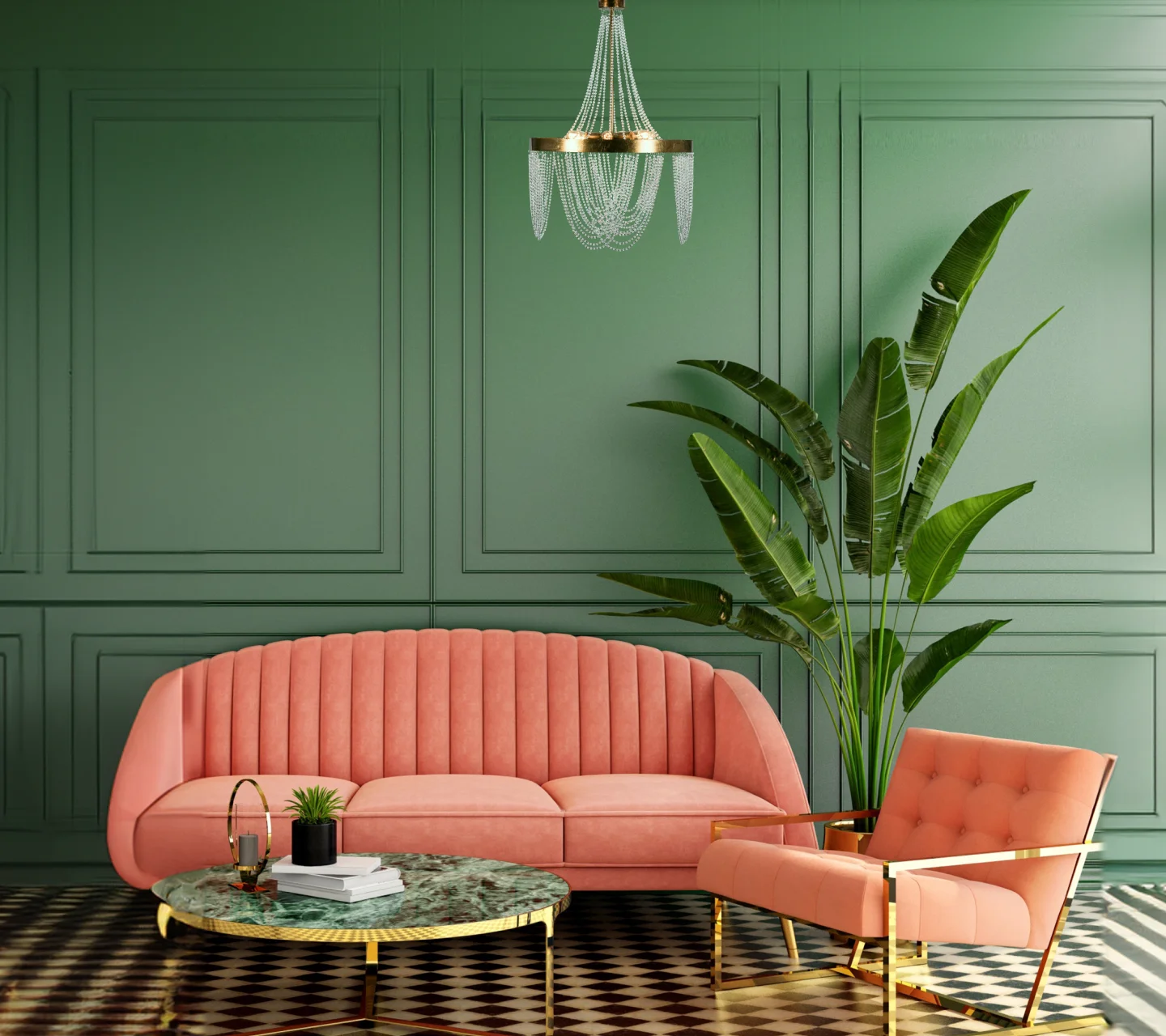
Green and brown together create a natural and refreshing environment inspired by the outdoors. Muted green walls paired with wooden furniture or brown flooring bring warmth and tranquillity to a room.
This palette works well in living spaces and bathrooms, especially if you want to create a spa like atmosphere. Indoor plants can further enhance the nature inspired aesthetic.

7. Beige and Soft Pink
Beige has become a favourite neutral for modern interiors because of its warmth and versatility. When paired with soft pink, it creates a gentle and elegant colour scheme.
Beige walls provide a calm backdrop, while pink accents add warmth and subtle charm. This combination works particularly well in bedrooms or cosy living spaces.

8. White and Blue
White and blue is a refreshing minimalist combination that can bring brightness and calmness to interiors. Lighter blues create a relaxed and serene environment, while darker blues add depth and contrast.
Using blue furniture or décor against white walls can create a striking focal point while maintaining a clean and uncluttered look.
Benefits of Minimalist Colour Schemes
Minimalist colour palettes offer several advantages in interior design.
Creates a calming atmosphere
Soft neutrals and muted shades help create peaceful spaces that feel comfortable and relaxing.
Highlights design elements
With fewer colours in the palette, other elements such as textures, furniture and décor become more noticeable.
Enhances visual balance
Minimalist colour combinations naturally create harmony and balance in a room, making the space feel cohesive.
Timeless and versatile
Neutral based palettes rarely go out of style and can easily adapt to changing décor trends.
Makes spaces appear larger
Light colours reflect more light, helping rooms appear brighter and more spacious.
How to Choose a Minimalist Colour Palette for Your Home
Creating a minimalist colour scheme does not have to be complicated. A few thoughtful steps can help you choose the right combination.
Start with neutral colours
Use shades such as white, beige, cream or grey as the base palette for the room.
Choose accent colours carefully
Introduce subtle accent colours like muted blue, soft pink or sage green to add interest without overwhelming the space.
Consider the mood of the room
Cool colours like blue and green work well in bedrooms and study areas, while warmer tones suit social spaces such as living rooms and dining areas.
Think about the room’s purpose
The function of the room can guide your colour choices. For example, calm colours work well for bedrooms, while warm and welcoming tones are ideal for common areas.
Test colours before finalising
Paint samples on the wall and observe them in different lighting conditions to ensure the colour looks right throughout the day.
Minimalist colour combinations offer a simple yet effective way to refresh your interiors. By focusing on a balanced palette and thoughtful design choices, you can create spaces that feel calm, elegant and timeless. With a wide range of interior paint shades from Asian Paints, it becomes easier to explore minimalist colour palettes that suit your home and personal style.
LIKE THIS ARTICLE
Give us a thumbs up!
TEXTURE FINISH
Royale Play special effects for the interior


Call us for Painting Services
 1800-209-5678
Are you looking for home interiors?
Get tailored made designs from our interior design services by asian paints.
Are you looking for home interiors?
Get tailored made designs from our interior design services by asian paints.
Fill the form below to book an appointment with an in house interior designer.