

TRENDING
Waterproofing
Waterproofing Service
Seepage Meaning Explained: Causes, Signs, Effects and How to Stop Wall Seepage
A damp patch on the wall is easy to dismiss. You may think it is just old paint or something that will disappear once the weather improves. But when moisture keeps finding its way into a wall, it usually points to a problem that needs attention.
So, what does seepage actually mean? In simple terms, seepage is the movement of water through building surfaces such as walls, ceilings, floors or masonry. The water may come from rain, a leaking pipe, a terrace, a bathroom or even moisture rising from the ground. Finding the source is the first step towards treating it properly.
What is Seepage? Understanding the Meaning of Seepage

Seepage happens when water enters a building through cracks, porous surfaces, joints or areas where waterproofing is no longer doing its job. Unlike a visible water leakage, where water may drip or flow from a specific point, seepage can be slow and difficult to trace.
How Water Seepage Occurs in Buildings
Water does not always appear where it enters. For example, rainwater may enter through a crack on an external wall and travel through the masonry before a damp patch becomes visible inside. Similarly, a concealed plumbing leak may leave a stain some distance away from the actual pipe.
Common Areas Where Seepage Occurs
Terraces, bathrooms, balconies, kitchens, external walls and ceilings below wet areas are common trouble spots. Walls around windows and plumbing lines also deserve attention.
Why Seepage Should Not Be Ignored
The longer a wall remains exposed to moisture, the more likely it is that paint, plaster and other finishes will deteriorate. Persistent moisture can also create conditions suitable for mould growth and wall fungus. Treating the visible patch without addressing its source usually means the problem will return.
Seepage vs Dampness: What's the Difference?
Seepage | Dampness |
Usually involves water entering or travelling through a building surface | Refers to excess moisture present in a surface or space |
Often associated with rain, leaks, cracks or waterproofing failure | Can also result from condensation, humidity or poor ventilation |
Usually needs the source of water to be identified | Treatment depends on the reason for the moisture |
What Causes Seepage?
Seepage generally has a source of water behind or outside the affected surface. A leaking pipe, cracked terrace or damaged external wall are common examples.
What Causes Dampness?
Dampness has a wider range of causes. Condensation, high indoor humidity, inadequate ventilation and moisture from the ground can all contribute.

Key Differences Between Seepage and Dampness
Water Seepage and Dampness conditions can look similar, but they are not necessarily caused by the same problem. A damp bathroom may have poor ventilation, while a damp patch on the ceiling after rain could indicate terrace seepage. That distinction matters because the treatment needs to address the actual cause.
Common Causes of Wall Seepage

Terrace and Roof Leakages
Terraces take the brunt of rain and weather exposure. Cracks, damaged waterproofing, poor drainage or water collecting on the surface can eventually allow moisture to reach the ceiling below.
External Wall Cracks and Rainwater Ingress
Even relatively small cracks can become entry points for rainwater. Areas around windows, corners, joints and pipes are particularly worth checking.
Hidden Plumbing and Pipe Leakages
A concealed pipe that develops a leak can keep a wall wet for weeks without any obvious dripping. If the damp patch is close to a bathroom, kitchen or plumbing line, the source should be investigated before any surface repair is attempted.
Poor or Failed Waterproofing Systems
Waterproofing solution is not a one-time solution that can be ignored indefinitely. Exposure, ageing, movement and poor installation can compromise a system over time, allowing water to find its way into the structure.
Groundwater and Foundation Moisture
Moisture from the ground can move into walls, particularly in lower portions of buildings. This type of problem often requires a different approach from rain-related seepage.
Signs of Wall Seepage

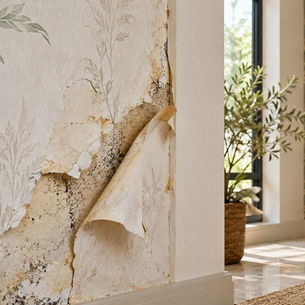
Damp Patches and Water Stains
Yellowish, brownish or irregular patches on walls and ceilings are common warning signs. If they become more noticeable after rainfall, an external source is worth investigating.
Peeling, Bubbling and Flaking Paint
When moisture gets behind a painted surface, the paint may lose adhesion. Bubbling, peeling and flaking are often signs that the surface is not staying dry.
White Salt Deposits (Efflorescence)
Those white, powdery marks on masonry are known as efflorescence. They form when moisture moves through the material and brings dissolved salts to the surface.
Mould Growth and Musty Odours
A persistent musty smell or patches of mould can indicate prolonged moisture. Mould should not simply be painted over because the underlying moisture problem still needs to be dealt with.
Weakening Plaster and Surface Damage
With continued exposure to moisture, plaster may become soft, powdery or detached from the wall. At this stage, cosmetic repairs alone are unlikely to be enough.
Effects of Seepage on Homes and Buildings

Damage to Paints and Decorative Finishes
The first visible damage is often cosmetic. Paint discolours, peels or develops blisters, while wallpapers and other decorative finishes may also be affected.
Structural Deterioration of Walls
Persistent moisture can gradually affect plaster and masonry. The extent of damage depends on the source, the duration of exposure and the construction of the affected area.
Health Risks Due to Mould and Fungal Growth
Damp conditions can encourage mould and fungal growth. Keeping indoor surfaces dry and resolving recurring moisture problems is therefore important for maintaining a comfortable living environment.
Damage to Furniture and Interior Décor
Furniture placed against persistently damp walls can develop stains, odours or moisture-related damage. Wooden surfaces and fabrics are particularly vulnerable.
How to Identify the Source of Wall Seepage

Checking Interior Walls and Ceilings
Start by noting where the problem appears and when it becomes worse. A patch that grows after rain points to a different source than one that remains wet throughout the year.
Inspecting Exterior Walls
Look for cracks, damaged joints, gaps around windows and places where rainwater may collect or enter.
Assessing Roofs and Terraces
Check for visible cracks, blocked drains, damaged waterproofing and areas where water tends to stand after rain.
Detecting Plumbing-Related Leaks
If seepage is concentrated around bathrooms, kitchens or plumbing routes, the pipes should be checked. Concealed leaks may require professional detection rather than guesswork.
How to Stop Wall Seepage Effectively

Repairing Wall Cracks and Gaps
Once the source is confirmed, suitable cracks and gaps should be repaired with the appropriate material. Simply filling a visible crack without understanding why it formed may only provide a temporary fix.
Fixing Plumbing Leaks
A leaking pipe needs to be repaired or replaced. Surface treatment cannot compensate for water that is still entering the wall from a plumbing system.
Waterproofing Roofs and Terraces
If the source is a roof or terrace, the waterproofing system needs to be assessed and repaired or renewed as required. Drainage should also be checked so rainwater does not remain stagnant.
Treating External Walls Against Water Ingress
External walls exposed to driving rain may require crack repair and a suitable protective or waterproofing treatment to reduce water penetration.
Using Professional Waterproofing Solutions
When seepage keeps returning, appears in several locations or has an unclear source, professional assessment is often the sensible route. The right solution depends on where the water is coming from, not simply where the stain appears.
Can Paints Solve Seepage Problems?
Why Painting Over Seepage Doesn't Work
A fresh coat of paint may hide a stain for a while, but it cannot stop water from entering the wall. If the source remains, the paint is likely to peel or bubble again.
Waterproofing Before Repainting
The source of moisture should be addressed first. The affected surface can then be allowed to dry, repaired and prepared properly before repainting.

Choosing the Right Paint After Seepage Treatment
Once the wall is dry and the underlying problem has been resolved, use a suitable paint system based on whether the surface is interior or exterior and follow the recommended preparation process.
How to Prevent Wall Seepage in the Future
Regular Waterproofing Maintenance
Waterproofed areas should be inspected periodically, particularly before and after the monsoon season.
Timely Crack and Leak Repairs
Small cracks and plumbing issues are easier to deal with before they turn into recurring seepage problems.

Proper Roof and Drainage Maintenance
Keep terrace drains, rainwater outlets and other drainage paths clear. Good drainage reduces the amount of time water remains in contact with exposed surfaces.
Routine Plumbing Inspections
Checking plumbing connections and exposed pipes periodically can help catch leaks before they cause hidden damage.
Frequently Asked Questions
What is the meaning of seepage in walls?
Wall seepage is the movement of water or moisture into or through a wall. It commonly results from rainwater ingress, plumbing leaks, cracks or failed waterproofing.
What is the difference between seepage and dampness?
Seepage usually involves water entering or travelling through a building surface, while dampness is a broader term for unwanted moisture. Their causes can overlap, but they may require different treatments.
What causes wall seepage?
Common causes include terrace and roof leaks, external wall cracks, plumbing leaks, failed waterproofing and moisture rising from the ground.
Can seepage be permanently fixed?
A seepage problem can often be resolved for the long term when its actual source is correctly identified and treated. The solution depends on whether the cause is plumbing, rainwater, waterproofing or another moisture source.
Is waterproofing necessary for seepage problems?
Not in every case. Plumbing seepage, for example, needs a plumbing repair. But when water is entering through a terrace, roof, balcony or external wall, suitable waterproofing may be an important part of the solution.
Can painting over seepage solve the issue?
No. Paint can improve the appearance of a wall, but it cannot stop an active source of moisture. The water leakage or seepage should be fixed first, followed by proper surface preparation and repainting.
LIKE THIS ARTICLE
Give us a thumbs up!

TEXTURE FINISH
Royale Play special effects for the interior


Call us for Painting Services
 1800-209-5678
Are you looking for home interiors?
Get tailored made designs from our interior design services by asian paints.
Are you looking for home interiors?
Get tailored made designs from our interior design services by asian paints.
Fill the form below to book an appointment with an in house interior designer.