

Textured Painting
Painting services
Texture Paint for Curved Walls, Niches and Architectural Features
Curved walls, niches, arches and columns can give a home a distinctive architectural character. But these features can sometimes be difficult to highlight with colour alone. A well-chosen wall texture can add depth, define the shape of the feature and make it an intentional part of the interior design.
From subtle finishes that add quiet visual interest to bold texture paint designs that create a focal point, the right treatment depends on the shape, size, lighting and overall style of the space.
IN THIS ARTICLE
Why Texture Paint Works Well on Architectural Features
Understanding Architectural Features That Benefit from Texture Paint
Choosing the Right Texture Finish
Texture Paint Ideas for Curved Walls
Texture Paint Ideas for Niches and Alcoves
Texture Paint Ideas for Arches and Architectural Openings
How Lighting Affects Textured Architectural Surfaces
Why Texture Paint Works Well on Architectural Features
Architectural details already have shape and dimension. Texture can enhance these qualities instead of making the feature disappear into a flat wall.

Adding Depth and Dimension
A textured wall has variations across its surface that interact with light and shadow. This can make a curved or recessed feature more visually prominent.
On a curved wall, for example, a fine texture can emphasise the movement of the surface without overwhelming its form.
Highlighting Unique Design Elements
Niches, arches and columns can become natural focal points when treated differently from the surrounding walls.
A contrasting shade or texture can draw attention to a display niche, while a subtle finish can define an architectural curve without making it the centre of attention.
Understanding Architectural Features That Benefit from Texture Paint
Not every architectural feature needs a heavily textured finish. The scale and shape of the feature should guide the choice.

Curved Walls
Curved walls can look particularly interesting with finishes that follow their contours. Fine or medium textures can emphasise the curve while maintaining a cohesive appearance.
Avoid overly heavy patterns on tight curves unless the product and application method are specifically suitable for the surface.
Niches and Alcoves
A niche is an ideal location for experimenting with wall texture. Since the area is usually smaller, you can introduce a deeper colour or more noticeable texture without affecting the entire room.
Texture can also make a recessed space appear more defined.
Arches and Openings
Arches naturally draw the eye because of their shape. Applying a distinctive wall texture around an arch can turn an ordinary passage or doorway into a design feature.
A monochromatic approach can keep the effect elegant, while a contrasting colour can create a stronger statement.
Columns and Pillars
Columns can be treated as individual design elements using texture and colour.
A subtle texture can help integrate a column with the rest of the room, while a bolder finish can make it a decorative focal point.
Choosing the Right Texture Finish
The texture should complement the architectural feature rather than compete with it.

Fine Textures for Subtle Elegance
Fine textures work well when you want to add dimension without creating a highly noticeable pattern.
They can be particularly suitable for curved surfaces, small niches and minimalist interiors.
Medium Textures for Visual Interest
Medium textures provide a more visible surface effect while remaining versatile.
They can work well on accent walls, larger niches and architectural features where you want the texture to be noticeable from across the room.
Bold Textures for Statement Features
Bold textures are designed to attract attention. They can create dramatic feature walls and make architectural elements stand out.
Use them selectively. A strong texture on several nearby surfaces can make a room feel visually busy.
Texture Paint Ideas for Curved Walls
The shape of a curved wall provides an opportunity to experiment with finishes that change subtly as light moves across the surface.

Contemporary Smooth Textures
A smooth or finely textured finish can give a curved wall a contemporary appearance while preserving the simplicity of its shape.
Neutral colours work especially well when the aim is to highlight the architecture rather than the texture itself.
Concrete and Stone-Inspired Finishes
Concrete and stone-inspired effects can add an earthy, architectural quality to curved surfaces.
They work well in contemporary spaces, particularly when paired with wood, metal or natural materials.
Metallic Texture Effects
Metallic effects can create a more decorative finish by reflecting light across the textured surface.
They are best used thoughtfully, particularly on smaller architectural elements where the finish can become a focal detail.
Texture Paint Ideas for Niches and Alcoves
A niche does not have to disappear into the background. Texture can make it an intentional part of the room's design.

Creating Contrast Within Recessed Spaces
One simple approach is to use a textured finish in a slightly darker or lighter shade than the surrounding wall.
This creates depth without requiring a completely different colour palette.
Highlighting Display Areas and Shelves
A textured background can draw attention to artwork, sculptures, books or decorative objects placed inside a niche.
Choose a texture that supports the objects rather than competing with them. Fine or medium textures are often easier to coordinate with detailed displays.
Texture Paint Ideas for Arches and Architectural Openings
Arches can be enhanced by treating the surrounding surface differently from the main walls.

Statement Entryways
A textured finish around an entrance can make the transition between spaces feel more deliberate.
For a restrained look, use a similar colour to the adjoining wall. For a stronger design statement, choose a contrasting shade or texture.
Texture and Colour Combinations
Colour can change how prominently the texture is perceived.
A tone-on-tone combination keeps the look subtle, while stronger contrast makes the architectural feature more noticeable. Consider the colours already present in the room before selecting the combination.
How Lighting Affects Textured Architectural Surfaces
Lighting is one of the most important considerations when choosing a wall texture.

Natural Light Effects
As daylight changes throughout the day, shadows can move across a textured surface and alter its appearance.
A texture that looks subtle in soft light may appear more pronounced when direct sunlight falls across it.
Accent Lighting for Texture Enhancement
Directional lighting can emphasise the highs and lows of a textured surface.
Wall washers and other carefully positioned lights can create interesting shadows, but strong lighting on a heavily textured surface may also exaggerate imperfections. Plan the lighting and texture together wherever possible.
Choosing Colours for Textured Architectural Features
Colour and texture work together. A good colour combination can enhance an architectural feature without making it feel disconnected from the room.
Monochromatic Designs
Using different shades from the same colour family creates a coordinated appearance.
For example, a slightly deeper shade on a textured niche against a lighter wall can add depth while keeping the overall palette cohesive.
Contrasting Accent Finishes
A contrasting colour can turn a niche, arch or column into a strong focal point.
Use contrast when you want the architectural element to stand out. If the feature is already prominent because of its size or shape, a softer colour difference may be enough.
Neutral and Earthy Texture Palettes
Beige, warm grey, terracotta, muted green and other earthy tones can work well with textured surfaces.
These colours pair naturally with wood, stone, metal and other materials commonly used in modern interiors.
Frequently Asked Questions
Can texture paint be applied on curved walls?
Yes, suitable texture finishes can be applied to curved walls, provided the surface is properly prepared and the selected product and application method are appropriate for the shape and substrate.
Which texture finish works best for niches and alcoves?
Fine to medium textures are versatile choices for niches and alcoves. The ideal option depends on the size of the recess, lighting and whether you want the niche to be subtle or a focal point.
Does lighting affect how texture paint appears?
Yes. Light creates highlights and shadows across textured surfaces, which can make the texture appear more or less prominent at different times of day.
Can textured architectural features be repainted later?
Many textured surfaces can be repainted, but the preparation and final appearance depend on the type and condition of the existing texture. A professional assessment may be useful before applying a new finish.
Are textured finishes difficult to maintain?
Maintenance depends on the type and depth of texture. Deeper textures may collect more dust than smoother finishes, so consider the location and accessibility of the feature before selecting a heavily textured design.
Which colours work best with textured architectural elements?
There is no single best colour. Neutrals and earthy shades are versatile choices, while deeper or contrasting colours can make the feature more prominent. Consider the room's lighting, furniture and existing colour palette before deciding.
The best wall texture is one that works with the architecture rather than competing with it. For curved walls, niches, arches and columns, consider the surface shape, texture depth, lighting and colour together. With the right combination, even a small architectural detail can become a thoughtful part of the overall interior design.
LIKE THIS ARTICLE
Give us a thumbs up!
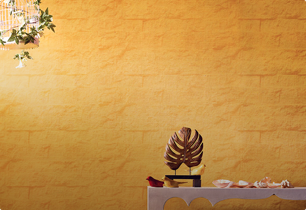
TEXTURE FINISH
Royale Play special effects for the interior


Call us for Painting Services
 1800-209-5678
Are you looking for home interiors?
Get tailored made designs from our interior design services by asian paints.
Are you looking for home interiors?
Get tailored made designs from our interior design services by asian paints.
Fill the form below to book an appointment with an in house interior designer.