

Wallpapers
Wallpapers for Home
Wallpaper Materials Explained: Which Type Offers the Best Quality?
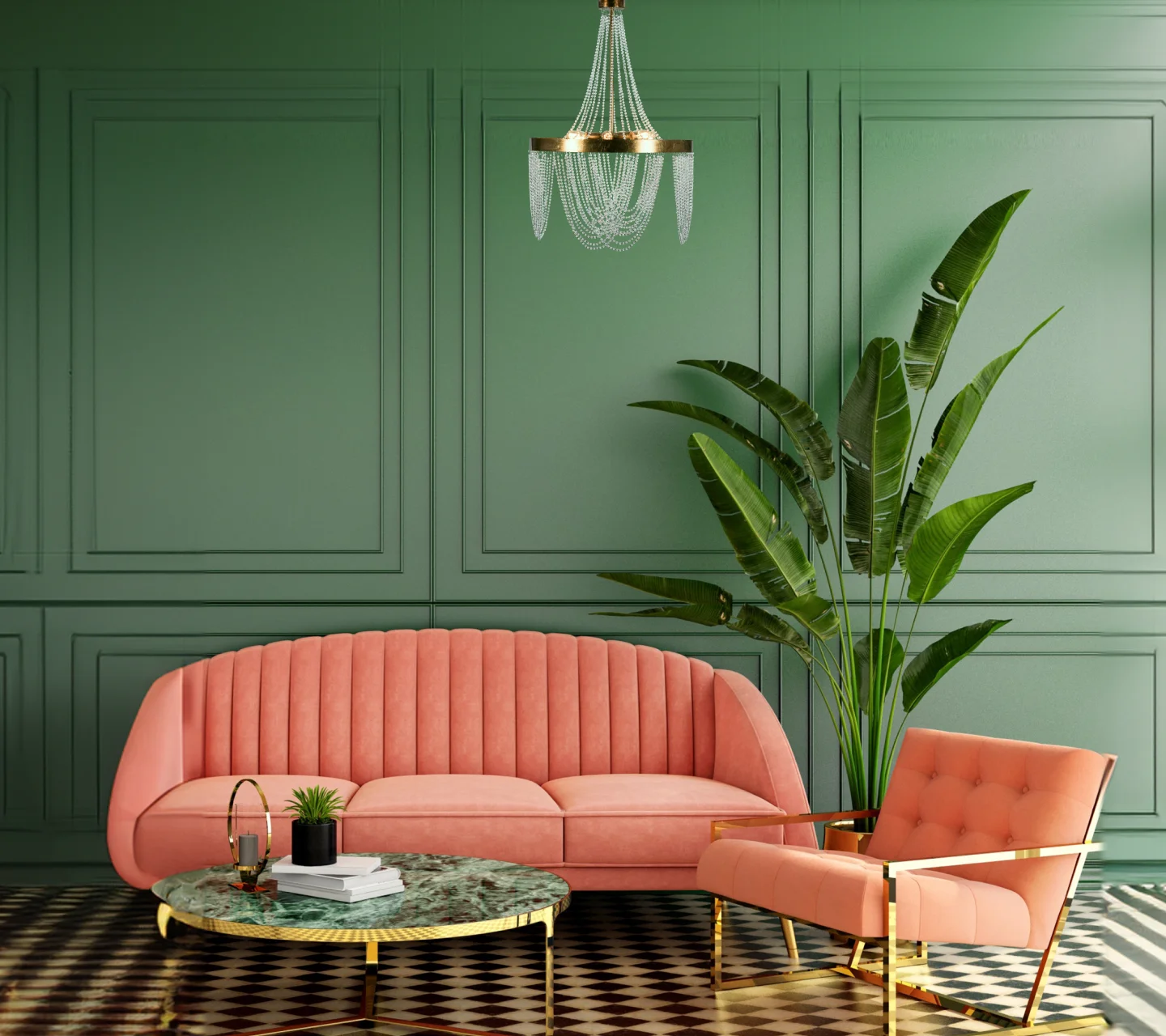
There is a reason wallpaper has made such a strong comeback in home interiors. It can change a room without changing everything in it. A plain bedroom can feel warmer with a soft textured wall. A dining area can feel more considered with a subtle pattern. Even a small corner can become a focal point with the right print.
But there is one part of choosing wallpaper that is easy to overlook: the material.
Look beyond the pattern and you will find several options, each with its own strengths. Vinyl wallpaper is known for being practical, paper has a classic appeal, non-woven wallpaper is popular for its versatility, while fabric and specialty finishes bring texture and character.
So, which one is actually better? Rather than looking for one universal winner, it makes more sense to ask what works best for your room.
IN THIS ARTICLE
What Are Wallpaper Materials? Understanding the Basics
Different Types of Wallpaper Materials
How Different Wallpaper Materials Compare
Which Wallpaper Material Is Best for Different Rooms?
How to Choose Good-Quality Wallpaper
What Should You Consider Before Buying Wallpaper?
Wallpaper Material Comparison: Which One Offers the Best Quality?
What Are Wallpaper Materials? Understanding the Basics
The material is the foundation of the wallpaper. It affects how it feels, how it looks on the wall, how much care it needs and how well it holds up over time.
That is why the material deserves as much attention as the design.
Why Wallpaper Material Matters
A wallpaper that works beautifully behind a bed may not be the right choice for a dining area. A delicate textured finish can look stunning in a formal living room, but may not be the easiest thing to maintain in a busy home.
The right material should fit the way the room is actually used, not just the way you want it to look in a photograph.
How Wallpaper Materials Affect Durability and Appearance
Material can make a noticeable difference to the finished wall. It can determine whether the surface feels smooth or textured, whether light reflects off it or is absorbed, and how the colours and patterns come through.
It also affects practical things such as cleaning, installation and removal. In other words, choosing wallpaper is partly a design decision and partly a practical one.
Different Types of Wallpaper Materials

Vinyl Wallpaper
If you want wallpaper that can keep up with everyday life, vinyl is a good place to start. The surface is generally more resistant to marks and, depending on the product, can be wiped clean.
That makes vinyl wallpaper particularly useful in rooms that get a fair amount of use. It is not limited to plain or utilitarian designs either. There are plenty of prints, colours and textures available, so practicality does not have to come at the expense of style.
Paper Wallpaper
Paper wallpaper has a certain charm that is difficult to replicate. It works particularly well when you want a wall to feel soft, classic and decorative.
It is available in countless prints and colours, from delicate florals to more contemporary patterns. The downside is that paper tends to be less forgiving. It needs more careful handling and is generally not the first choice for areas where moisture or frequent cleaning is expected.
Non-Woven Wallpaper
Non-woven wallpaper has become a popular option for a reason. Made from a blend of fibres, it tends to be stable and relatively easy to work with.
For homeowners, one of its biggest attractions is convenience. Many non-woven wallpapers are easier to install and remove than traditional paper-based options. They also come in enough colours, patterns and textures to suit everything from a minimalist bedroom to a statement living room.
Fabric Wallpaper
Fabric wallpaper changes the conversation from colour to texture. Run your hand over it and the difference is immediately noticeable.
It can give a bedroom or living room a richer, more layered appearance and works particularly well when you want the wall itself to feel like part of the décor. Fabric finishes do, however, tend to need more care, so they are best chosen with maintenance in mind.
Foil and Metallic Wallpaper
For something with a little more drama, there are foil and metallic wallpapers. Their reflective surfaces catch the light and can make a room feel brighter or more glamorous.
They are particularly effective when used as an accent rather than everywhere. A metallic wall behind a dining table, for instance, can make the space feel special without overwhelming it.
Natural and Specialty Wallpaper Materials
Then there are wallpapers made with natural fibres and other specialty materials. These are less about creating a perfectly uniform surface and more about bringing character to the wall.
Natural textures can make an interior feel warmer and more connected to organic materials. They are beautiful choices for feature walls, although they may require more careful maintenance than everyday wallpaper.
How Different Wallpaper Materials Compare
Choosing between materials becomes easier when you look at the things that matter after the wallpaper has been installed.
Material | Durability | Moisture Resistance | Maintenance and Cleaning | Appearance and Finish | Ideal Use |
Vinyl | High, depending on product | Good to moderate | Usually easy | Smooth or textured | Living rooms, dining areas |
Paper | Moderate | Limited | Needs gentle care | Soft, printed, matte | Bedrooms |
Non-Woven | Good | Depends on finish | Relatively easy | Versatile | Living rooms, bedrooms |
Fabric | Moderate | Generally limited | More delicate | Rich and textured | Bedrooms, feature walls |
Foil/Metallic | Moderate | Varies | Gentle cleaning | Reflective | Accent walls |
Natural/Specialty | Varies | Generally limited | Careful maintenance | Organic and textured | Statement walls |

Durability
Durability is not just about how thick the wallpaper feels. It is about whether the material is suited to the room.
Vinyl and non-woven options are often considered when everyday wear is a concern. But installation quality, wall preparation, sunlight and general room conditions also play a role in how well wallpaper lasts.
Moisture Resistance
This is an area where it is worth reading the product details rather than making assumptions.
A wallpaper that can be wiped with a damp cloth is not necessarily waterproof. If you are considering wallpaper near a sink or in a humid area, check whether the particular product is designed for those conditions.
Maintenance and Cleaning
Think about the life of the wall after installation. Will it need regular cleaning? Is it in a room where children or pets spend time?
If the answer is yes, a washable surface may be worth prioritising. More delicate materials can still work beautifully, but they may need a gentler approach.
Installation and Removal
The installation process varies between materials. Non-woven wallpaper can be relatively straightforward to handle, while delicate textures and specialty finishes may be better left to an experienced installer.
Good installation also matters aesthetically. Even an excellent wallpaper will not look its best if the wall has not been prepared properly.
Appearance and Finish
This is where personal taste takes over. A matte finish can feel quiet and understated. Texture adds depth. Metallic surfaces bring light and movement to a wall.
If you are unsure, always look at a physical sample. Wallpaper can look very different when it covers an entire wall rather than appearing as a small image on a screen.
Suitability for Different Rooms
The best wallpaper material is closely tied to the room. A bedroom gives you more freedom to experiment with delicate textures, while a busy living or dining area may call for something more practical.
Which Wallpaper Material Is Best for Different Rooms?

Best Wallpaper Material for Living Rooms
The living room is probably the easiest place to experiment with wallpaper. It can handle everything from a subtle textured finish to a bold feature wall.
Vinyl and non-woven wallpapers are practical choices for everyday spaces, while a textured or metallic finish can work when you want to make one wall the centre of attention.
Best Wallpaper Material for Bedrooms
Bedrooms are where wallpaper can become more personal. A soft pattern, muted print or tactile fabric finish can change the mood of the room without making it feel over-designed.
Paper, non-woven and fabric wallpapers can all work here. The choice largely comes down to the look and feel you want.
Best Wallpaper Material for Dining Areas
A dining area is a good place to introduce a little more personality. A patterned wallpaper can frame the dining table, while a metallic finish can add warmth when the lights are on in the evening.
For everyday practicality, choose a material that suits the amount of cleaning and use the wall is likely to experience.
Best Wallpaper Material for Children's Rooms
Children's rooms need a little more thought. The wallpaper should be able to cope with everyday life, but the design should not be so specific that it feels outdated as your child grows.
A durable, easy-to-maintain material paired with a pattern that can age well is often a sensible combination.
Best Wallpaper Material for High-Moisture Areas
This is one area where you should not choose based on appearance alone. Not every wallpaper is suitable for high-moisture environments.
If you are considering wallpaper for a bathroom or another humid area, check the manufacturer's recommendations carefully. In some cases, another wall finish may be more appropriate.
How to Choose Good-Quality Wallpaper

Check the Wallpaper Material and Thickness
Start by finding out what the wallpaper is actually made from. Thickness can tell you something about the construction, but thicker does not automatically mean better.
The more important question is whether the material is appropriate for the wall and the room.
Look at the Finish and Print Quality
Take a close look at the sample. Are the lines in the pattern clean? Are the colours consistent? Does the texture feel intentional and well finished?
These details might seem minor when you are holding a small sample, but they become much more noticeable once the design is repeated across a wall.
Consider Durability and Maintenance
Be honest about how much maintenance you are willing to do.
If you want to install the wallpaper and largely forget about it, choose accordingly. If you are happy to give a feature wall a little more attention, you have more freedom to explore delicate materials.
Check Moisture and Light Resistance
A wall exposed to strong afternoon sunlight has different requirements from one tucked away in a darker corner. The same goes for walls close to moisture.
Check the product information before making your final choice, particularly if the room has challenging conditions.
Ask for Samples Before Choosing
This is perhaps the simplest piece of advice: do not choose wallpaper from a tiny image alone.
Get a sample and live with it for a while. Look at it in daylight, switch on the room lights and place it next to your furniture. You will get a much better idea of whether it really belongs in the room.
What Should You Consider Before Buying Wallpaper?

Room Size and Wall Condition
Wallpaper does not hide every wall problem. Cracks, dampness and uneven surfaces should be dealt with before installation.
The size of the room matters too. A large pattern can become a striking focal point, but it can also feel busy if the room already has a lot going on.
Colour, Pattern and Overall Décor
Think about the room as a whole. Your wallpaper does not have to match everything, but it should sit comfortably alongside your furniture, flooring, curtains and lighting.
Sometimes the best choice is the one that quietly ties everything together.
Installation Requirements
Check how the wallpaper needs to be installed and whether professional installation is recommended. Ask about wall preparation as well.
A good-quality wallpaper deserves a properly prepared surface.
Maintenance and Expected Lifespan
Consider how long you want the wallpaper to stay and what sort of care you are comfortable with. This can help you decide whether a more delicate decorative material or a practical washable option makes sense.
Budget and Long-Term Value
Price is important, but it should not be the only number you look at.
Include installation, wastage and maintenance when comparing options. A slightly more expensive wallpaper that suits the room and lasts well may make more sense than replacing an unsuitable option later.
Where to Buy Good-Quality Wallpaper Online and Locally?
Buy from a trusted brand or authorised retailer where you can get clear information about the material, finish, installation and care requirements.
Asian Paints offers a range of wall décor options for different interior styles. You can explore wallpapers online or visit an Asian Paints store or authorised dealer to see designs and finishes more closely before making your choice.
Wallpaper Material Comparison: Which One Offers the Best Quality?
Material | Durability | Maintenance | Moisture Resistance | Finish | Ideal Use |
Vinyl | High | Easy on suitable products | Good to moderate | Smooth, textured | Busy living spaces |
Paper | Moderate | More care required | Low | Soft, decorative | Bedrooms |
Non-Woven | Good | Relatively easy | Depends on product | Versatile | Most home interiors |
Fabric | Moderate | Delicate | Low | Rich, tactile | Bedrooms, feature walls |
Foil/Metallic | Moderate | Gentle care | Varies | Reflective | Dining and accent walls |
Natural/Specialty | Varies | More delicate | Generally low | Organic, textured | Statement spaces
|
So, which one offers the best quality?
It depends on what you expect from your wallpaper. If easy maintenance is high on your list, vinyl may be the practical route. If you want something versatile and convenient to install, non-woven wallpaper is worth considering. If your priority is texture and visual richness, fabric or specialty materials may be more appropriate.
Good quality is not simply about choosing the most expensive material. It is about choosing a wallpaper that performs well in the room and still looks at home there.
Frequently Asked Questions
Which wallpaper material is the most durable?
Vinyl and non-woven wallpapers are commonly chosen when durability is important. However, the quality of the particular wallpaper, installation and room conditions all affect its performance.
Which type of wallpaper is best for home interiors?
There is no single material that suits every room. Vinyl and non-woven wallpapers are versatile choices, while paper and fabric can work particularly well when the decorative finish is the main priority.
Is vinyl or non-woven wallpaper better?
They serve slightly different needs. Vinyl can be a good choice when easy cleaning and everyday practicality matter. Non-woven wallpaper is valued for its versatility and convenient handling. Your room and priorities should guide the decision.
Which wallpaper is easiest to maintain?
A suitable washable vinyl wallpaper is generally one of the easier options to maintain. Always check the cleaning instructions for the particular product.
How can I identify good-quality wallpaper?
Look closely at the print, colour consistency, surface finish and material. Ask for a sample, check the product specifications and find out about installation and maintenance before buying.
Which wallpaper material is best for bedrooms?
Bedrooms offer plenty of flexibility. Paper, non-woven and fabric wallpapers can all work well, depending on whether you want a simple printed look, a versatile finish or more texture.
Can wallpaper be used in areas with moisture?
Some wallpapers are designed to cope with limited moisture, but not all wallpapers are suitable for damp conditions. Always check the manufacturer's recommendations before installing wallpaper in a moisture-prone area.
LIKE THIS ARTICLE
Give us a thumbs up!
TEXTURE FINISH
Royale Play special effects for the interior


Call us for Painting Services
 1800-209-5678
Are you looking for home interiors?
Get tailored made designs from our interior design services by asian paints.
Are you looking for home interiors?
Get tailored made designs from our interior design services by asian paints.
Fill the form below to book an appointment with an in house interior designer.