

Waterproofing
Home Maintenance
Waterproofing Inspection Checklist: What Homeowners Should Check Every Year
Waterproofing is a bit like flossing; everyone knows they should check on it regularly, and almost nobody does until something starts hurting. In this case, "hurting" means a damp patch blooming across your ceiling right before a dinner party. A once-a-year inspection catches small issues while they are still cheap, easy fixes rather than full-blown, wallet-draining emergencies. Here is exactly what to look at.
IN THIS ARTICLE
Why Annual Waterproofing Inspections Matter
The Ultimate Annual Waterproofing Inspection Checklist
What to Check on Roofs and Terraces
Exterior Wall Waterproofing Inspection
Signs That Waterproofing May Be Failing
Areas Most Commonly Overlooked During Waterproofing Inspections
Seasonal Waterproofing Inspection Tips
What to Do If Problems Are Found
Why Annual Waterproofing Inspections Matter

How Waterproofing Systems Deteriorate Over Time
Sun, rain, and general weathering slowly wear down even the best waterproofing membrane, so moisture protection quietly weakens whether you notice or not.
Benefits of Identifying Problems Early
A small crack caught early costs a tube of sealant; the same crack ignored for a year costs a repaint and a very awkward conversation with your ceiling.
When Should Homeowners Conduct Waterproofing Inspections?
Ideally once before monsoon and once after, catching both preventive issues and any actual storm damage.
The Ultimate Annual Waterproofing Inspection Checklist

Roof and Terrace Inspection
Check for cracks, ponding water, and any damaged waterproof coating across the entire terrace surface.
External Wall Inspection
Look for hairline cracks, peeling paint, or damp patches, especially on walls facing direct rain exposure.
Balcony and Parapet Wall Inspection
These junctions take a beating from rain and sun alike, making them a common weak point worth a close look.
Basement and Foundation Inspection
Check for dampness in walls, musty odours, or visible moisture creeping up from ground level.
Bathroom and Wet Area Inspection
Inspect grout lines, tile joints and around fittings for any early signs of moisture escaping where it shouldn't.
Kitchen and Utility Area Inspection
Check under sinks and around plumbing for slow, easily missed leaks.
Water Tank and Plumbing Inspection
Look for corrosion, leaks, or cracks anywhere water is stored or moving through pipework.
What to Check on Roofs and Terraces

Cracks and Surface Damage
Even hairline cracks on a terrace can widen quickly once water finds its way in.
Water Ponding and Drainage Issues
Standing water after rain signals poor drainage that will eventually work its way into the structure below.
Damaged Waterproof Coatings or Membranes
Bubbling, peeling, or worn patches in the coating are direct invitations for moisture.
Blocked Rainwater Outlets
A blocked outlet turns your terrace into an accidental swimming pool during the next downpour.
Exterior Wall Waterproofing Inspection

Hairline Cracks and Surface Openings
These small openings are often where moisture first sneaks its way into a wall.
Peeling Paint and Damp Patches
Both are visible symptoms of moisture already working its way through the surface.
Signs of Efflorescence
That white, powdery residue on walls is a telltale sign that water has been moving through the masonry.
Water Penetration Around Windows and Doors
Frame edges are notorious weak points where sealant tends to fail first.
Signs That Waterproofing May Be Failing

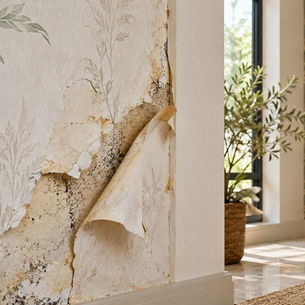
Damp Spots on Walls and Ceilings
The most obvious red flag, and usually the one that finally gets people to pick up the phone.
Mould and Fungal Growth
A clear sign that moisture has been present long enough to become a proper problem.
Paint Blistering and Peeling
Trapped moisture beneath the surface pushes paint away from the wall over time.
Musty Odours Indoors
Often noticed before any visible damage appears, a musty smell is worth investigating immediately.
Recurring Water Seepage After Rainfall
If the same spot gets damp every single monsoon, the underlying issue was never actually fixed.
Areas Most Commonly Overlooked During Waterproofing Inspections

Pipe Penetrations and Utility Openings
Any point where a pipe passes through a wall or slab is a natural weak spot for water seepage.
Expansion Joints
These flexible gaps are essential for structural movement but need their own dedicated waterproofing check.
Parapet and Terrace Junctions
The meeting point of two surfaces is almost always more vulnerable than either surface alone.
Window and Door Perimeters
Sealant around frames wears out quietly and rarely gets checked until water actually gets through.
Seasonal Waterproofing Inspection Tips

Pre-Monsoon Inspection Checklist
Focus on cracks, drainage, and coating condition before the rain arrives and puts everything to the test.
Post-Monsoon Damage Assessment
Check for any new damp patches, seepage, or damage that showed up during the season.
Summer Inspection for UV-Related Deterioration
Intense heat and sun exposure can dry out and crack coatings, so a summer check catches this early.
What to Do If Problems Are Found

Minor Repairs and Preventive Maintenance
Small cracks and worn sealant can often be fixed quickly without a full waterproofing overhaul.
When Re-Waterproofing May Be Necessary
Widespread moisture or a coating well past its intended lifespan usually calls for a fresh, complete application.
Taking Action Before Damage Spreads
Every month a problem goes unaddressed, it typically gets more expensive to fix.
How Often Should Waterproofing Systems Be Reassessed?
Residential Buildings
A general annual check is sufficient for most homes in moderate climates.
Older Homes
Ageing waterproofing solutions deserve closer, more frequent attention as materials near the end of their working life.
Homes in High-Rainfall and Coastal Regions
More frequent inspections make sense here, since constant moisture exposure accelerates wear.
Frequently Asked Questions
How often should waterproofing be inspected?
At least once a year, ideally before and after the monsoon season for the most complete picture.
What are the first signs of waterproofing failure?
Damp patches, musty odours, and peeling paint are usually the earliest visible warning signs of waterproofing products and waterproofing solution failure.
Can waterproofing fail even if there are no visible leaks?
Yes, moisture can travel and cause damage well before it becomes visible on interior surfaces.
Should waterproofing inspections be done before the monsoon?
Absolutely, catching weak points before heavy rain arrives prevents most seasonal water damage.
When should waterproofing be repaired or replaced?
Minor cracks can usually be repaired, while widespread damage or an ageing coating typically needs full re-waterproofing.
Can homeowners perform waterproofing inspections themselves?
Basic visual checks are easy to do yourself, though professional inspection is worthwhile for anything beyond surface-level concerns.
LIKE THIS ARTICLE
Give us a thumbs up!

TEXTURE FINISH
Royale Play special effects for the interior


Call us for Painting Services
 1800-209-5678
Are you looking for home interiors?
Get tailored made designs from our interior design services by asian paints.
Are you looking for home interiors?
Get tailored made designs from our interior design services by asian paints.
Fill the form below to book an appointment with an in house interior designer.