

TRENDING
Painting services
Interior Paint
How to Manage a Multi-Room Home Painting Project
Painting several rooms at once can give your home a fresh, coordinated look, but it requires careful planning. From selecting colours and finishes to preparing surfaces and scheduling the work, a structured home painting process can make the project smoother and more manageable.
TABLE OF CONTENTS
Planning Your Multi-Room Home Painting Project
How to Prepare Different Rooms Before Painting
Choosing Colours for Multiple Rooms
Choosing the Right Paint for Each Room
How to Schedule Painting Across Multiple Rooms
What to Expect from a Professional Home Painting Service
How to Minimise Disruption During a Multi-Room Painting Project
Common Mistakes to Avoid When Painting Multiple Rooms
How Long Does a Complete Home Painting Project Take?
Planning Your Multi-Room Home Painting Project
Assessing the Painting Requirements for Each Room
Begin by assessing every room individually. Check the wall condition, existing paint, ceiling, doors and other surfaces that may need attention. This helps determine the amount of paint, preparation and work required.
Setting Priorities for Different Rooms
Decide which spaces need painting first. High-use areas or rooms with visible wear may take priority, while less frequently used spaces can be scheduled later.
Creating a Room-by-Room Painting Plan
Prepare a simple plan covering colours, finishes, preparation requirements and the expected work for each room. A clear plan helps coordinate multi room painting without unnecessary delays.

Setting a Budget for the Project
Account for paint, primers, tools, surface repairs and labour when setting your budget. If you are considering professional house painting services, request a detailed estimate before work begins.
How to Prepare Different Rooms Before Painting
Moving and Protecting Furniture
Move furniture away from walls wherever possible. Larger pieces can be covered securely with protective sheets to prevent paint splashes and dust from settling on them.
Preparing Walls and Surfaces
Clean walls, remove loose paint and sand uneven areas before painting. Proper preparation helps create a smoother surface and improves the final appearance.
Removing Fixtures and Wall Décor
Take down paintings, mirrors, shelves and removable fixtures before work starts. This allows painters to access the complete wall surface and helps prevent accidental damage.

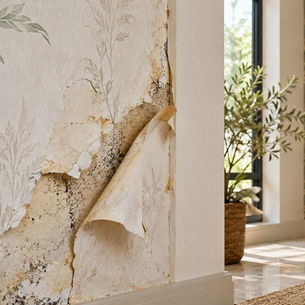
Addressing Cracks, Dampness and Surface Damage
Cracks, holes and damp patches should be addressed before painting. Painting over damaged or damp surfaces can affect durability and lead to recurring problems.
Choosing Colours for Multiple Rooms
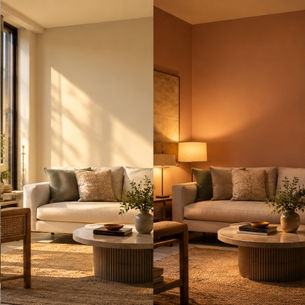
Creating a Cohesive Colour Scheme Across the Home
Colours do not need to be identical throughout the home. However, choosing complementary shades can create a natural visual flow from one room to another.
Choosing Colours Based on Room Function
Consider how each space is used. tones may work well in bedrooms, while welcoming shades can suit living and dining areas. Kitchens may benefit from practical, easy-to-maintain finishes.
Coordinating Wall Colours with Furniture and Décor
Look at existing flooring, furniture, curtains and décor before finalising wall colours. The right wall shade should complement these elements rather than compete with them.

Using Accent Colours Without Losing Consistency
Accent walls can add character to selected rooms. Keep accent colours connected to the broader home palette for a balanced appearance.
Choosing the Right Paint for Each Room
Paint Options for Living and Dining Areas
Living and dining spaces often benefit from attractive, durable paints that can handle regular activity while maintaining their finish.
Choosing Paint for Bedrooms
Bedrooms can use colours and finishes that create a comfortable, relaxing atmosphere. Softer shades can help establish a calm visual environment.
Paint for Kitchens and High-Use
Kitchens and other busy spaces require finishes that can withstand frequent cleaning and everyday use. Choosing suitable paint for these areas can make maintenance easier.

Selecting Finishes Based on Maintenance and Durability
Paint finish should be selected according to the room's usage, lighting and maintenance needs. A professional painting team can help identify suitable options for different surfaces.
How to Schedule Painting Across Multiple Rooms
Deciding Which Rooms to Paint First
Start with rooms that are easier to clear or those with higher priority. Planning the sequence carefully can reduce the time different parts of your home remain unavailable.
Planning Room-by-Room Work
Complete one room or clearly defined section at a time wherever practical. This keeps materials organised and makes progress easier to monitor.
Allowing Time for Surface Preparation and Drying
Do not overlook preparation, drying and recoating time. Rushing between coats can affect the finish and overall durability.

Coordinating Painting Work to Minimise Disruption
Discuss the schedule with your painting team in advance. Coordinating work around your routine can make painting a house much less disruptive.
What to Expect from a Professional Home Painting Service
Initial Inspection and Colour Consultation
Professional painting services typically begin with an assessment of the surfaces and discussion of colour and finish preferences.
Surface Preparation and Priming
Depending on the condition and type of surface, preparation may include cleaning, filling, sanding and priming before the final coats are applied.
Paint Application and Finishing
Painters then apply the selected paint systematically, paying attention to coverage, edges and finishing details.

Final Inspection and Touch-Ups
A final inspection helps identify areas requiring minor touch-ups and ensures the completed rooms meet the expected standard.
How to Minimise Disruption During a Multi-Room Painting Project
Managing Furniture and Belongings
Pack or relocate smaller belongings before painting begins. Keep valuable or delicate items safely away from the work area.
Keeping Frequently Used Areas Accessible
Where possible, maintain access to essential spaces such as bathrooms and kitchens throughout the project.
Planning Around Your Daily Routine
Schedule noisier or more intensive work at convenient times. Inform everyone in the household about which rooms will be unavailable.

Protecting Floors, Fixtures and Furniture
Use suitable protective coverings for floors, furniture and fixed surfaces. Professional painters generally include protection as part of their preparation process.
Common Mistakes to Avoid When Painting Multiple Rooms
Choosing Colours Separately Without Considering the Whole Home
Selecting every room independently can result in a disconnected look. Consider the overall palette before making final choices.
Skipping Surface Preparation
Even high-quality paint cannot compensate for poorly prepared walls. Surface preparation is essential for a lasting finish.
Using the Same Paint Finish in Every Room
Different rooms have different requirements. Choose finishes based on usage, cleaning needs and the desired appearance.
Poor Scheduling and Project Coordination
An unclear sequence can create unnecessary delays and make rooms difficult to use. Plan the workflow before painting starts.

Failing to Account for Drying and Recoating Time
Allow each coat adequate time to dry according to the product requirements. This is particularly important when several rooms are being painted together.
How Long Does a Complete Home Painting Project Take?
Factors That Affect the Painting Timeline
The timeline depends on the number of rooms, wall condition, paint system, preparation requirements and workforce.
Impact of Number and Size of Rooms
Larger homes naturally require more preparation and painting time. Furniture and accessibility can also influence the schedule.
Effect of Surface Condition and Preparation
Walls requiring extensive repairs, sanding or priming can add time before the final coats are applied.

How Professional Painters Manage Project Timelines
Experienced teams can organise labour, materials and room sequences efficiently, helping keep the project on track.
Tips for Managing a Hassle-Free Multi-Room Painting Project
Prepare a Detailed Painting Checklist
List every room, surface, colour, finish and preparation requirement before starting.
Finalise Colours and Finishes in Advance
Confirm your choices early to avoid delays or last-minute changes during the project.
Coordinate With Your Painting Team
Maintain clear communication about schedules, access, furniture movement and expectations.

Inspect Each Room After Completion
Review every completed room carefully and note any areas that may need touch-ups before the project is considered complete.
Frequently Asked Questions
How should I plan a multi-room home painting project?
Assess each room, finalise colours and finishes, set a budget and create a clear work sequence.
Should I paint all rooms at the same time?
Not necessarily. A room-by-room approach can make the home easier to manage, particularly when residents need to continue using the space.
How do I choose colours for multiple rooms?
Create an overall colour palette and select complementary shades based on each room's purpose, lighting and existing décor.
How long does it take to paint multiple rooms?
The duration varies according to room size, number of rooms, surface condition, preparation and drying requirements.
How can I minimise disruption while my home is being painted?
Protect belongings, keep essential areas accessible and coordinate the schedule around your daily routine.
Is it better to hire professional painters for a multi-room project?
Professional painters can help with colour planning, surface preparation, paint application and project coordination, particularly for larger homes.
What should I prepare before professional painters arrive?
Clear walls of décor, move or cover furniture, secure valuables and discuss access, colours, finishes and the planned schedule with the painting team.
LIKE THIS ARTICLE
Give us a thumbs up!

TEXTURE FINISH
Royale Play special effects for the interior


Call us for Painting Services
 1800-209-5678
Are you looking for home interiors?
Get tailored made designs from our interior design services by asian paints.
Are you looking for home interiors?
Get tailored made designs from our interior design services by asian paints.
Fill the form below to book an appointment with an in house interior designer.