

Bedroom Colour Combinations
Bedroom Interior Design
Soothing Bedroom Wall Colour Combinations
Your bedroom is where your day slows down. It is where you rest, reset, and recharge. That is why the colours on your bedroom walls matter more than you think.
If your space feels dull or restless, a simple colour refresh can change everything. Two-colour bedroom wall combinations are trending for a reason. They add depth, character, and balance without overwhelming the room. The right pairing can make your bedroom feel calmer, brighter, or warmer, depending on what you need.
So how do you choose the best colour combination for your bedroom? It starts with understanding your space, your light, and the mood you want to create.
Let’s explore some soothing and stylish two-colour bedroom wall combinations that work beautifully in modern homes.
IN THIS ARTICLE
Modern Bedroom Paint in Two Colours: Nature-Inspired Tones
Explore Vibrant Hues: Pink Two Colour Combination for Bedroom Walls
A Timeless Colour Combination for Bedroom Spaces: Blue and White
Red and White Two Colour Combination for Bedroom Walls
Choosing the Best Two Colour Combination for Bedroom Walls

Simple Two Colour Combination for Bedroom Walls: One Colour, Two Shades
If you prefer subtle elegance, this is the safest and most effective choice. Pick one colour and play with two different shades of it.
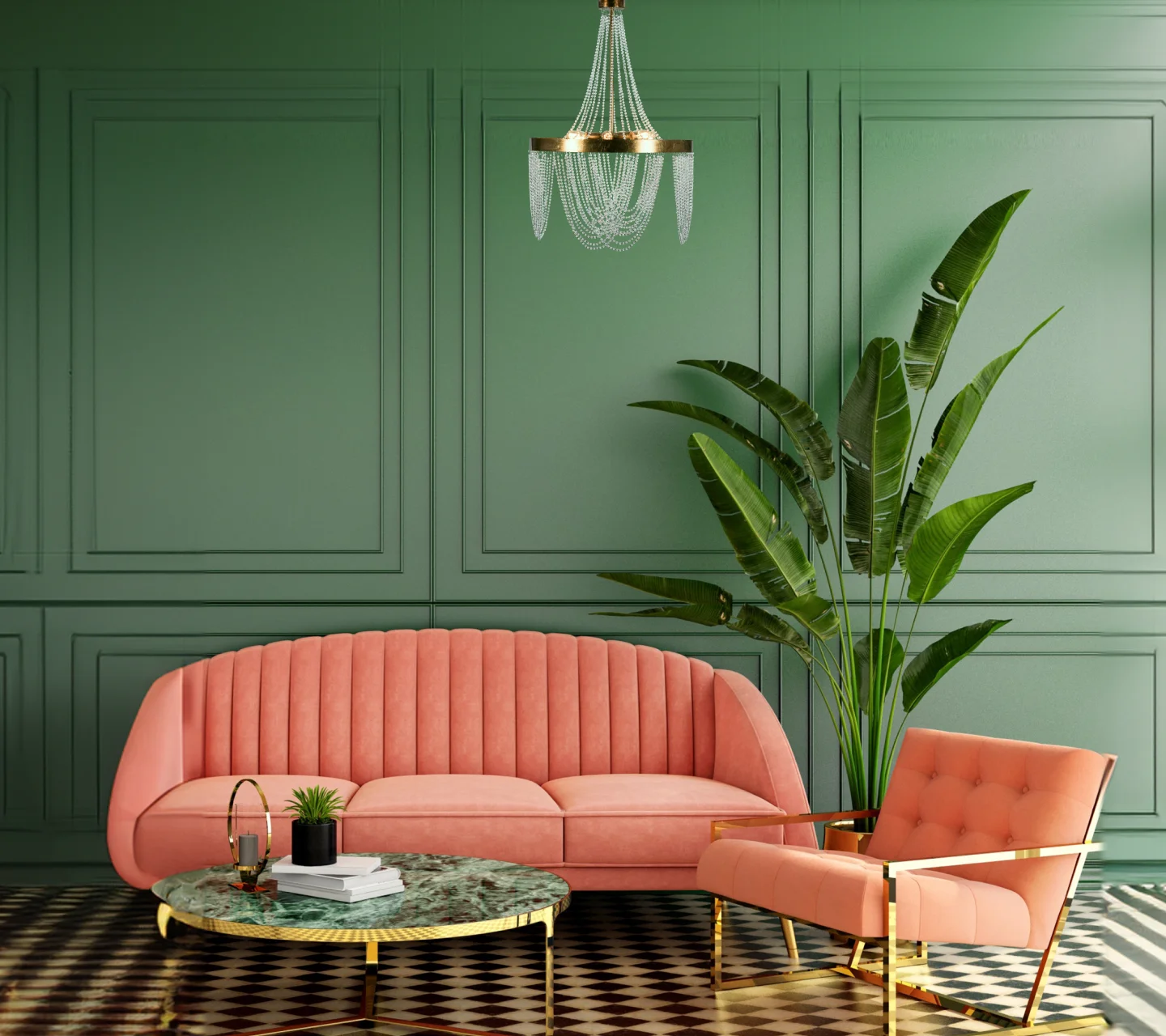
For example, pair a deep forest green with a softer sage or mint. Use the darker shade on the wall behind the bed and lighter tones on the remaining walls. This creates depth while keeping the room airy.
You can also choose two light shades from the same colour family for a soft, dreamy effect. This works well in small bedrooms or spaces with limited natural light.

Modern Bedroom Paint in Two Colours: Nature-Inspired Tones
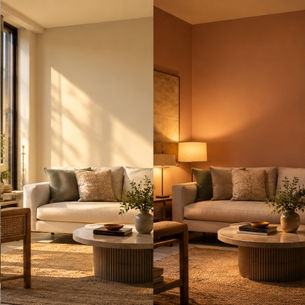
Nature-inspired colours continue to dominate bedroom trends. Earthy browns, warm beiges, and soft terracotta shades bring a sense of comfort and grounding.
Pair pale earth tones with deeper shades like chocolate brown or clay. This combination feels cosy and inviting while still looking modern.
Avoid pairing two bold shades together. In bedrooms, balance matters more than drama.

Relaxing Colour Combinations for Bedrooms: Blue Hues
Blue remains one of the most calming bedroom colours. It promotes relaxation and helps create a peaceful atmosphere.
You can pair turquoise with soft grey for a fresh yet soothing look. Lavender with ivory works beautifully for a softer, more classic feel.
Light blue and grey colour combinations also allow flexibility. You can keep the walls calm and add colour through cushions, throws, or artwork.

Explore Vibrant Hues: Pink Two Colour Combination for Bedroom Walls
A pink colour combination paired with white or soft neutrals adds warmth and cheer without feeling overpowering.
This colour combination works especially well in bedrooms that feel dark or compact. Pink reflects light and instantly makes the space feel more welcoming.
For a modern look, try cranberry pink with warm white or dusty rose with light grey.

A Cosy Two Colour Combination for Bedroom Walls: Warm Tones
Warm colours create comfort. Shades of brown, peach, muted red, and soft orange work well when balanced correctly.
Avoid using dark warm colours on all walls. Instead, pair deeper tones like umber or dusty rose with buttercream, champagne, or warm white.
This combination creates a snug, inviting bedroom that feels perfect for slow mornings and early nights.

A Timeless Colour Combination for Bedroom Spaces: Blue and White
When in doubt, go classic. Blue and white never fail.
This combination works well in shared bedrooms where tastes differ. Navy, indigo, or Prussian blue paired with crisp white creates a space that feels clean, calm, and universally appealing.
It also suits both modern and traditional interiors.

Black and Brown Bedroom Walls
Black and brown may seem bold, but when used thoughtfully, they create a rich and luxurious feel.
Use brown as the main wall colour and black as an accent. Add warm lighting and soft textures like rugs or upholstered headboards to balance the depth.
Metallic accents in bronze or gold can elevate the look further.

Red and White Two Colour Combination for Bedroom Walls
Red adds energy, while white keeps it balanced.
Use red sparingly as an accent wall or in sections. Pair it with off-white or warm white walls to prevent the space from feeling intense.
This combination works best when supported by soft furnishings and warm lighting.

Deep Teal and Almond White Two Colour Combination
Deep teal paired with almond white creates a calm yet elegant bedroom.
Use teal on one or two walls and keep the rest light. Add wooden furniture or indoor plants to enhance the natural feel.
Soft lighting completes the look and encourages better sleep.
Choosing the Best Two Colour Combination for Bedroom Walls
Your comfort always comes first. Still, a few guidelines help you make better choices:
Choose colours that flow well together
Use one wall as an accent to create focus
Balance dark shades with lighter tones
Match wall colours with furniture and flooring
Pay attention to the paint finish
Add colour through soft furnishings instead of overloading walls
Tips for Matching Two Colours Successfully
Start by deciding the mood you want. Calm, cosy, or cheerful.
Use a colour wheel to guide your choices. Complementary colours create contrast. Analogous colours create harmony.
Mix light and dark shades for depth. Avoid pairing two very bold colours together.
If unsure, test colours through accessories first. Cushions, rugs, or artwork help you visualise the final look.
FAQs on Bedroom Wall Colour Combinations
1. Which colours should I avoid in my bedroom?
Avoid very bright or aggressive colours like neon red or loud orange. Too many dark shades can also make the room feel heavy.
2. Which bedroom colours help with relaxation?
Soft blues, greens, lavender, beige, and warm whites promote calm and restful sleep.
3. Which colours make a bedroom look bigger?
Light colours like white, cream, pale blue, and soft green reflect light and make rooms feel more spacious.
LIKE THIS ARTICLE
Give us a thumbs up!
TEXTURE FINISH
Royale Play special effects for the interior


Call us for Painting Services
 1800-209-5678
Are you looking for home interiors?
Get tailored made designs from our interior design services by asian paints.
Are you looking for home interiors?
Get tailored made designs from our interior design services by asian paints.
Fill the form below to book an appointment with an in house interior designer.