

Kitchen Makeover
Kitchen Cabinet Colours
Tips to Make Kitchen Cabinet Colours Look Trendy
Kitchen cabinets are often designed with functionality as the top priority. Storage, accessibility, and efficiency take centre stage. Yet, because cabinetry occupies a large visual footprint, its colour and finish play a defining role in the overall look of your kitchen.
Refreshing cabinet colours is also one of the easiest ways to modernise your kitchen without a full renovation. Whether you are updating an existing setup or planning a new one, the right colour choices can instantly elevate the space.
Here are thoughtful, design-led ideas to help you keep your kitchen cabinet colours fresh, relevant, and visually compelling.
IN THIS ARTICLE
1. Elevate with Subtle Metallic Detailing
2. Create a Focal Point with Colour
4. Keep It Timeless with Monochrome
5. Layer Colours and Materials
6. Take Inspiration from Your Surroundings
7. Commit to a Single Statement Colour
8. Embrace Dark Tones for a Sophisticated Look


1. Elevate with Subtle Metallic Detailing
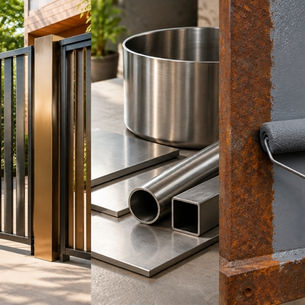
Cabinetry does not have to be limited to wood and wooden laminates. Introducing metallic elements such as brass, copper, or brushed gold can add depth and sophistication.
Instead of overwhelming the space, use metal strategically. Thin trims, handles, or inlays along cabinet edges can create a refined, layered look. If you prefer a softer aesthetic, opt for matte or aged finishes rather than high-gloss metals.
Design Insight:
Metal works best when balanced. Pair it with neutral tones or natural materials to avoid visual clutter.

2. Create a Focal Point with Colour
A single bold colour can transform the entire kitchen when used intentionally. Rather than colouring all cabinets, highlight a specific section such as an island, a tall unit, or lower cabinets.
This approach adds personality without overwhelming the space. It also allows you to experiment with colours you love while maintaining balance.
Tip:
Choose a shade that complements the rest of your palette so the focal point feels integrated, not isolated.

3. Blend Function with Style
Modern kitchens are expected to be both beautiful and practical. Cabinet surfaces can go beyond storage and become interactive elements.
A chalkboard-finish cabinet panel, for instance, adds a personal and functional layer. It can be used for grocery lists, reminders, or quick notes, making the kitchen more dynamic and user-friendly.
Design Note:
Functional details should feel intentional. Place them where they are easy to access but do not disrupt the overall design flow.

4. Keep It Timeless with Monochrome
A monochrome palette remains one of the most enduring choices in kitchen design. Shades like white, cream, and soft beige create a sense of openness and visual calm, especially in smaller kitchens.
To avoid a flat look, introduce contrast. Pair lighter cabinets with black or charcoal accents through handles, countertops, or backsplash elements.
Why it works:
Monochrome schemes are easy to maintain, visually clean, and adaptable to changing trends.

5. Layer Colours and Materials
A modern kitchen rarely relies on a single material or colour. The interplay of finishes creates depth and interest.
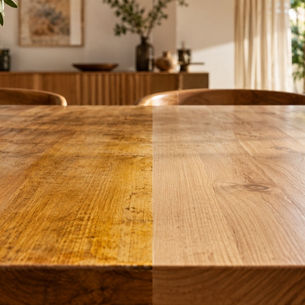
Combine painted cabinets with natural wood, or matte surfaces with glossy accents. Even subtle variations in tone can prevent the space from feeling one-dimensional.
Design Insight:
Stick to a controlled palette of two to three primary elements to maintain harmony.

6. Take Inspiration from Your Surroundings
Your environment can be a powerful design reference. Homes surrounded by greenery can benefit from earthy tones and natural wood finishes. Coastal or water-facing homes can incorporate soft blues and aqua shades.
This approach creates a sense of continuity between the indoors and outdoors, making the kitchen feel more connected and grounded.
Tip:
Use inspiration subtly. Avoid literal interpretations and focus on mood and tone instead.

7. Commit to a Single Statement Colour
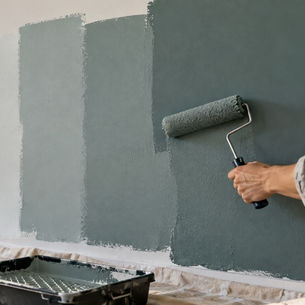
If you want a bold yet cohesive look, consider using one dominant colour across your cabinetry. This creates a strong visual identity while maintaining simplicity.
To keep the space from feeling heavy, choose muted or matte finishes. Balance the look with minimal hardware and understated décor.
Example Approach:
A deep green or navy kitchen can feel striking when paired with neutral countertops and warm lighting.

8. Embrace Dark Tones for a Sophisticated Look
Darker cabinet colours such as charcoal, slate, or black can create a sleek and contemporary kitchen. These tones add depth and drama, especially in well-lit spaces.
To prevent the kitchen from feeling too enclosed, pair dark cabinets with lighter walls, reflective surfaces, or warm wood accents.
Design Tip:
Consistency matters. Extending the dark palette across cabinets, countertops, and fixtures creates a seamless, high-end finish.

9. Design Thoughtfully for Open Kitchens
In open-plan homes, the kitchen is always visible. Cabinet colours must therefore align with the adjoining living or dining areas.
Repeating materials, tones, or textures across spaces helps create visual continuity. For instance, a wood finish used in cabinetry can be echoed in furniture or flooring nearby.
Key Principle:
The kitchen should feel like a natural extension of the overall interior, not a separate zone.
Final thought
Trendy kitchen cabinet colour combinations are not just about following what is popular. They are about creating a space that feels balanced, functional, and reflective of your personal style.
Focus on cohesion, materiality, and proportion. When these elements come together thoughtfully, even the simplest colour palette can feel elevated and timeless.
A well-designed kitchen does not demand attention. It earns it through quiet confidence and enduring appeal.
LIKE THIS ARTICLE
Give us a thumbs up!
TEXTURE FINISH
Royale Play special effects for the interior


Call us for Painting Services
 1800-209-5678
Are you looking for home interiors?
Get tailored made designs from our interior design services by asian paints.
Are you looking for home interiors?
Get tailored made designs from our interior design services by asian paints.
Fill the form below to book an appointment with an in house interior designer.