

Natural Light for Home
Home Design for Natural Light
9 Ways to Bring More Natural Light Into Your Home
A home filled with natural light instantly feels brighter, larger and more welcoming. Sunlight not only enhances colours and textures in interiors but also contributes to a healthier and more uplifting living environment.
However, many homes are not designed to maximise daylight. Changing the direction of the house or relocating to a sunnier location is rarely possible. The good news is that small design changes can help you make the most of the natural light you already receive.
Here are practical ways to increase natural light in your home and create spaces that feel open, fresh and vibrant.

1. Choose Light Wall Colours
Light colours reflect more light and help brighten up a room. White has the highest Light Reflectance Value (LRV), which means it reflects the maximum amount of light compared to darker shades.
If pure white feels too stark, explore softer tones such as warm whites, creams or pastels. These shades reflect daylight while maintaining a comfortable and inviting atmosphere.
Style tip: Paint the ceiling white or slightly lighter than the walls to visually raise the height of the room and make the space feel larger.

2. Introduce Reflective Surfaces
Surfaces that have a natural sheen help bounce light around the room. This increases brightness without adding additional light sources.
You can introduce reflective surfaces in several ways:
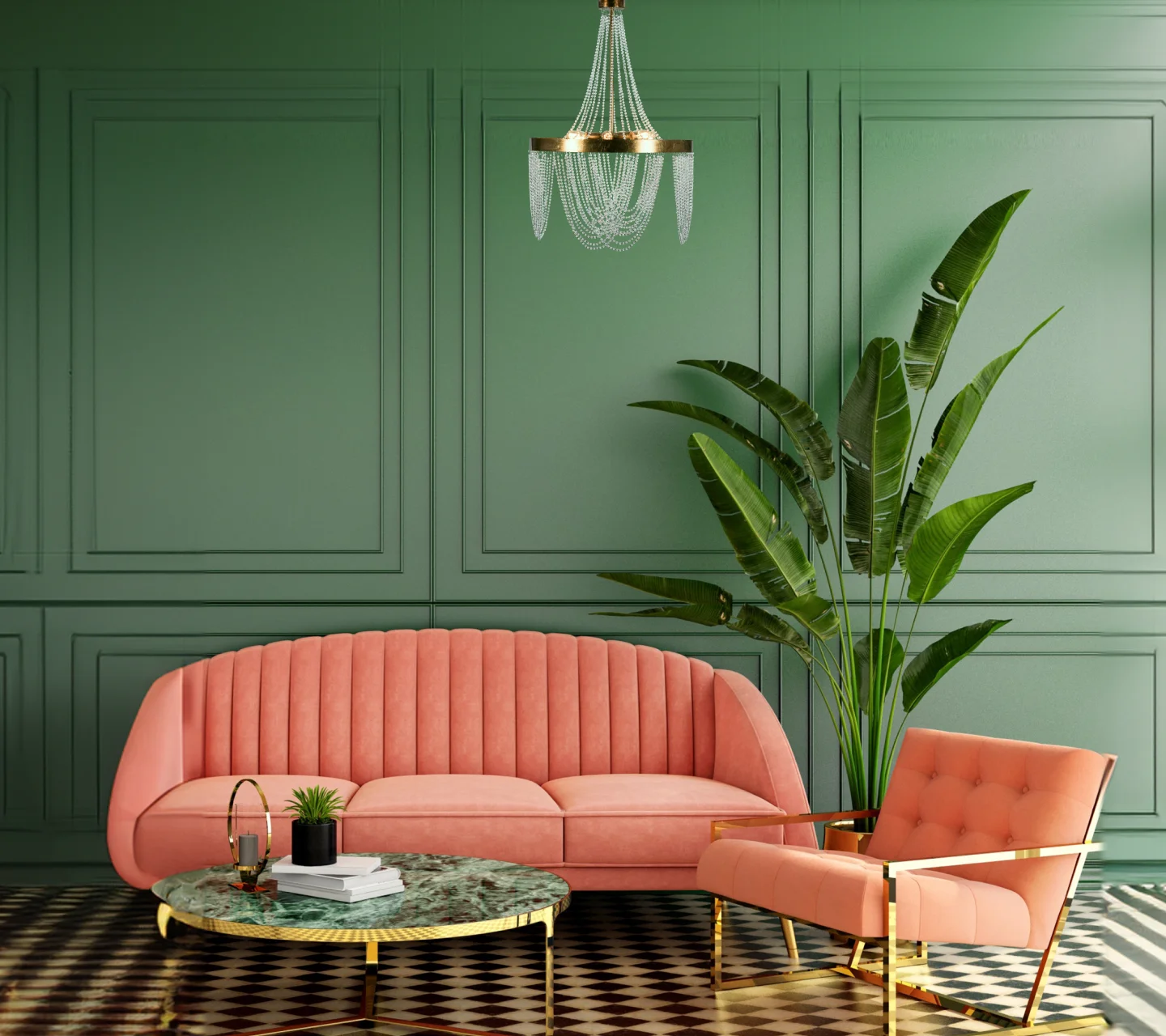
Use metallic accents in hardware, light fixtures or décor
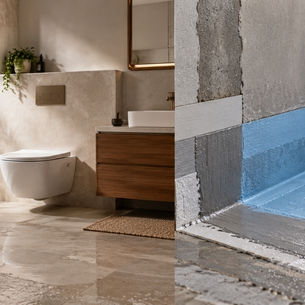
Choose glazed tiles for kitchens and bathrooms
Install polished countertops such as marble or granite
Opt for paints with satin, eggshell or high gloss finishes instead of completely matte finishes
These elements help distribute natural light more evenly across the room.

3. Select Light Reflective Flooring
Flooring also plays a role in how light moves through a space. Materials such as polished wood, ceramic tiles and natural stone reflect light better than very dark or heavily textured surfaces.
If you prefer rugs or carpets, choose lighter colours that keep the room feeling open and airy.

4. Manage Greenery Around Windows
Indoor and balcony plants bring freshness to interiors, but excessive greenery near windows can block sunlight from entering the home.
Ensure that plants, creepers or balcony arrangements do not obstruct windows. Trimming plants regularly helps maintain a balance between greenery and natural light.

5. Keep Windows Clean
Dust, stains and debris on windows can significantly reduce the amount of sunlight entering your home.
Regularly cleaning both the inside and outside surfaces of windows allows daylight to pass through more easily and keeps rooms looking bright.

6. Use Glass to Open Up Spaces
Glass is one of the most effective ways to allow light to travel freely across different areas of the home.
Some ways to incorporate glass include:
Large windows or French windows
Glass doors for balconies or patios
Glass partitions in open-plan living areas
Bi-fold or sliding glass doors between rooms
Glass blocks in bathrooms to allow filtered daylight
These solutions maintain visual openness while allowing light to move from one space to another.
Style tip: Place mirrors opposite windows or near light sources to reflect and amplify daylight within the room.

7. Layer Artificial Lighting
Even homes with plenty of natural light have areas that need additional illumination. Hallways, corners, bathrooms and wardrobes often benefit from well-planned artificial lighting.
Choose lighting that complements natural daylight. Options include warm white, cool white and natural white lights that resemble daylight.
Artificial lighting that mimics daylight works well in spaces where tasks require clarity, such as dressing areas, workspaces and study rooms.
Style tip: Install dimmers to adjust lighting levels throughout the day as natural light changes.

8. Opt for Light and Minimal Furniture
Furniture that feels visually light helps maintain a sense of openness. Large, bulky pieces can block the movement of light across a room.
Instead, choose furniture with:
Exposed legs
Open shelving
Slim profiles
Lighter upholstery colours
Textiles also matter. Heavy curtains or thick blinds can block sunlight. Consider sheer curtains or light fabrics that allow daylight to filter through.
Quick tip: Always test paint colours at home before finalising them. Natural light changes throughout the day and can alter how a shade appears on the wall.

9. Install Skylights
Skylights are one of the most effective ways to introduce natural light into interiors. Because they are placed on the roof, they allow sunlight to enter directly without being blocked by surrounding structures.
Skylights can be installed in living rooms, kitchens, bathrooms or even hallways. They provide consistent daylight and reduce the need for artificial lighting during the day.
Why Natural Light Matters in Home Design
Homes designed to maximise natural light offer several advantages:
They reduce the need for artificial lighting during the day, helping conserve energy
Sunlight enhances colours, textures and architectural details
Bright interiors feel more spacious and inviting
Natural light helps reduce dampness and discourages mould growth
Exposure to sunlight supports overall well-being and improves mood
When natural light flows through a home, it transforms the way a space looks and feels. With thoughtful design choices such as lighter colours, reflective surfaces and well-planned windows, you can create interiors that feel brighter and more comfortable every day.
LIKE THIS ARTICLE
Give us a thumbs up!
TEXTURE FINISH
Royale Play special effects for the interior


Call us for Painting Services
 1800-209-5678
Are you looking for home interiors?
Get tailored made designs from our interior design services by asian paints.
Are you looking for home interiors?
Get tailored made designs from our interior design services by asian paints.
Fill the form below to book an appointment with an in house interior designer.