What is Waterproofing and Why is it Important for Every Home?
Waterproofing is the process of protecting a building from water leakage, moisture intrusion, and water seepage by applying specially designed waterproofing products and systems to vulnerable surfaces. Whether it is a new home or an existing property, waterproofing creates a durable barrier that prevents water from penetrating walls, roofs, terraces, bathrooms, basements, and other structural elements.
Water can silently damage a home long before visible signs appear. Damp patches, peeling paint, mould growth, and weakened concrete are often the result of prolonged exposure to moisture. Investing in the right waterproof coating or waterproofing system helps safeguard your home's structural integrity while improving indoor comfort and reducing long-term repair costs.
Unlike temporary fixes, professional waterproofing solutions are designed to address the root cause of moisture problems. Modern waterproofing products can withstand varying weather conditions, temperature fluctuations, and continuous water exposure, offering reliable protection for years. When combined with high-quality waterproof paints and expert application, waterproofing not only enhances durability but also helps maintain the beauty of your interiors and exteriors.
Importance of Waterproofing for Long-Term Home Protection
Your home is constantly exposed to rain, humidity, groundwater, plumbing leaks, and changing weather conditions. Without proper waterproofing, these factors can gradually lead to water seepage, dampness, and structural deterioration. Waterproofing is, therefore, an essential part of preventive home maintenance rather than just a repair solution.
Here are some reasons why waterproofing is crucial for every home:
Prevents Water Damage: Effective waterproofing stops water leakage before it spreads through walls, ceilings, and floors, reducing the risk of expensive repairs.
Protects Structural Strength: Continuous moisture exposure can weaken concrete and corrode steel reinforcement. Waterproofing helps preserve the strength and stability of your home's structure.
Reduces Dampness and Mould Growth: Moisture creates an ideal environment for mould, mildew, and bacteria. Waterproofing helps maintain a healthier indoor environment.
Extends the Life of Paint and Finishes: Damp walls often cause paint to peel, blister, or stain. Using compatible waterproofing products before painting improves the longevity of decorative finishes and waterproof paints.
Enhances Property Value: A well-protected home with no signs of seepage or dampness is more attractive to buyers and requires fewer maintenance expenses over time.
Improves Energy Efficiency: Dry walls provide better insulation, helping maintain comfortable indoor temperatures and reducing energy consumption.
By choosing high-quality waterproofing systems and professional application, homeowners can enjoy long-lasting protection against moisture-related issues while preserving both the appearance and durability of their property.
Areas of Your Home That Need Waterproofing the Most
Every home has specific areas that are more vulnerable to moisture than others. Identifying these high-risk zones and using the appropriate waterproofing products can significantly reduce the chances of water leakage and structural damage.
Bathrooms
Bathrooms experience continuous exposure to water from showers, sinks, and plumbing fixtures. Proper waterproofing beneath tiles and around wet areas prevents hidden leaks that can damage adjoining rooms.
Terraces and Roofs
Terraces and roofs bear the direct impact of rainfall, sunlight, and temperature changes. Without a durable waterproof coating, cracks can develop over time, allowing rainwater to seep into ceilings and walls.
Exterior Walls
Exterior walls face constant exposure to rain and humidity. High-performance waterproofing systems help prevent water seepage, damp patches, and paint deterioration while protecting the building envelope.
Balconies
Balconies are frequently exposed to standing water during heavy rains. Waterproofing helps prevent cracks, leakage into lower floors, and damage to structural components.
Basements
Basements are highly susceptible to groundwater pressure and moisture intrusion. Effective waterproofing systems help keep these spaces dry while protecting the foundation.
Water Tanks
Both overhead and underground water tanks require specialised waterproofing products to prevent leakage, maintain water quality, and extend the life of the structure.
Kitchen
Kitchen sinks, plumbing lines, and countertops can become sources of hidden leaks. Waterproofing around wet zones helps minimise moisture-related damage to walls and cabinetry.
Windows and Expansion Joints
Improperly sealed windows and structural joints often become entry points for rainwater. Professional waterproofing prevents moisture from penetrating these vulnerable areas.
Addressing these critical areas with the right waterproofing solution helps ensure comprehensive protection throughout your home.
Types of Essential House Waterproofing
Different parts of a home require different waterproofing methods depending on their exposure to moisture and environmental conditions. Choosing the appropriate waterproofing products for each area ensures long-lasting protection and optimal performance.
Bathroom Waterproofing
Bathrooms are among the most moisture-prone spaces in any home. Waterproofing beneath floor tiles, shower areas, and around plumbing fixtures prevents hidden water leakage that can spread to adjoining walls and ceilings.
Modern bathroom waterproofing systems use flexible membranes and specialised waterproofing products that remain effective even with constant water exposure. Proper application before tiling is essential for long-term performance.
Terrace & Tank Waterproofing
Terraces and water tanks are continuously exposed to water and changing weather conditions. Cracks formed due to thermal expansion or ageing can lead to serious water seepage if left untreated.
A durable waterproofing system, combined with a high-quality waterproof coating, helps protect these surfaces from rainwater penetration, UV exposure, and standing water while extending their service life.
Cracks & Joints Waterproofing
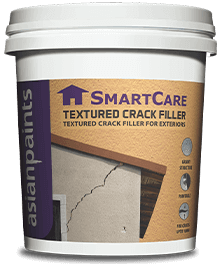
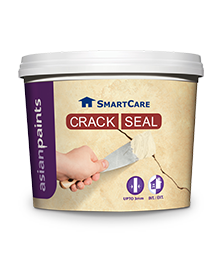
Even small cracks can allow moisture to penetrate deep into the structure. Expansion joints, construction joints, and hairline cracks should be repaired using specialised waterproofing products before they worsen.
Flexible sealants and crack-filling solutions accommodate structural movement while maintaining a watertight seal, reducing the risk of future water leakage.
Interior Waterproofing
Interior waterproofing protects walls, ceilings, and floors that are affected by plumbing leaks, condensation, or moisture migration. It is particularly useful in kitchens, utility areas, basements, and rooms adjacent to bathrooms.
Combining effective waterproofing systems with premium interior finishes and waterproof paints helps maintain beautiful walls while preventing recurring dampness.
Tile Waterproofing
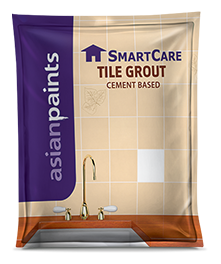
Water often penetrates through tile joints rather than the tiles themselves. Tile waterproofing creates an invisible barrier beneath or over tiled surfaces, helping prevent leakage without compromising aesthetics.
Specialised waterproofing products for tile joints also help reduce staining, mould growth, and maintenance requirements.
Exterior Wall Waterproofing
Exterior walls require protection against heavy rainfall, humidity, and environmental pollutants. Advanced exterior waterproofing systems create a breathable yet water-resistant barrier that prevents water seepage while allowing trapped moisture vapour to escape.
Using compatible waterproofing products and exterior waterproof paints further enhances weather resistance and preserves the appearance of the façade for years.
Best Waterproofing Solutions for Different Areas of Your Home
No single waterproofing method works for every part of a home. Each area experiences different levels of moisture, weather exposure, and structural movement, making it important to choose waterproofing products that are specifically designed for the application. Selecting the right solution not only helps prevent water leakage and water seepage but also improves the durability of the structure and reduces future maintenance costs.
Area of the Home
|
Recommended Waterproofing Solution
|
Benefits
|
Terrace & Roof
|
Waterproof coating with liquid membrane systems
|
Protects against rainwater, ponding water, and UV exposure
|
Bathroom
|
Flexible waterproofing membrane beneath tiles
|
Prevents hidden leaks and protects adjoining rooms
|
Exterior Walls
|
Exterior waterproof coating with weather-resistant finishes
|
Minimises water seepage and protects the façade
|
Basements
|
Cementitious waterproofing with protective coatings
|
Resists groundwater pressure and dampness
|
Water Tanks
|
Food-grade cementitious waterproofing products
|
Prevents leakage while ensuring water safety
|
Balconies
|
Crack-bridging waterproof membranes
|
Protects against standing water and surface cracks
|
Kitchens
|
Waterproofing around wet zones and plumbing
|
Reduces moisture damage behind cabinets and walls
|
Using premium waterproofing products that are compatible with the surface material and environmental conditions ensures long-lasting performance. Professional inspection can also help identify hidden moisture issues before selecting the appropriate waterproofing solution.
How to Choose the Right Waterproofing Solution for Your Home
Choosing the right waterproofing solution involves more than simply selecting a product. Every home has unique construction materials, climatic conditions, and moisture challenges that influence the effectiveness of a waterproofing system.
Here are some key factors to consider:
Identify the Source of Water
Determine whether the problem is caused by rainwater, plumbing leaks, groundwater, condensation, or structural cracks. Treating only the visible damage without addressing the source may result in recurring water leakage.
Consider the Surface Type
Concrete roofs, brick walls, tiled bathrooms, and water tanks all require different waterproofing products. Using the right formulation improves adhesion, durability, and overall performance.
Evaluate the Severity of Damage
Minor damp patches may only require preventive waterproofing, whereas severe water seepage or structural cracks often need comprehensive repair along with specialised waterproofing systems.
Check Weather Conditions
Homes located in regions with heavy rainfall or high humidity benefit from advanced waterproof coatings that offer enhanced weather resistance and flexibility.
Choose Long-Lasting Solutions
High-quality waterproofing products provide superior crack-bridging capability, UV resistance, and durability, reducing the need for frequent repairs.
Seek Professional Assessment
A professional inspection helps identify hidden issues, recommend suitable waterproofing products, and ensure proper application techniques for long-term protection.
Investing in the right waterproofing system from the beginning can significantly reduce maintenance costs while preserving the strength and appearance of your home.
Modern Waterproofing Technologies Used for Long-Lasting Protection
Advancements in construction technology have made waterproofing more effective, durable, and environmentally friendly. Modern waterproofing products are engineered to withstand challenging weather conditions while providing reliable protection against moisture intrusion.
Liquid-Applied Membrane Technology
Liquid waterproof membranes form a seamless protective layer that conforms to complex surfaces, corners, and joints. They offer excellent flexibility and are commonly used on terraces, balconies, and bathrooms.
Crack-Bridging Technology
Modern waterproof coatings are designed to bridge hairline cracks caused by thermal expansion or structural movement. This helps prevent water from entering through small openings over time.
Polymer-Modified Waterproofing Systems
Polymer-enhanced waterproofing products offer improved adhesion, flexibility, and resistance to environmental stress, making them suitable for both new construction and repair projects.
Fibre-Reinforced Waterproof Coatings
Some waterproof coating systems incorporate reinforcing fibres that improve tensile strength and durability, especially on exposed roof surfaces.
Hybrid Waterproofing Systems
Combining multiple waterproofing technologies provides enhanced protection in areas exposed to heavy rainfall, continuous moisture, or high structural movement.
Eco-Friendly Waterproofing Solutions
Many modern waterproofing products are formulated with low VOC content and environmentally responsible materials, helping homeowners create healthier indoor and outdoor environments without compromising performance.
These innovations have significantly improved the lifespan of waterproofing systems while reducing maintenance requirements.
Different Types of Waterproofing Solutions
Different waterproofing methods are designed to address specific structural requirements. Understanding their characteristics helps homeowners choose the most suitable solution for each application.
Cementitious Waterproofing
Cementitious waterproofing is one of the most commonly used methods due to its ease of application and excellent adhesion to concrete surfaces. It is widely used in bathrooms, water tanks, basements, and foundations.
Its rigid composition makes it highly effective in areas with minimal structural movement, offering dependable protection against water seepage.
Liquid Waterproofing Membrane
Liquid waterproof membranes are applied as a liquid and cure into a seamless, flexible membrane. Their ability to cover corners, joints, and irregular surfaces makes them ideal for terraces, balconies, and wet areas.
These waterproofing products provide excellent crack resistance and long-term durability when applied correctly.
Bituminous Coating Waterproofing
Bituminous coatings are asphalt-based waterproofing systems commonly used for below-ground structures and concrete foundations. They provide excellent resistance to moisture and are particularly effective where surfaces remain protected from direct sunlight.
Their durability makes them suitable for retaining walls, basements, and other moisture-prone areas.
Bituminous Membrane Waterproofing
Bituminous membranes are pre-formed sheets that create a continuous waterproof barrier when installed correctly. They are frequently used for roofs, foundations, terraces, and large commercial structures.
These membranes offer excellent resistance to moisture penetration and can withstand demanding environmental conditions.
Polyurethane Liquid Membrane Waterproofing
Polyurethane liquid membranes provide exceptional flexibility and abrasion resistance, making them ideal for exposed terraces, balconies, and roof slabs.
This advanced waterproof coating forms a seamless protective layer capable of bridging small cracks while resisting UV exposure and weathering. It is particularly effective in areas that experience frequent rainfall or temperature fluctuations.
By selecting the right waterproofing products based on the location, exposure, and structural requirements, homeowners can achieve durable protection against water leakage and extend the life of their property.
How Waterproof Coatings Protect Your Home from Water Damage
A high-quality waterproof coating acts as the first line of defence against moisture intrusion. Applied to roofs, terraces, exterior walls, balconies, and other exposed surfaces, it creates a protective barrier that prevents rainwater and moisture from penetrating the building structure. By stopping water leakage before it reaches the underlying substrate, waterproof coatings help preserve the strength and appearance of your home.
Modern waterproofing products are designed to perform under varying weather conditions. They resist UV exposure, accommodate minor structural movement, and provide excellent adhesion to concrete, masonry, and other common building materials. Unlike conventional surface treatments, advanced waterproof coatings offer long-lasting protection while maintaining the breathability of the surface, allowing trapped moisture vapour to escape.
Some of the key ways waterproof coatings protect your home include:
Preventing water seepage through roofs, walls, and terraces.
Reducing the formation of cracks caused by repeated wetting and drying cycles.
Protecting concrete and reinforcement from corrosion due to moisture.
Extending the life of exterior finishes and waterproof paints.
Minimising maintenance costs by preventing recurring water damage.
Improving the overall durability and weather resistance of the building.
When applied correctly over a properly prepared surface, a premium waterproof coating significantly improves the long-term performance of your home's waterproofing system.
Signs Your Home Needs Waterproofing Immediately
Water damage often develops gradually, making it important to recognise the early warning signs before they become major structural problems. Identifying these symptoms early allows homeowners to choose the right waterproofing products and prevent costly repairs.
Coating Bubbles
If paint or surface coatings begin to bubble, blister, or peel, it may indicate trapped moisture beneath the surface. This usually occurs when water seepage pushes against the paint film, reducing its adhesion. Applying new paint without addressing the underlying moisture will only provide a temporary solution. Proper waterproofing should always be completed first.
Penetrating Damp
Dark patches, damp walls, and persistent moisture stains are common signs of penetrating damp. Rainwater may be entering through cracked exterior walls, damaged roofs, or deteriorated joints, eventually leading to mould growth and structural damage if left untreated.
Flooring
Loose tiles, lifting wooden flooring, cracked grout, or damp flooring can indicate hidden water leakage beneath the surface. Bathrooms, balconies, and kitchens are especially prone to these issues. Timely waterproofing helps prevent further damage and extends the life of flooring materials.
Efflorescence
White, powdery deposits appearing on walls or masonry are known as efflorescence. They form when water dissolves salts within the building materials and carries them to the surface as it evaporates. While efflorescence itself is not harmful, it is a clear indication of ongoing moisture intrusion that requires effective waterproofing.
Condensation
Persistent condensation on walls, ceilings, or windows can increase indoor humidity and contribute to mould growth. Although condensation is often caused by poor ventilation, prolonged moisture accumulation can damage interior finishes. Using suitable waterproofing products along with proper ventilation helps maintain a healthier indoor environment.
If you notice any of these warning signs, it is advisable to inspect your home promptly and address the source of moisture before it leads to more extensive repairs.
Common Causes of Dampness and Water Leakage
Understanding what causes dampness is the first step towards selecting the right waterproofing solution. Moisture problems often arise due to a combination of environmental factors, construction issues, and ageing building materials.
Some of the most common causes include:
Cracks in roofs, terraces, and exterior walls.
Damaged or ageing waterproofing systems.
Poor construction detailing around windows and balconies.
Blocked drainage outlets leading to water accumulation.
Faulty plumbing lines and leaking pipes.
Inadequate roof slope causing water ponding.
Poor-quality construction materials.
Deteriorated sealants around expansion joints.
High groundwater levels affecting basements and foundations.
Heavy rainfall combined with inadequate exterior protection.
Ignoring these issues can result in continuous water leakage, water seepage, peeling paint, weakened concrete, and costly structural repairs. Regular inspections and timely maintenance can significantly reduce the risk of moisture-related damage.
How to Inspect Your Home for Waterproofing Issues
Routine inspections help detect waterproofing problems before they become severe. A thorough assessment allows homeowners to identify vulnerable areas and schedule repairs at the right time.
During your inspection, look for:
Damp patches on walls and ceilings.
Peeling, blistering, or discoloured paint.
Visible cracks on terraces, balconies, or exterior walls.
Water stains near windows and doors.
Mould or mildew growth in bathrooms and kitchens.
White salt deposits (efflorescence) on masonry surfaces.
Standing water on roofs after rainfall.
Loose or cracked floor and wall tiles.
Damp smell in enclosed spaces.
Signs of plumbing leaks beneath sinks and around water supply lines.
It is also helpful to inspect your home after heavy rainfall, as moisture-related defects are often easier to identify when surfaces have recently been exposed to water.
If multiple symptoms appear together, consulting waterproofing professionals can help diagnose the underlying cause and recommend suitable waterproofing products for long-term protection.
When Should You Repair Cracks Before Waterproofing?
Crack repair is an essential step before applying any waterproofing system. Waterproofing products are designed to prevent moisture intrusion, but they perform best when the underlying surface is structurally sound.
Cracks should be repaired before waterproofing if they:
Continue to widen over time.
Allow visible water seepage during rainfall.
Extend through concrete or masonry.
Occur around windows, doors, or structural joints.
Appear on terraces where water tends to accumulate.
Affect balconies, parapet walls, or roof slabs.
Hairline cracks caused by normal drying shrinkage may only require flexible crack fillers, while wider structural cracks often need specialised repair systems before waterproofing can begin.
Proper surface preparation, crack treatment, and cleaning improve the adhesion of waterproof coatings and increase the overall effectiveness of the waterproofing system.
Factors Affecting Waterproofing Cost in India
The cost of waterproofing varies depending on several factors, including the condition of the structure and the type of waterproofing products used. Understanding these factors helps homeowners plan their maintenance budget more effectively.
Some of the major cost considerations include:
Size of the area requiring waterproofing.
Type of surface (roof, bathroom, basement, exterior wall, etc.).
Extent of existing water leakage or structural damage.
Need for crack repairs before waterproofing.
Choice of waterproofing products and technology.
Surface preparation requirements.
Accessibility of the work area.
Labour and application complexity.
Number of protective coats required.
Warranty and quality standards offered by the service provider.
While lower-cost solutions may seem attractive initially, investing in premium waterproofing products often provides greater durability and reduces long-term repair expenses.
About Waterproofing Cost
There is no fixed cost for waterproofing because every home has unique construction requirements and moisture-related challenges. The final investment depends on the affected area, the severity of damage, the waterproofing system selected, and whether repairs are needed before application.
Rather than choosing a solution based solely on price, homeowners should consider the overall value offered by professional diagnosis, high-performance waterproofing products, expert workmanship, and long-term durability. A well-executed waterproofing project helps minimise future maintenance costs and protects one of your most valuable investments.
For an accurate estimate, it is advisable to schedule a professional site inspection. This allows experts to assess the source of water seepage, recommend the most suitable waterproofing solution, and provide a customised quotation based on your home's specific requirements.
Why Should You Waterproof Your House?
Waterproofing is a proactive investment that protects your home from the damaging effects of moisture throughout the year. Whether you are building a new house or maintaining an existing one, waterproofing helps preserve the structural integrity, appearance, and value of your property.
By using high-quality waterproofing products, homeowners can:
Prevent recurring water leakage and dampness.
Reduce the risk of mould and mildew growth.
Improve the lifespan of walls, ceilings, roofs, and foundations.
Protect decorative finishes and waterproof paints.
Avoid expensive structural repairs.
Enhance indoor comfort and air quality.
Increase the long-term value of the property.
Proper waterproofing is far more cost-effective than repairing extensive water damage after it occurs.
Long-Term Benefits of Waterproofing Your Home
Investing in professional waterproofing delivers lasting benefits that extend well beyond preventing leaks. A well-protected home requires less maintenance, performs better over time, and remains more comfortable in every season.
Some of the long-term advantages include:
Improved structural durability.
Reduced maintenance and repair costs.
Better resistance to heavy rainfall and changing weather conditions.
Prevention of water seepage and damp-related deterioration.
Longer-lasting exterior finishes and waterproof paints.
Healthier indoor living spaces with reduced mould growth.
Enhanced property value and buyer confidence.
Increased lifespan of roofs, terraces, bathrooms, and exterior walls.
Better protection for interior furnishings and flooring.
Greater peace of mind knowing your home is protected against moisture damage.
When high-quality waterproofing products are combined with professional application and regular maintenance, homeowners can enjoy reliable protection and long-lasting performance for years to come.
Benefits of Professional Waterproofing Services
While minor moisture issues may appear easy to fix, effective waterproofing requires the right diagnosis, products, and application techniques. Professional waterproofing services go beyond treating visible symptoms. They identify the root cause of water leakage and recommend long-lasting solutions tailored to your home's needs.
Here are some key benefits of choosing professional waterproofing services:
Accurate Diagnosis
Professionals conduct a detailed inspection to determine whether the issue is caused by plumbing leaks, structural cracks, poor drainage, or water seepage through walls and roofs. This ensures the problem is addressed at its source rather than temporarily concealed.
Access to High-Performance Waterproofing Products
Experts use premium waterproofing products and systems that are tested for durability, adhesion, and weather resistance. These solutions are designed to provide superior protection compared to conventional repair methods.
Proper Surface Preparation
The success of any waterproofing project depends on careful surface preparation. Professionals clean, repair, and prime the substrate before applying a waterproof coating, ensuring better adhesion and longer-lasting performance.
Correct Application Techniques
Different areas of the home require different waterproofing methods. Professionals select the most suitable application process based on the surface, environmental conditions, and level of moisture exposure.
Long-Term Cost Savings
Investing in professional waterproofing helps reduce recurring repairs, prevents structural deterioration, and extends the lifespan of your home's finishes, ultimately saving money over time.
Peace of Mind
Many professional waterproofing services include warranties, giving homeowners added confidence that their property is protected against future moisture-related issues.
Tips to Maintain Waterproofed Surfaces for Longer Durability
Waterproofing is a long-term investment, but regular maintenance is essential to maximise its effectiveness. Proper care helps preserve the performance of waterproofing products and minimises the risk of future damage.
Follow these maintenance tips:
Inspect roofs, terraces, and balconies regularly, especially before and after the monsoon season.
Keep drainage outlets clean to prevent water accumulation.
Repair small cracks as soon as they appear.
Remove debris, leaves, and dirt that may trap moisture on exposed surfaces.
Check plumbing fixtures periodically for hidden leaks.
Reapply protective waterproof coatings when recommended by the manufacturer.
Avoid drilling or damaging waterproofed surfaces without proper sealing afterwards.
Monitor exterior walls for early signs of dampness or water seepage.
Ensure bathrooms and kitchens have adequate ventilation to reduce excess humidity.
Schedule professional inspections if you notice recurring moisture issues.
Regular maintenance helps extend the service life of your waterproofing system while reducing long-term repair costs.
Why Waterproofing Should Be Done Before Painting
Many homeowners focus on painting before addressing underlying moisture problems. However, applying paint over damp surfaces only hides the symptoms temporarily. If water leakage or water seepage continues, even premium paints will eventually peel, blister, or discolour.
Completing waterproofing before painting offers several advantages:
Prevents moisture from damaging freshly painted walls.
Improves the adhesion and durability of decorative finishes.
Reduces paint peeling, bubbling, and flaking.
Protects interior and exterior surfaces from recurring dampness.
Extends the lifespan of waterproof paints.
Minimises future repainting and maintenance expenses.
For the best results, waterproofing products should be applied to a clean, repaired, and dry surface before any primer or paint is used. This creates a stable foundation for long-lasting decorative finishes.
Mistakes to Avoid During Waterproofing
Even high-quality waterproofing products may fail if they are applied incorrectly. Avoiding common mistakes helps ensure reliable, long-term protection.
Some common waterproofing mistakes include:
Ignoring the root cause of water leakage.
Applying waterproofing over damp, dirty, or damaged surfaces.
Skipping crack repair before waterproofing.
Choosing products that are unsuitable for the specific area.
Applying insufficient coating thickness.
Not allowing adequate curing time between coats.
Blocking drainage outlets on terraces and balconies.
Waterproofing after painting instead of before.
Delaying repairs when early signs of dampness appear.
Attempting large waterproofing projects without professional guidance.
Careful planning, quality materials, and proper application significantly improve the effectiveness and lifespan of any waterproofing system.
How can Asian Paints Help You Waterproof Your Home?
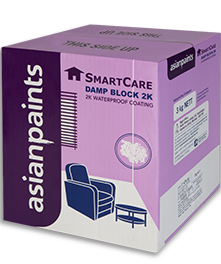
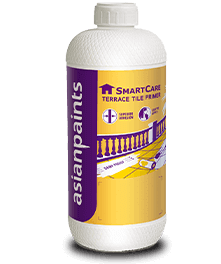
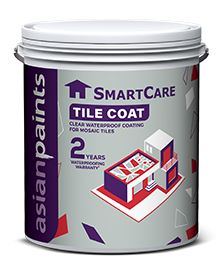
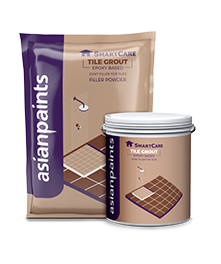
Protecting your home from moisture requires more than just treating visible damage—it requires a complete waterproofing solution. Asian Paints offers a comprehensive range of advanced waterproofing products designed to help prevent water leakage, control water seepage, and protect your home from long-term structural damage.
Whether you are waterproofing a new home or repairing an existing one, Asian Paints provides solutions for terraces, bathrooms, exterior walls, water tanks, basements, and interior surfaces. From durable waterproof coatings to high-performance waterproofing systems, every solution is developed to deliver long-lasting protection under diverse climatic conditions.
In addition to premium waterproofing products, Asian Paints also offers expert guidance and professional waterproofing services. Trained specialists assess the source of moisture, recommend the most suitable solution, and ensure proper application for optimal performance.
With the right combination of innovative products, technical expertise, and professional support, Asian Paints helps homeowners protect their homes, preserve beautiful finishes, and enjoy peace of mind for years to come.