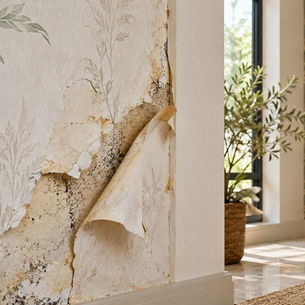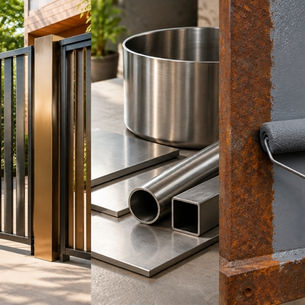


Waterproofing
Waterproofing for Slabs and Walls
Choosing the Right Waterproofing System for Slabs and Walls
A lot of people assume one waterproofing method works everywhere. It doesn’t. Slabs and walls face very different conditions, and using the same system for both is one of the biggest reasons waterproofing fails.
If you want long-lasting results, you need to understand how slab waterproofing and wall waterproofing actually differ.
IN THIS ARTICLE
Where Is Wall Waterproofing Most Important?
Why Using the Same System for Slabs and Walls Can Fail
Common Waterproofing Failures in Slabs and Walls
How Structural Movement Impacts Slabs vs Walls Differently
Key Differences in Waterproofing Requirements

What Is Slab Waterproofing?
Slab waterproofing focuses on horizontal surfaces like terraces and roofs. These areas take direct exposure from rain, heat, and foot traffic.
Key features:
Handles standing water
Resists UV exposure
Manages thermal expansion
Prevents cracks and seepage
That’s why roof slab waterproofing usually requires flexible and durable systems.

What Is Wall Waterproofing?
Wall waterproofing protects vertical surfaces from moisture penetration. Walls don’t hold water like slabs, but they absorb it over time.
Types include:
Exterior coatings
Interior damp-proofing
Basement sealing systems
A good waterproof coating for walls prevents seepage while allowing the wall to breathe.
Where Is Wall Waterproofing Most Important?
Exterior walls
Direct exposure to rain makes wall waterproofing essential.
Basement walls
Waterproofing basement walls prevents groundwater seepage.
Retaining walls
Constant soil moisture puts pressure on these walls.
Bathroom walls
Frequent water exposure requires proper sealing and coating.

Why Using the Same System for Slabs and Walls Can Fail
Load movement
Slabs expand and contract more due to temperature and load.
Vertical vs horizontal exposure
Slabs deal with standing water. Walls deal with flowing or absorbed moisture.

Common Waterproofing Failures in Slabs and Walls
Typical issues include:
Cracks in slab coatings
Peeling wall coatings
Water seepage through joints
Damp patches inside rooms
Most failures happen when the system doesn’t match the surface.

How Structural Movement Impacts Slabs vs Walls Differently
Slabs move more than walls. They expand in heat and contract in cold weather.
Walls:
Experience less movement
Mostly deal with moisture absorption
Slabs:
Face thermal stress
Carry load and foot traffic
Develop cracks more easily
This is why waterproofing for the slab needs higher flexibility.

Key Differences in Waterproofing Requirements
Let’s simplify:
Slabs need:
Flexible, UV-resistant, crack-bridging systems
Walls need:
Breathable, water-resistant coatings with strong adhesion
Slabs face:
Standing water and sun
Walls face:
Rain impact and moisture absorption
Understanding this difference helps you pick the right system.
Best Systems for Slabs
For effective slab waterproofing, these systems work best:
Liquid membrane coatings
Seamless and flexible
Bituminous membranes
Strong and durable for heavy exposure
Polyurethane coatings
High performance and long-lasting
These systems handle movement and water pressure well.
Best Systems for Walls
For effective wall waterproofing, consider:
Acrylic coatings
Good for exterior walls
Elastomeric coatings
Flexible and crack-resistant
Cementitious coatings
Ideal for basements and interiors
Interior wall waterproofing paints
Help control dampness inside
These options provide solid interior wall waterproofing and external protection.

How to Select Based on Exposure and Usage
Choosing the right system depends on a few simple factors:
High exposure (terrace/roof):
Go for flexible membrane-based systems
Moderate exposure (exterior walls):
Use elastomeric or acrylic coatings
Low exposure (interior walls):
Use damp-proof coatings
Water pressure areas (basements):
Use cementitious or specialised systems
Always match the system to the surface and environment.
FAQs for Choosing the Right Waterproofing System
Is slab waterproofing stronger?
Not necessarily stronger, but it’s more flexible and designed for tougher conditions.
Can wall coating work on slabs?
No. Wall coatings usually lack the flexibility and durability needed for slabs.
Which lasts longer?
It depends on the system and application, but slab systems are generally designed for harsher conditions.
Is membrane needed for slabs?
Yes, in most cases. Membranes provide better protection against water and cracks.
LIKE THIS ARTICLE
Give us a thumbs up!
TEXTURE FINISH
Royale Play special effects for the interior


Call us for Painting Services
 1800-209-5678
Are you looking for home interiors?
Get tailored made designs from our interior design services by asian paints.
Are you looking for home interiors?
Get tailored made designs from our interior design services by asian paints.
Fill the form below to book an appointment with an in house interior designer.