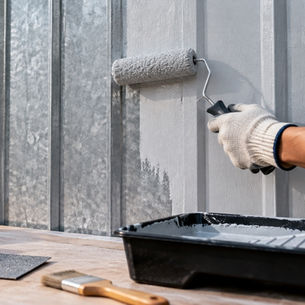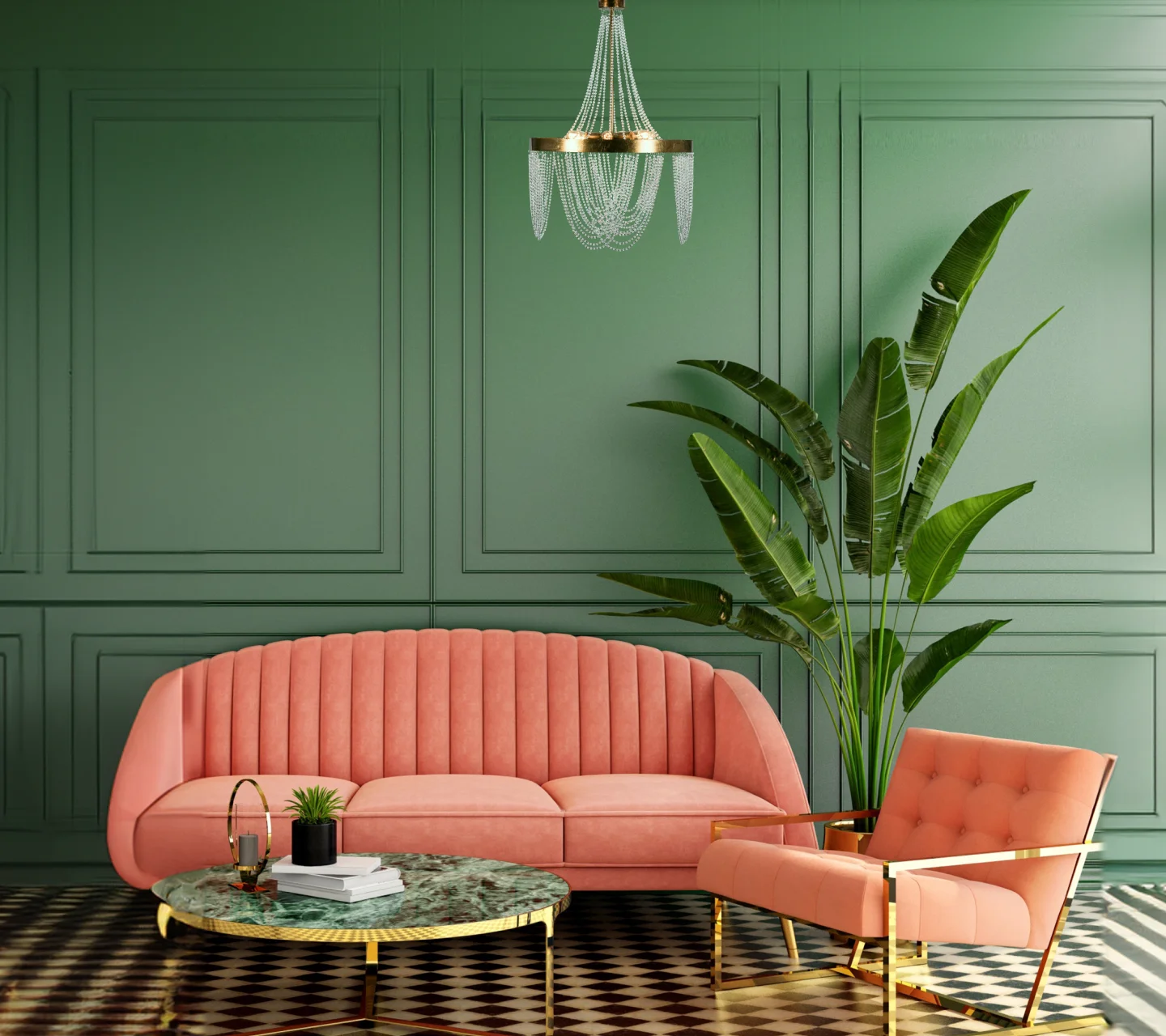


wood stain
wood stain colours
How Lighting Affects Wood Stain Colours and How to Choose the Right Shade
Choosing the perfect wood stain is not just about picking a shade you like from a catalogue. Lighting plays a major role in how wood stain colours actually appear once applied. A shade that looks rich and warm in a showroom slightly different in tone inside your home.
From natural daylight to artificial lighting, every light source interacts differently with wood surfaces. Understanding this relationship helps you choose a wood stain that enhances your interiors and looks consistent throughout the day. In this blog, we explore how lighting affects wood stain colours and how you can confidently select the right shade for your space.
IN THIS ARTICLE
What Causes Wood Stain Colours to Look Different Under Various Lighting Conditions
How Lighting Impacts the Appearance of Wood Stain Colours
Why Wood Stain Colours Look Different Under Various Lighting Conditions
Choosing the Right Wood Stain Colours for Different Types of Lighting
How Room Direction Influences Wood Stain Colour Selection
How to Match Wood Stain Colours with Interior Elements
Tips to Test and Finalise Wood Stain Colours Before Application
How Asian Paints Helps You Choose the Right Wood Stain Colour for Your Lighting

What Causes Wood Stain Colours to Look Different Under Various Lighting Conditions
Wood stain colours look different mainly because light changes how our eyes perceive colour. Natural and artificial lights vary in brightness, direction, and colour temperature. These factors influence how the undertones of a stain become visible on wood.
The type of wood also matters. A hardwood floor stain on oak will reflect light differently than the same stain on teak or pine. Grain patterns, surface finish, and stain absorption all interact with lighting to create subtle variations in appearance.
This is why a teak wood stain or walnut wood stain may look deeper and warmer in one room and cooler or flatter in another.

How Lighting Impacts the Appearance of Wood Stain Colours
Lighting affects wood stain colours in three main ways: brightness, warmth, and shadow.
Bright lighting highlights grain details and makes lighter stains appear more vibrant. Softer lighting can mute colours and make darker stains look heavier. Warm lighting enhances yellow and red undertones, while cool lighting brings out grey or neutral tones.
For example, a yellow wood stain can appear welcoming and warm under incandescent lighting but may look overly bright in direct sunlight. Similarly, a white wood stain may appear crisp under daylight but slightly creamy under warm artificial lights.

Why Wood Stain Colours Look Different Under Various Lighting Conditions
Different light sources emit different colour temperatures, measured in Kelvin. Natural daylight is usually cooler and more balanced, while artificial lights can range from warm to cool.
Warm lights enhance brown, red, and yellow tones. This makes stains like walnut wood stain or teak shades look richer and more luxurious. Cool lights reduce warmth and can make wood stains appear slightly faded or greyed.
Shadows also play a role. Corners, furniture placement, and ceiling height affect how evenly light spreads across wooden surfaces, leading to visible variations even within the same room.

Choosing the Right Wood Stain Colours for Different Types of Lighting
For rooms with ample natural light, you have more flexibility. Medium to dark stains such as walnut wood stain or classic wood floor stain shades work well because sunlight brings out their depth and grain.
In rooms with limited natural light, lighter shades are safer.
A white wood stain or light neutral stain reflects more light and prevents the space from feeling closed in. Avoid overly dark stains in dim rooms as they can make the area feel smaller and heavier.
For spaces that rely mainly on artificial lighting, choose wood stain colours that complement the light temperature. Warm lights pair well with warm-toned stains, while cooler lights suit neutral or lightly pigmented stains.

How Room Direction Influences Wood Stain Colour Selection
The direction your room faces affects the type and intensity of natural light it receives.
North-facing rooms usually get cooler, softer light. In such spaces, warm-toned stains like teak wood stain or light brown wood stain colours add balance and warmth.
South-facing rooms receive bright, warm light throughout the day. They can handle a wide range of wood stains, including darker hardwood floor stain options.
East-facing rooms get warm morning light but cooler light later in the day. Medium-toned wood stains work best here. West-facing rooms receive strong afternoon light, which can intensify colours, so subtle or neutral stains are often a better choice.

How to Match Wood Stain Colours with Interior Elements
Wood stain colours should work harmoniously with your walls, furniture, and décor. If your interiors feature neutral walls, bold wood stains like walnut or dark teak can become a strong design element.
For colourful interiors, balance is key. A neutral wood stain allows wall colours and furnishings to stand out.
Flooring plays a big role here, and choosing the right wood floor stain ensures the space feels cohesive rather than overwhelming.
Also consider metal finishes, fabrics, and ceiling colour. Warm metals pair well with warm stains, while cooler finishes suit neutral or lighter wood stain colours.

Tips to Test and Finalise Wood Stain Colours Before Application
Always test before committing. Apply sample stains on a small section of the wood or on spare planks. Observe the stain under different lighting conditions, including daylight and evening lighting.
View the samples at different times of the day. This helps you understand how the stain changes with light.
Testing is especially important for distinctive shades like yellow wood stain or white wood stain, which can shift noticeably.
Also test the final finish. Glossy finishes reflect more light, making colours appear brighter, while matte finishes absorb light and make stains look deeper.
How Asian Paints Helps You Choose the Right Wood Stain Colour for Your Lighting
Asian Paints offers a wide range of wood stain colours designed to suit different lighting conditions and interior styles. With expert guidance and curated shade options, Asian Paints helps homeowners understand how lighting affects stain appearance.
From rich walnut wood stain finishes to elegant teak wood stain and contemporary lighter tones, Asian Paints ensures consistency, durability, and aesthetic appeal. Expert consultation helps you select shades that look beautiful in your specific lighting environment, ensuring long-lasting satisfaction.
FAQs
Does lighting really affect how wood stain colour looks?
Yes, lighting significantly affects how wood stain colours appear. The same stain can look warmer, cooler, lighter, or darker depending on the light source and intensity.
Which wood stain colour works best for small or dark rooms?
Lighter stains such as white or light neutral wood stain colours work best for small or dark rooms as they reflect more light and make spaces feel open.
Do dark wood stain colours look good under artificial lighting?
Dark stains can look elegant under artificial lighting if the space is well-lit. Warm artificial lighting enhances dark wood tones, while poor lighting can make them look dull.
Should the same wood stain colour be used across all rooms?
Not necessarily. Different rooms have different lighting conditions. Choosing stain shades that suit each space ensures the wood looks consistent and appealing throughout the home.
LIKE THIS ARTICLE
Give us a thumbs up!
TEXTURE FINISH
Royale Play special effects for the interior


Call us for Painting Services
 1800-209-5678
Are you looking for home interiors?
Get tailored made designs from our interior design services by asian paints.
Are you looking for home interiors?
Get tailored made designs from our interior design services by asian paints.
Fill the form below to book an appointment with an in house interior designer.