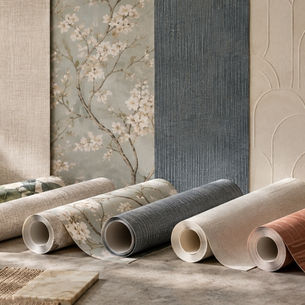


waterproofing sheet
sheet membranes
Liquid vs Sheet Waterproofing Membranes: Which Is Better for Your Home?
Waterproofing is one of those things homeowners usually think about only after a leak appears. By then, the damage is already done: peeling paint, damp walls, mould growth, and even structural issues. Choosing the right waterproofing solution early can save you a lot of stress and repair costs later.
Two of the most commonly used solutions today are liquid membrane waterproofing and sheet waterproofing membranes. Each has its own strengths, applications, and limitations. In this blog, we will break down how they work, where they are used, and how to decide which option best suits your home.
IN THIS ARTICLE
What Are Liquid Waterproofing Membranes and Where Are They Used
What Are Sheet Waterproofing Membranes and How Do They Work
Why Choosing the Wrong Waterproofing Product Leads to Leakage Problems
Why Choosing the Wrong Waterproofing Membrane Can Lead to Leakage Issues
Liquid Waterproofing Membranes vs Sheet Membranes: Key Differences Explained
Which Waterproofing Membrane Should You Choose for Your Home
Advantages and Limitations of Liquid and Sheet Waterproofing Membranes
How Asian Paints Helps You Choose the Right Waterproofing Membrane

What Are Liquid Waterproofing Membranes and Where Are They Used
Liquid waterproofing membranes are applied in liquid form using a brush, roller, or spray. Once applied, the liquid cures to form a seamless, flexible, rubber-like waterproof layer that adheres strongly to the surface.
Liquid membrane waterproofing is widely used in residential and commercial buildings because it adapts easily to different shapes and surfaces. Since there are no joints or overlaps, it significantly reduces the chances of water seepage through gaps.
Common applications include terraces and flat roofs, bathrooms and toilets, balconies, kitchens and utility areas, and water tanks and sunken slabs. Liquid membranes are especially useful for areas with complex detailing, corners, and pipe penetrations, where sheet membranes can be difficult to install properly.

What Are Sheet Waterproofing Membranes and How Do They Work
Sheet membranes are factory-manufactured waterproof layers made from materials like bitumen, PVC, EPDM rubber, or HDPE. These membranes are supplied in rolls and installed over surfaces by torch application, adhesives, or mechanical fixing.
A waterproof membrane sheet creates a physical barrier that prevents water from penetrating the structure. Because they are produced under controlled conditions, their thickness remains uniform throughout.
Sheet membranes are commonly used for large flat roofs, basements and retaining walls, podiums and parking decks, and industrial floors. Homeowners often consider the membrane sheet price as a key factor since sheet membranes usually involve higher material and installation costs compared to liquid systems.

Why Choosing the Wrong Waterproofing Membrane Can Lead to Leakage Issues
Waterproofing failures usually happen not because the product is poor, but because the wrong solution is used for a specific area. Each waterproofing system behaves differently under temperature changes, structural movement, and water pressure.
A rigid sheet membrane may crack or lose adhesion if the substrate moves. Improperly applied liquid membranes may develop thin spots that allow water seepage. Incorrect joint sealing in sheet membranes can create hidden leakage paths.
Understanding the nature of your surface, exposure to weather, and usage conditions is crucial to prevent long-term leakage problems.

Liquid Waterproofing Membranes vs Sheet Membranes: Key Differences Explained
There are several key differences between liquid membranes and sheet membranes. Liquid membranes are applied like paint, while sheet membranes are rolled out and fixed in place. Liquid membranes form a continuous layer with no joints, whereas sheet membranes have overlaps and seams that must be sealed carefully.
Liquid membranes offer excellent flexibility and crack-bridging ability, while sheet membranes are generally less flexible. Liquid systems are easier and faster to apply, whereas sheet membranes require skilled labour and precise installation. Liquid membrane waterproofing is often more economical for homes, while membrane sheet price can be higher due to material and labour costs.
Both systems perform well when applied correctly, but their suitability depends on the application area.

Which Waterproofing Membrane Should You Choose for Your Home
There is no one-size-fits-all answer. The right choice depends on where you plan to apply the waterproofing and your long-term expectations.
Liquid membranes are a good choice if you want a seamless waterproofing solution, if the area has complex shapes or many corners,
if you are waterproofing bathrooms, terraces, or balconies, or if you prefer faster application and easier maintenance.
Sheet membranes are more suitable if you are waterproofing large, open surfaces, if the area is exposed to constant water pressure, such as basements, if you want a factory-controlled thickness, or if you are comfortable with higher installation costs.
For most residential homes, liquid membrane waterproofing offers better adaptability and convenience.

Advantages and Limitations of Liquid and Sheet Waterproofing Membranes
Liquid membranes offer seamless and joint-free application, excellent adhesion to different substrates, high flexibility, and easy application and repair. However, they require proper surface preparation, and the final thickness depends on correct application.
Sheet membranes provide uniform thickness, strong resistance to water pressure, and suitability for large-scale applications. Their limitations include joints and overlaps that can become leakage points, labour-intensive installation, and a higher membrane sheet price, along with maintenance costs.
How Asian Paints Helps You Choose the Right Waterproofing Membrane
Asian Paints understands that waterproofing is a long-term investment in your home’s durability. With advanced waterproofing solutions designed for Indian climatic conditions, Asian Paints offers products that combine performance, ease of application, and durability.
Whether you are considering liquid membrane waterproofing for your terrace or exploring sheet membranes for larger areas, Asian Paints provides expert guidance to help you select the right system. Trained professionals, surface inspection services, and proven application methods ensure reliable waterproofing and peace of mind.
FAQs
What is the main difference between liquid and sheet waterproofing membranes?
The main difference lies in application and structure. Liquid membranes are applied in liquid form and cure into a seamless layer, while sheet membranes are pre-made rolls installed with joints and overlaps.
Which waterproofing membrane works best for terraces and roofs?
Liquid membrane waterproofing works best for most residential terraces and roofs because it offers flexibility, seamless coverage, and easy application over complex surfaces.
Are liquid waterproofing membranes suitable for heavy rainfall areas?
Yes, high-quality liquid membranes are suitable for heavy rainfall areas when applied correctly. Their seamless nature helps prevent water seepage even during prolonged exposure to rain.
Do sheet waterproofing membranes last longer than liquid membranes?
Both systems can last long when installed properly. Sheet membranes may perform well in high-pressure areas, while liquid membranes offer better crack-bridging and adaptability over time.
LIKE THIS ARTICLE
Give us a thumbs up!
TEXTURE FINISH
Royale Play special effects for the interior


Call us for Painting Services
 1800-209-5678
Are you looking for home interiors?
Get tailored made designs from our interior design services by asian paints.
Are you looking for home interiors?
Get tailored made designs from our interior design services by asian paints.
Fill the form below to book an appointment with an in house interior designer.