

Waterproofing Contractors
Waterproofing
Roof waterproofing
Re-Waterproofing Old Buildings: When & How to Do It
Old buildings carry history, charm, and character. But with time, the structure begins to weaken, and the first visible signs usually appear through damp walls, leaks, peeling paint, or musty smells. These issues often point to one major problem: waterproofing failure.
Re-waterproofing becomes essential to protect your building from further damage and to restore its strength. It prevents water from entering the structure and ensures long-term safety and comfort. This guide explains when an old building needs re-waterproofing, how the process works, and which Asian Paints SmartCare products offer the best protection.
IN THIS ARTICLE
Re-Waterproofing Old Buildings: When & How to Do It
Introduction: Why Re-Waterproofing Is Essential for Old Buildings
When Does an Old Building Need Re-Waterproofing?
Areas That Usually Require Re-Waterproofing
Step-by-Step Process of Re-Waterproofing an Old Building
Recommended Waterproofing Solutions for Old Structures
Benefits of Re-Waterproofing Old Buildings

Introduction: Why Re-Waterproofing Is Essential for Old Buildings
Waterproofing for building safety is not a one-time job. Over the years, the original waterproofing layers wear out due to changing weather, movement in the structure, and normal aging. As a result, moisture slowly begins to enter the walls, ceilings, and floors.
The Impact of Time and Weather on Building Structures
Old buildings go through decades of rain, heat, cold, humidity, and pollution. Constant exposure to harsh weather slowly breaks down the waterproofing materials. Roofs develop cracks, walls absorb moisture, and joints weaken. Without timely maintenance, the building begins to show damage inside and outside.
Common Signs That Indicate Failing Waterproofing
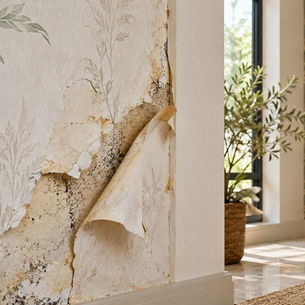
When waterproofing starts to fail, the signs become visible. These include damp patches, flaking paint, cracks, leakage, and mould formation. Ignoring these symptoms can lead to serious structural issues. This makes re-waterproofing an important step in maintaining old buildings and protecting them for future generations.

When Does an Old Building Need Re-Waterproofing?
Re-waterproofing is needed when the existing waterproofing solutions are no longer effective. Here are the most common signs that indicate it is time to act.
Visible Damp Patches or Wall Discoloration
Brown or yellow stains on walls are early signs of water seepage. They often appear near corners, window areas, or external-facing walls.
Peeling or Bubbling Paint Layers
When moisture gets trapped beneath the paint, it causes the paint film to bubble and peel. This is a clear indicator that the wall surface is absorbing water.
Cracks on Walls, Ceilings, or Terraces
Cracks allow water to enter the structure. Even hairline cracks should not be ignored because they widen over time, especially during monsoon.
Mold Growth or Musty Smells Indoors
Mold and fungus thrive in damp spaces. If your home smells musty, it is a sign of hidden moisture caused by worn-out waterproofing materials for building surfaces.
Water Leakage During Rain or Monsoon
Terrace leakage, roof leakage, or seepage during rain is one of the strongest signs that re-waterproofing is urgently needed.

Areas That Usually Require Re-Waterproofing
Every old building has certain areas that are more prone to moisture damage.
Exterior Walls and Facades
Exterior walls face constant weather exposure. Over time, the paint and waterproof layers weaken, leading to wall seepage. Waterproofing the building exterior is essential to stop rainwater from entering the structure.
Terrace and Roof Surfaces
Terrace waterproofing is one of the most crucial maintenance activities in an old building. Roof waterproofing solutions protect the slab from direct rainfall and prevent leakage inside the house.
Bathrooms and Wet Areas
Bathroom waterproofing is important because these areas deal with daily water usage. Tiles, joints, and plumbing points often allow seepage into nearby rooms if not properly treated.
Basements and Foundation Walls
Basement waterproofing is essential because these areas are usually in contact with soil moisture. Old buildings often develop foundation wall seepage if not treated correctly.
Balconies and Window Joints
Balconies and window joints often develop cracks, which allow water to enter walls. Proper sealing and waterproofing help prevent future leakage.

Step-by-Step Process of Re-Waterproofing an Old Building
Re-waterproofing requires a systematic approach for the best results. Here is how professionals and waterproofing contractors normally handle the process.
Step 1: Detailed Site Inspection and Damage Assessment
A trained expert inspects the building to identify the root cause of seepage. Moisture meters, visual checks, and surface tests help determine the level of damage.
Step 2: Surface Cleaning and Crack Filling
Before applying any waterproofing coating, the surface must be clean. Dust, algae, fungus, and loose paint are removed. Cracks are filled using a reliable product like SmartCare Crack Seal.
Step 3: Applying the Right Waterproofing Coating
Once the surface is prepared, the appropriate coating is applied. This depends on the area being treated, such as terrace, walls, or basement. The right waterproof materials for building surfaces help create a strong moisture barrier.
Step 4: Finishing and Repainting for Added Protection
After the waterproof coating dries, a high-quality exterior or interior paint is applied. This enhances protection and improves the appearance of the building.

Recommended Waterproofing Solutions for Old Structures
Asian Paints SmartCare offers advanced waterproofing solutions designed specifically for long-lasting protection.
SmartCare Damp Proof for Interior Walls
SmartCare Damp Proof is a high-performance waterproofing product that blocks dampness and prevents peeling paint and efflorescence. It is ideal for old interior walls affected by seepage.
SmartCare PU Roof Coating for Terraces
SmartCare PU Roof Coating is perfect for terrace waterproofing. It forms an elastic, durable layer that can handle standing water and weather changes, making it ideal for old terrace slabs.
SmartCare Hydroloc for Internal Seepage
SmartCare Hydroloc is a ready-to-use waterproofing solution that treats internal walls affected by moisture. It penetrates the surface and provides strong protection against seepage.
SmartCare Crack Seal for Fine Cracks and Gaps
Cracks in old buildings are common. SmartCare Crack Seal is designed to fill cracks effectively and prevent water from entering the structure through gaps.

Benefits of Re-Waterproofing Old Buildings
Re-waterproofing offers many long-term advantages that go beyond just fixing damp walls.
Prevents Structural Damage and Wall Decay
Water weakens concrete, plaster, and paint. Re-waterproofing stops moisture at the source and strengthens the building.
Improves Paint Durability and Aesthetic Appeal
When walls remain dry, paint lasts longer and looks fresh. Repainting becomes more effective after waterproofing.
Enhances Property Value and Longevity
A well-maintained building with strong waterproofing solutions gains higher value and ensures safety for many more years.
Reduces Future Maintenance Costs
Water-related damage can be expensive to repair. Timely re-waterproofing saves money in the long run by preventing bigger issues.

Expert Tips for Long-Lasting Waterproofing Results
Follow these expert recommendations to get durable and effective results.
Use Certified Waterproofing Systems and Tools
Always choose trusted products like Asian Paints SmartCare systems. These are tested and designed for long-term building waterproofing.
Always Prepare the Surface Properly Before Application
Clean surfaces ensure better product adhesion. Proper preparation is the key to strong and durable waterproofing.
Combine Waterproofing with Weather-Protective Paints
Pair waterproofing with high-quality paints like Apex Ultima Protek for extra protection from rain, heat, and humidity.
Schedule Regular Maintenance Checks
Old buildings need periodic inspection. Early detection helps prevent major damage.
Final Thoughts: Protecting Old Buildings for the Future
Timely Re-Waterproofing Prevents Costly Repairs
Re-waterproofing is not only about fixing visible issues. It is about protecting your building from deeper structural damage and avoiding heavy repair costs later.
Choose Quality Products Like SmartCare for Lasting Results
Asian Paints SmartCare products offer dependable and long-lasting solutions for waterproofing old buildings. Whether it is roof waterproofing, basement waterproofing, wall protection, or bathroom waterproofing, using the right products ensures stronger and safer homes.
LIKE THIS ARTICLE
Give us a thumbs up!
TEXTURE FINISH
Royale Play special effects for the interior


Call us for Painting Services
 1800-209-5678
Are you looking for home interiors?
Get tailored made designs from our interior design services by asian paints.
Are you looking for home interiors?
Get tailored made designs from our interior design services by asian paints.
Fill the form below to book an appointment with an in house interior designer.