

Waterproofing Membrane
waterproofing paints
Waterproof Paints vs Membrane Systems: When to Use Each
Water seepage is one of those problems that quietly damages your home until it becomes impossible to ignore. Peeling paint, damp patches, and that stubborn musty smell usually point to one thing: poor waterproofing. The real confusion starts when you try to fix it. Should you go for waterproof paints or invest in membrane systems?
Let’s break it down in a simple, practical way so you can choose the right waterproofing solution for your home.
IN THIS ARTICLE
1. What Is the Right Waterproofing Solution for Your Home?
2. What Should You Choose—Waterproof Paint or Membrane Systems?
3. What Is Waterproof Paint (Waterproof Coating)?
4. What Is a Waterproofing Membrane?
5. How Do Waterproof Paints and Membrane Systems Work Differently?
6. Why Waterproof Paint Alone May Not Be Enough
7. Why Membrane Systems Are Considered a Long-Term Waterproofing Solution
8. Waterproof Paints vs Membrane Systems: Key Differences
9. When Should You Use Waterproof Paint?
10. When Should You Use Waterproofing Membrane Systems?
11. How to Choose the Right Waterproofing Solution
12. Expert Tip: Why Professional Waterproofing Matters
13. FAQs for How to Waterproof Exterior Walls to Stop Seepage Indoors
What Is the Right Waterproofing Solution for Your Home?
There is no one-size-fits-all answer here. The right waterproofing solution depends on where the problem exists and how severe it is. A bathroom wall needs a different approach than a terrace exposed to heavy rain.
Waterproof paints, also called waterproof coatings, work well for light moisture protection. Membrane systems, on the other hand, are designed for areas that face constant water exposure or structural stress.
Think of it like this. Paint protects the surface. Membranes protect the structure.
What Should You Choose—Waterproof Paint or Membrane Systems?
If your goal is to improve surface resistance and appearance, waterproof paints are a quick and effective option. If you are dealing with leaks, cracks, or long-term water exposure, membrane systems are the safer choice.
In many real-life cases, the best results come from using both together.

What Is Waterproof Paint (Waterproof Coating)?
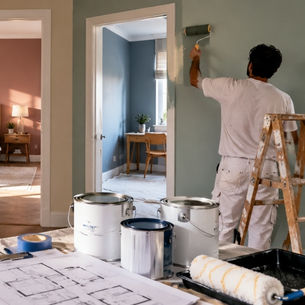
Waterproof paint is a type of waterproof coating that forms a protective layer on walls or ceilings. It prevents water from seeping into the surface and also improves durability.
These coatings are easy to apply and are commonly used for:
Interior walls with mild dampness
Bathrooms and kitchens
Exterior walls for added protection
What Is a Waterproofing Membrane?
If you are wondering what a waterproofing membrane is, here is a simple way to understand it. A waterproofing membrane is a barrier layer that blocks water from entering the structure entirely. It sits between the surface and the water source, creating a seal.
There are two main types of membrane systems.

Liquid membrane
Liquid membranes are applied like paint but behave very differently. Once applied, they cure into a thick, rubber-like layer that is seamless and flexible.
They are ideal for:
Terraces
Bathrooms
Balconies
Areas with complex shapes

Sheet membrane
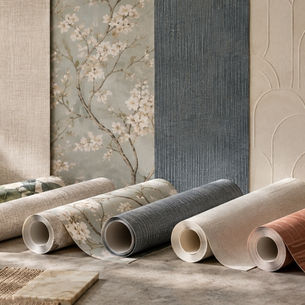
Sheet membranes come as pre-formed rolls. Professionals install them over surfaces using adhesives or heat.
They are commonly used in:
Foundations
Roof slabs
Basements
They offer consistent thickness and high durability.
How Do Waterproof Paints and Membrane Systems Work Differently?
Understanding how these solutions function will help you choose better.
Waterproof Paints
Waterproof paints create a thin barrier on the surface. They reduce water absorption and slow down moisture penetration.
Key features:
Easy application
Enhances appearance
Works best for minor dampness
They are not designed to handle structural cracks or heavy water pressure.
Membrane Systems
Membrane systems form a continuous waterproof layer that prevents water from passing through entirely.
Key features:
High flexibility
Crack-bridging ability
Long-term protection
They are engineered to handle harsh conditions, including standing water and temperature changes.
Why Waterproof Paint Alone May Not Be Enough
Waterproof paint can solve surface-level issues, but it does not address deeper structural problems. If water is entering through cracks or joints requiring a proper crack seal, paint will only hide the symptoms for a while.
Over time, the problem returns, often worse than before.
For example, terrace leaks or basement seepage require a more robust solution than just a standard surface waterproofing products or coating.
Why Membrane Systems Are Considered a Long-Term Waterproofing Solution
Membrane systems are built for durability. They not only block water but also adapt to structural movement.
This is especially important in Indian homes where temperature fluctuations and monsoon rains can stress building materials.
Membranes:
Resist water pressure
Bridge cracks
Last longer than coatings
Provide structural protection
That is why professionals prefer membrane systems for critical areas like roofs and foundations.
Waterproof Paints vs Membrane Systems: Key Differences
Feature | Waterproof Paints (Coating) | Membrane Systems |
Application | Brush or roller | Professional installation |
Durability | Moderate | High |
Crack Bridging | Low | Excellent |
Cost | Lower upfront | Higher upfront |
Lifespan | 3 to 5 years | 8 to 15 years |
Best Use | Walls, interiors | Terraces, basements, wet areas |

When Should You Use Waterproof Paint?
Waterproof paints are a good choice when:
You notice mild dampness on the walls
You want added protection along with aesthetics
You need a quick and budget-friendly fix
The surface has no major cracks or leakage
They are perfect for maintenance and prevention, especially in interior spaces.

When Should You Use Waterproofing Membrane Systems?
Go for membrane systems when:
You see active leakage or seepage
The area is exposed to heavy rain or water stagnation
There are visible cracks
You want a long-term solution
Terraces, balconies, and bathrooms benefit the most from membrane systems, often layered under a tile coat.
How to Choose the Right Waterproofing Solution
Choosing the right solution does not have to be complicated. Just follow these steps.
Step 1: Identify the Problem
Check whether the issue is surface dampness or deep leakage. Peeling paint usually means surface moisture, while dripping water indicates structural issues.
Step 2: Evaluate Exposure Level
Ask yourself how much water the area receives. A bedroom wall is very different from a terrace during the monsoon.
Step 3: Consider Longevity
Do you want a temporary fix or a long-term investment? Waterproof coatings are quicker, while membrane systems offer durability.
Step 4: Combine Both (Best Practice)
In many cases, the smartest approach is to use a membrane for protection and a waterproof paint on top for finishing.
This combination gives you both performance and aesthetics.
Expert Tip: Why Professional Waterproofing Matters
Waterproofing is not just about applying a product. Surface preparation, correct application, and choosing the right system make a huge difference.
Professionals understand how different materials behave and can recommend the best membrane systems or coatings for your home.
A poorly applied solution can fail quickly, no matter how good the product is.
FAQs for Waterproof Paints vs Membrane Systems
What is the difference between a waterproof coating and a waterproofing membrane?
A waterproof coating protects the surface from moisture, while a waterproofing membrane creates a barrier that stops water from entering the structure entirely.
Which is better for terrace waterproofing: paint or membrane systems?
Membrane systems are better for terraces because they handle standing water, cracks, and weather exposure more effectively.
How long does waterproof paint last compared to membranes?
Waterproof paint usually lasts around 3 to 5 years. Membrane systems can last anywhere between 8 to 15 years, depending on quality and application.
Can waterproof coating replace a waterproofing membrane?
No, a waterproof coating cannot fully replace a membrane. It works well for mild issues, but does not provide structural protection as membranes do.
What is the best waterproofing solution for Indian monsoon conditions?
For heavy monsoon conditions, membrane systems are the most reliable choice. You can combine them with waterproof paints for added protection and finish.
LIKE THIS ARTICLE
Give us a thumbs up!
TEXTURE FINISH
Royale Play special effects for the interior


Call us for Painting Services
 1800-209-5678
Are you looking for home interiors?
Get tailored made designs from our interior design services by asian paints.
Are you looking for home interiors?
Get tailored made designs from our interior design services by asian paints.
Fill the form below to book an appointment with an in house interior designer.