The Ultimate Guide to Tile Waterproofing
Tiles are widely used in bathrooms, kitchens, balconies, terraces, and other moisture-prone areas because they are durable and easy to maintain. However, tiles alone do not stop water from penetrating the surface. Moisture can pass through grout joints, gaps, and cracks, eventually reaching the underlying structure and causing water damage.
Tile waterproofing creates a protective barrier beneath or around tiled surfaces, helping prevent leaks, dampness, and structural deterioration. Combined with high-quality tile adhesive, epoxy tile grout, and proper installation techniques, waterproofing helps improve the performance and lifespan of tiled areas.
Asian Paints offers complete waterproofing solutions designed to protect tiled surfaces from moisture while enhancing their durability. Whether you are building a new home or renovating an existing one, the right waterproofing system helps keep your tiled spaces dry, attractive, and long-lasting.
What is Tile Waterproofing?
Tile waterproofing is the process of protecting tiled surfaces from moisture by applying waterproofing products beneath or around the tiles before installation. The waterproofing layer prevents water from reaching the concrete or masonry below, reducing the risk of leakage, dampness, and structural damage.
It is important to understand that ceramic or porcelain tiles are not completely waterproof. Water can still pass through grout joints, expansion joints, or damaged tiles if there is no waterproofing system underneath.
A complete tile installation generally includes:
A suitable waterproofing system.
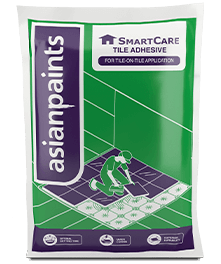
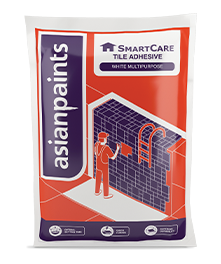
Quality tile adhesive cement or tiles adhesive for fixing the tiles.
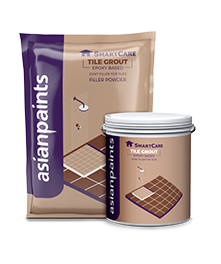
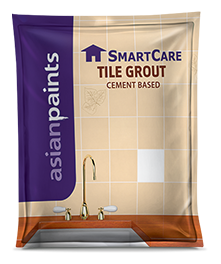
Durable grout, such as epoxy tile grout, to seal tile joints.
Proper installation by trained professionals.
When these components work together, they help create a stronger, more durable tiled surface with improved resistance to moisture.
Why is Tile Waterproofing Important?
Water can slowly penetrate tiled surfaces through grout lines, joints, and small cracks. Without proper waterproofing, this moisture may cause hidden damage beneath the tiles, resulting in costly repairs over time.
Tile waterproofing offers several important benefits:
Helps prevent water leakage beneath tiles.
Protects the underlying concrete and masonry.
Reduces the risk of dampness and mould growth.
Improves the durability of tiled surfaces.
Prevents tiles from loosening due to moisture damage.
Helps extend the life of adhesives and grout.
Reduces long-term maintenance costs.
Improves the overall performance of tiled areas.
Investing in proper waterproofing before tile installation helps protect both the tiles and the structure underneath.
Where Tile Waterproofing is Most Needed
Some areas of a home experience frequent exposure to water and therefore require effective tile waterproofing.
Bathrooms
Bathrooms are constantly exposed to water from showers, wash basins, and plumbing fixtures. Waterproofing beneath the tiles helps prevent leakage into adjoining rooms and protects the floor and walls from long-term moisture damage.
Recommended Asian Paints Products:
Kitchens
Kitchen floors and walls near sinks are exposed to frequent water splashes and plumbing connections. Waterproofing helps protect these areas from hidden moisture damage.
Using a quality tile adhesive together with waterproofing improves the durability of the tiled surface.
Balconies
Balconies are directly exposed to rainwater and changing weather conditions. Waterproofing beneath outdoor tiles helps reduce the risk of water entering nearby rooms and lower floors.
Recommended Asian Paints Products:
Terraces
Terraces experience continuous exposure to sunlight, rain, and standing water during the monsoon. Waterproofing beneath terrace tiles protects the concrete slab and reduces the likelihood of leakage into the rooms below.
Swimming Pools
Swimming pools require highly effective waterproofing because they are in constant contact with water.
A complete waterproofing system, combined with suitable tile adhesive cement and epoxy tile grout, helps minimise leakage and improves the durability of the tiled finish.
Benefits of Waterproofing for Tiled Surfaces
Proper tile waterproofing protects not only the tiles but also the structure beneath them. It improves the durability of the entire tiled system while reducing maintenance over time.
Prevents Water Damage
A waterproofing layer prevents water from penetrating beneath the tiles, helping protect concrete, plaster, and adjacent rooms from moisture damage.
Improves Tile Longevity
Moisture can weaken adhesives and grout over time. Waterproofing helps preserve the bond between the tiles and the substrate, improving the lifespan of the tiled surface.
Reduces Maintenance Costs
Preventing leaks and hidden moisture damage reduces the need for expensive repairs, tile replacement, and repeated maintenance.
Improves Aesthetic Appeal
Well-protected tiled surfaces remain cleaner and more attractive by reducing stains, efflorescence, mould growth, and discolouration caused by moisture.
Types of Tile Waterproofing Methods
Different tiled areas require different waterproofing methods depending on their exposure to moisture and the type of surface. Choosing the right waterproofing system helps improve durability and reduces the risk of future leakage.
Cementitious Waterproofing
Cementitious waterproofing is widely used beneath tiles in bathrooms, kitchens, balconies, and water tanks. It bonds well with concrete and masonry surfaces and provides a reliable waterproof base before tile installation.
Liquid Waterproofing Membrane
Liquid waterproofing membranes are applied as a coating that dries to form a seamless waterproof barrier. They are suitable for bathrooms, terraces, balconies, and other tiled areas exposed to regular moisture.
Polyurethane Waterproofing
Polyurethane waterproofing forms a flexible membrane that accommodates minor surface movement while preventing water penetration. It is commonly used for terraces and balconies where weather exposure is high.
Waterproofing Membranes
Preformed waterproofing membranes are installed beneath tiles to prevent water from reaching the substrate. They are often used in showers, bathrooms, swimming pools, and commercial wet areas.
Epoxy Grouting Systems
While epoxy tile grout is not a waterproofing layer on its own, it provides excellent water resistance at tile joints. It helps reduce water absorption through grout lines and complements the overall waterproofing system.
Best Waterproofing Solutions for Tiled Surfaces
Selecting the right waterproofing products depends on where the tiles are installed and the amount of moisture exposure.
Asian Paints offers a range of waterproofing solutions that help protect tiled surfaces while improving their durability.
SmartCare Bathroom Waterproofing Kit
Designed for bathrooms and other wet areas, this solution helps prevent water from penetrating beneath floor and wall tiles.
SmartCare Terrace Waterproofing
Suitable for terraces and balconies, this waterproofing system protects the concrete slab beneath outdoor tiled surfaces from rainwater and moisture.
SmartCare Damp Proof
A waterproof coating that helps reduce moisture penetration through walls adjoining tiled areas and improves the durability of painted surfaces.
SmartCare Damp Proof Ultra
Provides enhanced waterproof protection for areas exposed to severe moisture conditions.
For best results, these waterproofing systems should be used together with a quality tile adhesive, suitable tile adhesive cement, and epoxy tile grout to create a complete moisture-resistant tiling system.
Step-by-Step Tile Waterproofing Process
Proper tile waterproofing involves several important steps to ensure long-lasting protection.
Step 1: Surface Inspection
The surface is inspected to identify cracks, uneven areas, and any existing moisture problems.
Step 2: Surface Preparation
Dust, loose particles, grease, and damaged material are removed to create a clean surface for waterproofing.
Step 3: Crack Repair
Visible cracks and joints are repaired before applying the waterproofing system.
Step 4: Waterproofing Application
The selected waterproofing product is applied evenly across the surface according to the recommended application method.
Step 5: Curing
The waterproofing layer is allowed to cure completely before tile installation begins.
Step 6: Tile Installation
Tiles are fixed using a suitable tile adhesive or tile adhesive cement to achieve strong bonding.
Step 7: Grouting
Tile joints are filled using epoxy tile grout or another suitable grout to help minimise water penetration through the joints.
Step 8: Final Inspection
The completed tiled surface is inspected to ensure proper installation and waterproofing performance.
Common Issues with Tiling Without Waterproofing
Skipping waterproofing before tile installation can lead to several problems that may not become visible immediately.
Water Leaks and Seepage
Without a waterproof barrier, water can pass through grout joints and cracks, leading to hidden moisture beneath the tiles. Over time, this may cause leakage into adjacent rooms or lower floors.
Mold and Mildew Growth
Persistent moisture beneath tiles creates favourable conditions for mould and mildew, affecting both indoor air quality and the appearance of tiled surfaces.
Tile Cracking and Damage
Moisture can weaken the bond between the tiles and the substrate, causing tiles to loosen, crack, or become hollow over time.
Increased Repair Costs
Repairing leakage beneath tiled surfaces often requires removing tiles, repairing the damaged waterproofing, and reinstalling the flooring. Proper waterproofing during construction helps avoid these costly repairs.
Signs of Waterproofing Failure Under Tiles
Waterproofing systems can deteriorate over time due to ageing, poor installation, or structural movement. Recognising the early signs of failure allows timely repairs before extensive damage occurs.
Common signs include:
Damp patches on nearby walls or ceilings.
Water leakage into lower floors.
Loose or hollow-sounding tiles.
Cracked grout joints.
Tiles lifting from the surface.
Persistent mould or mildew.
White deposits (efflorescence) around grout lines.
Unpleasant musty odours.
Peeling paint near tiled areas.
Repeated leakage during rainfall or regular water use.
If any of these signs are present, a professional inspection is recommended to identify the cause and recommend the appropriate waterproofing solution.
Common Mistakes to Avoid During Tile Waterproofing
Proper tile waterproofing requires careful planning, quality materials, and correct installation techniques. Avoiding common mistakes helps improve the durability of tiled surfaces and reduces the risk of future leakage.
Skipping Surface Preparation
Applying waterproofing over dusty, uneven, or damaged surfaces can reduce adhesion and affect the performance of the waterproofing system. The surface should always be cleaned and repaired before waterproofing begins.
Not Repairing Cracks Before Waterproofing
Cracks in the concrete or masonry should be repaired before applying waterproofing. Leaving cracks untreated may allow water to penetrate beneath the tiles, even if a waterproofing layer is present.
Using the Wrong Tile Adhesive
Using an unsuitable tile adhesive or tile adhesive cement may weaken the bond between the tiles and the substrate, especially in moisture-prone areas. Choosing the right adhesive helps improve the durability of the tiled surface.
Applying Waterproofing Incorrectly
Incomplete coverage, uneven application, or insufficient drying time can reduce the effectiveness of the waterproofing system. Following the recommended application process helps ensure reliable protection.
Ignoring Tile Joints
Grout joints are one of the most common pathways for moisture. Using high-quality epoxy tile grout helps improve water resistance and protects the tiled surface.
Installing Tiles Before Waterproofing Has Cured
Tiles should only be installed after the waterproofing layer has fully cured. Installing them too early may affect adhesion and reduce the performance of the waterproofing system.
Best Practices for Tiling Waterproofing Application
Following the correct installation process helps improve the lifespan of tiled surfaces and ensures effective moisture protection.
Some recommended best practices include:
Inspect the surface thoroughly before starting work.
Repair all cracks and damaged areas before waterproofing.
Use waterproofing products suitable for the specific application.
Allow each waterproofing coat to dry as recommended.
Use a high-quality tile adhesive or tile adhesive cement for tile installation.
Seal tile joints with epoxy tile grout for better moisture resistance.
Ensure proper slope in wet areas to prevent water accumulation.
Carry out a water ponding test where applicable before installing tiles.
Follow the manufacturer's recommendations for curing and application.
Using the right products and installation techniques helps create a durable and leak-resistant tiled surface.
Tile Waterproofing Cost in India
The cost of tile waterproofing depends on the area being waterproofed, the condition of the surface, the waterproofing system selected, and the materials used during installation.
Bathrooms and kitchens generally require smaller waterproofing areas, while terraces, balconies, and swimming pools may involve larger surfaces and more extensive preparation.
A professional site inspection helps determine the most suitable waterproofing solution and provides an accurate estimate based on your project requirements.
Factors Affecting Tile Waterproofing Cost
Several factors influence the overall cost of tile waterproofing, including:
Total area requiring waterproofing.
Condition of the existing surface.
Crack repair requirements.
Type of waterproofing system selected.
Quality of the tile adhesive or tile adhesive cement.
Type of grout, including epoxy tile grout.
Number of waterproofing coats required.
Labour and installation complexity.
Accessibility of the work area.
Whether it is a new installation or a repair project.
Choosing quality waterproofing products and proper installation methods can help reduce long-term maintenance and repair costs.
Tips to Maintain Waterproofed Tiled Surfaces
Regular maintenance helps preserve both the waterproofing system and the tiled finish.
Here are a few simple maintenance tips:
Clean tiled surfaces regularly to prevent dirt and moisture build-up.
Inspect grout joints periodically for signs of wear or damage.
Repair cracked or loose tiles as soon as they are noticed.
Replace damaged grout promptly to prevent water penetration.
Avoid using harsh chemicals that may damage grout or tile finishes.
Check bathrooms, balconies, and terraces regularly for early signs of leakage.
Ensure floor drains remain clean and unobstructed.
Arrange periodic inspections for areas exposed to heavy moisture.
Routine maintenance helps extend the life of your tile waterproofing system and reduces the likelihood of costly repairs.
Why Choose Asian Paints Tiling Waterproofing Solutions?
Effective tile waterproofing requires more than just quality tiles. A complete system—including waterproofing products, suitable adhesives, and proper installation—helps protect tiled surfaces from moisture and extends their lifespan.
Asian Paints offers end-to-end waterproofing solutions designed for bathrooms, kitchens, balconies, terraces, and other wet areas. Professional inspections help identify the right waterproofing system based on the condition of the surface and the level of moisture exposure.
By combining advanced waterproofing products with trusted installation practices, Asian Paints helps reduce the risk of leakage, dampness, and tile damage while improving the durability of tiled surfaces.
Asian Paints Tile Waterproofing Products
Asian Paints offers a range of products that work together to create a reliable tile waterproofing system.
SmartCare Bathroom Waterproofing Kit
Designed for wet areas such as bathrooms, this solution helps create a protective waterproof barrier beneath wall and floor tiles.
SmartCare Terrace Waterproofing
Suitable for terraces and balconies, it helps protect tiled surfaces from rainwater and moisture while reducing the risk of leakage.
SmartCare Damp Proof
A waterproof coating that helps protect adjoining walls from moisture and supports long-lasting finishes.
SmartCare Damp Proof Ultra
Provides enhanced waterproofing performance for areas exposed to severe moisture conditions.
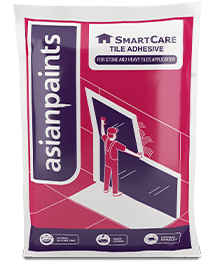
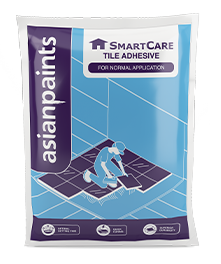
SmartCare Tile Adhesive
A high-quality tile adhesive that provides strong bonding for ceramic, vitrified, and other types of tiles, helping improve the durability of tiled installations.
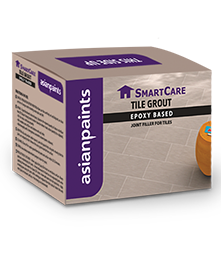
SmartCare Epoxy Tile Grout
This epoxy tile grout helps seal tile joints, offers excellent water resistance, and improves the appearance and durability of tiled surfaces.
Using compatible waterproofing products, adhesives, and grouts as part of a complete system helps deliver reliable, long-lasting protection for tiled areas throughout your home.