

Wood Finishes
Wall textures
Combining Wood Finishes with Wall Textures and Paints
Wood brings warmth. Wall surfaces bring personality. When the two come together thoughtfully, a room feels balanced and complete.
But mixing wood finishes with wall paint and textures takes more than picking shades you like. Undertones matter. Light matters. Texture matters. The right combination can elevate your interiors. The wrong one can make the space feel heavy or disconnected.
Here’s how to get it right.
What Are Wood Finishes, Wall Textures, and Paints in Interior Design
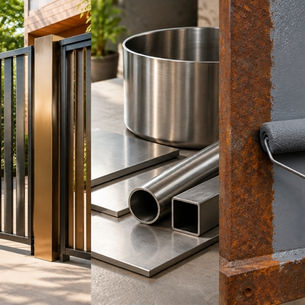
Wood finishes refer to the final treatment applied to wooden surfaces. This includes wood polish, wood paint, and wood stain. Each option changes how the grain looks and how the surface reflects light.
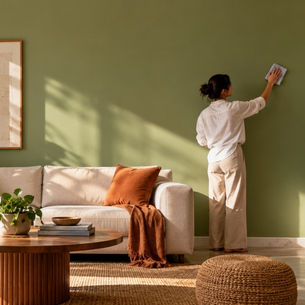
Wall paint defines the colour and mood of the room. It can be matte, satin, or glossy depending on the finish.
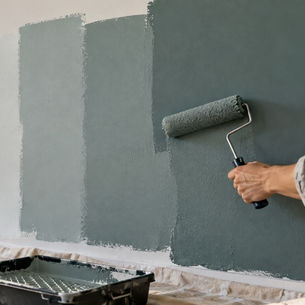
Wall texture adds depth and dimension. From subtle patterns to bold textured effects, it changes how light interacts with the surface.
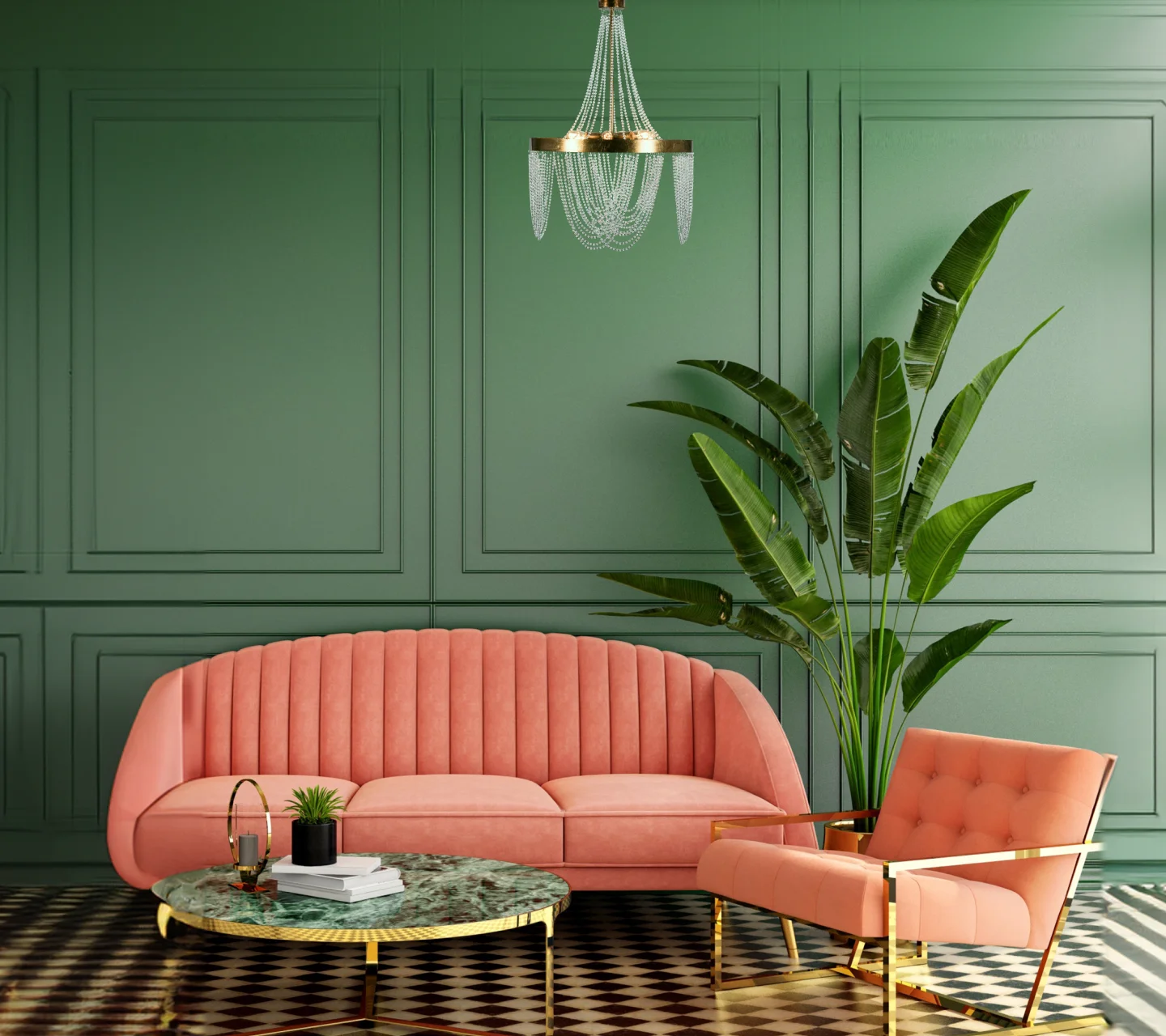
When you combine wood furniture, wall texture, and paint thoughtfully, you create a cohesive interior that feels intentional.
Why Coordinating Wood Finishes with Wall Surfaces Matters
Walls form the largest visual surface in a room. Wood elements, whether flooring, doors, cabinets, or furniture, add contrast and structure.
If the undertones clash, the space feels awkward. If both surfaces compete for attention, the room loses harmony.
Coordinating wood finishes with wall paint ensures:
Balanced colour flow
Better light reflection
A sense of visual continuity
A timeless design outcome
When everything works together, the room feels layered rather than crowded.
Common Design Problems Homeowners Face When Mixing Finishes
Blending materials sounds simple. In practice, small missteps can change the entire mood of the space.

Mismatched tones and undertones
Warm-toned wood stain paired with cool grey wall paint can feel disconnected. Undertones need to complement each other for a smooth look.

Rooms looking too dark or heavy
Dark wood furniture combined with deep wall texture and bold wall paint can absorb too much light. The room may start feeling smaller than it is.

Overuse of textures creating clutter
Layering heavy wall texture with intricate wood finishes may overwhelm the space. Texture works best when used with restraint.

Furniture not blending with walls
If wood paint or polish contrasts sharply with the wall, furniture can look like it belongs in a different room.

Trendy choices ageing quickly
Highly experimental combinations may look exciting today, but lose appeal over time. Balanced coordination tends to last longer.
How to Combine Wood Finishes with Wall Textures and Paints the Right Way
Start with the wood. Identify its undertone. Is it warm and reddish, neutral beige, or deep brown?
Next, choose wall paint that complements that undertone. For warm wood finishes, consider creamy neutrals, earthy tones, or soft beiges. For cooler wood shades, muted greys or off whites create harmony.
Keep one surface dominant and let the other support it. If your wood furniture features strong grain patterns, opt for subtle wall texture. If you prefer bold textured walls, choose simpler wood finishes.
Balance light and dark. Light wall paint pairs beautifully with dark wood furniture. Medium toned wood works well with both soft neutrals and deeper feature walls.
Use wood stain when you want to highlight natural grain. Choose wood paint for a more contemporary or uniform look. The key lies in creating contrast without conflict.
Popular Wall Texture and Paint Options to Pair with Wood
Certain combinations consistently work well in homes.
Matte wall paint with natural wood stain for a soft, organic look
Subtle wall texture with walnut wood finishes for a modern aesthetic
Neutral textured walls with teak wood furniture for warmth
Satin finish wall paint paired with painted wooden cabinets for a clean finish
Light beige or greige walls with oak wood surfaces for balanced brightness
When selecting wall paint, test samples alongside your wood furniture. Lighting can shift how both surfaces appear.
Mistakes to Avoid When Mixing Wood Finishes and Wall Textures
Avoid combining too many wood tones in one room unless you maintain a common undertone. Too much variation can feel unstructured.
Do not ignore natural light. A dark wall texture in a low light room may overpower lighter wood pieces.
Avoid glossy finishes on both wood paint and walls in the same space. Excess shine can distract from the design.
Keep scale in mind. Large textured walls work best when furniture lines remain simple. Detailed wood polish patterns pair better with smooth wall paint.
Thoughtful restraint often produces the most refined results.
How Asian Paints Helps You Create Perfectly Coordinated Wood and Wall Finishes
At Asian Paints, we understand that walls and wood surfaces must work together, not compete.
We offer a wide range of wall paint shades, innovative wall texture finishes, and premium wood finishes, including wood polish, wood stain, and wood paint options. Our experts help you identify undertones and create combinations that suit your lighting and décor style.
Through professional consultation and application services, we ensure consistency across walls, cabinets, doors, and furniture. Whether you prefer classic warmth or modern minimalism, we guide you in achieving a coordinated, long-lasting finish.
Our approach focuses on balance, durability, and design harmony so your interiors feel complete and thoughtfully styled.
FAQS
How do I match wood furniture with wall paint colours?
Start by identifying the undertone of your wood furniture. Choose wall paint that complements that undertone rather than contrasts harshly. Testing small samples together helps you see how they interact in your space.
Should wood finishes be lighter or darker than walls?
Both options can work. Light walls with darker wood furniture create strong contrast. Medium toned wood pairs well with soft neutrals. The key is maintaining balance in brightness and undertone.
Can textured walls work with wooden furniture?
Yes. Textured walls can enhance wooden furniture when the scale and intensity are balanced. Subtle wall texture often pairs beautifully with natural wood finishes.
Which paint finishes go best with wood surfaces?
Matte and satin wall paint finishes work well with most wood finishes. They provide elegance without excessive shine and allow the wood’s natural beauty to stand out.
LIKE THIS ARTICLE
Give us a thumbs up!
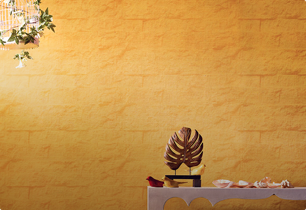
TEXTURE FINISH
Royale Play special effects for the interior


Call us for Painting Services
 1800-209-5678
Are you looking for home interiors?
Get tailored made designs from our interior design services by asian paints.
Are you looking for home interiors?
Get tailored made designs from our interior design services by asian paints.
Fill the form below to book an appointment with an in house interior designer.