











Wall Crack & Joints Repair Waterproofing
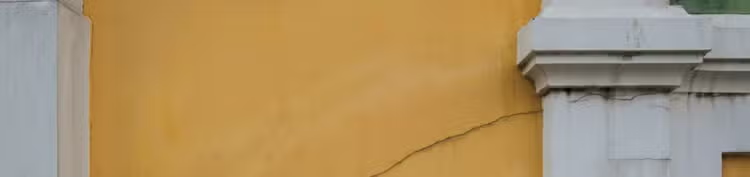
WATERPROOFING MADE SUPER EASY
Cracks & Joints
Cracks & Joints products
Showing 13 of 13 products
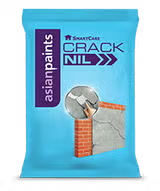
Crack Nil
- Crack filling
- Waterpoofing
- Adhesion
MRP ₹80.00(Inclusive of all taxes) per L
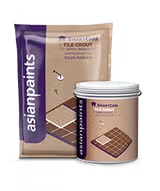
SmartCare Tile Grout - Epoxy Based 3K
- Water Resistant
- Chemical Resistant
- Range of shades
MRP ₹2182.00(Inclusive of all taxes) per L
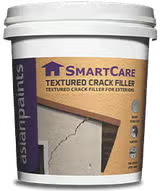
SmartCare Textured Crack Filler
- Grainy Texture
- Ease of use
- Excellent Paintability
MRP ₹342.00(Inclusive of all taxes) per L
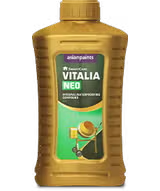
SmartCare Vitalia Neo
- Water Impermeability
- Compressive Strength
- Workability
MRP ₹131.00(Inclusive of all taxes) per L
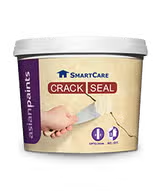
SmartCare Crack Seal
- Crack Filing
- High Flexibility
- Mechanical Strength
MRP ₹1092.00(Inclusive of all taxes) per L
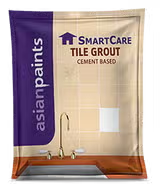
SmartCare Tile Grout - Cement Based
- Economical
- Easy-to-apply
- Water Resistance
MRP ₹112.00(Inclusive of all taxes) per L
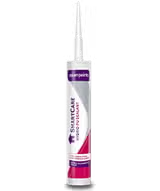
SmartCare Hybrid PU Sealant
- Excellent Adhesion
- Paintable
- Water Resistant
MRP ₹1047.00(Inclusive of all taxes) per L

SmartCare Roof Tapes
- Superior Technology
- Weather and Chemical Resistance
- Flexibilty
MRP ₹932.00(Inclusive of all taxes) per L
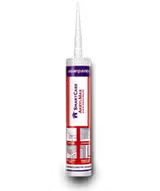
SmartCare AkrylMax
- Paintable
- Odourless
- Water Resistant
- Non Corrosive
MRP ₹555.00(Inclusive of all taxes) per L
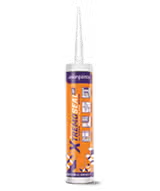
XtremoSeal GP
- Water-resistant
- Anti-fungal
- Mold-resistant
MRP ₹1357.00(Inclusive of all taxes) per L
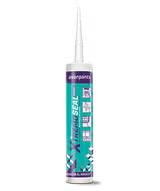
XtremoSeal Neutral
- Water-resistant
- Anti-fungal
- Non-corrosive
MRP ₹1500.00(Inclusive of all taxes) per L
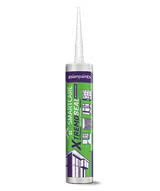
XtremoSeal Weatherproof
- Water-resistant
- UV resistant
- Anti-fungal
MRP ₹1786.00(Inclusive of all taxes) per L
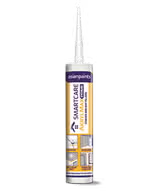
Akrylmax Prime
- Water-resistant
- Paintable
- UV resistant
MRP ₹614.00(Inclusive of all taxes) per L




No products match the selected filters.
The price per litre is calculated based on the largest available pack size. Please note that the final cost may vary depending on the chosen shade and finish.


Get Expert Advice
Fill the form below to get a free waterproofing site evaluation done by an Asian Paints waterproofing expert


Other Problem Areas
Explore our comprehensive range of waterproofing solutions, designed to address every need from interior to exterior surfaces. With our innovative products protect your space against moisture and ensure long-lasting durability.

Terrace & tanks
Avoid leaks and damp-proof your roof with the line of waterproofing products we have to offer.
View Details
Exterior Walls
Protect your homes from the exteriors and avoid seepage issues by our range of exterior waterproofing solutions.
View Details
Interior Walls
Keep your home interiors protected from dampness and efflorescence with our range of interior waterproofing solutions.
View Details
Bathrooms
Dodge the problem of unwanted seepage and leakage in your bathrooms with expert waterproofing solutions.
View Details
Tiling Solutions
Say goodbye to loose tiles and leakages from tile gaps by our range of tiling solutions.
View Details
All Products
Go through all of our waterproofing products and see what you require according to your needs.
View DetailsWhat our
clients say about us!




Expert Tips
09 October 2025
Wall Crack Repair: How to Fix Wall Crack?
Filling Cracks in Walls
Fixing Cracks in Walls
Discover how to repair cracks in walls & holes effectively. Follow our guide for fixing a crack in a wall, filling holes, & achieving a smooth, flawless finish with Asian Paints.

22 June 2023
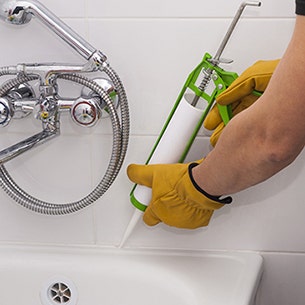
Protect Your Wet Areas with Professional Waterproofing Services - Asian Paints
Cover and protect your moist areas with the proper wet area waterproofing services from Asian Paints with the best expert consultation.
22 June 2023
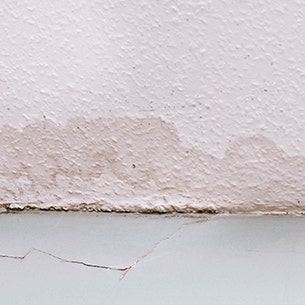
Know the Most Common Signs of Water Damage - Asian Paints
Is your home a victim of water damage? Click here for the most common signs of water damage and waterproofing solutions to eliminate them! – Asian Paints
You may also like


Complete Guide to Wall Crack Repair & Waterproofing
Wall cracks may seem like a minor cosmetic issue, but they can often indicate underlying problems such as structural movement, moisture intrusion, or ageing construction materials. If left untreated, even small cracks can allow water seepage to enter walls, leading to dampness, peeling paint, mould growth, and costly repairs.
Timely wall crack repair not only restores the appearance of your walls but also helps protect your home from long-term damage. Depending on the type and severity of the crack, repairing it may involve using a suitable crack filler, crack seal, or a complete waterproofing system. When combined with professional waterproofing, crack repair strengthens vulnerable areas and helps prevent moisture from penetrating the surface.
Asian Paints offers advanced crack repair and waterproofing solutions that are designed to address both interior and exterior wall cracks. From sealing hairline cracks to repairing wider gaps, the right products and application methods can help ensure durable, long-lasting protection for your home.
What is Wall Crack Repair & Waterproofing?
Wall crack repair is the process of identifying, repairing, and sealing cracks in walls to restore their strength, appearance, and durability. The repair process varies depending on the size, depth, and cause of the crack, ranging from filling minor surface cracks to repairing deeper structural damage.
Waterproofing is an equally important part of the process. Cracks can become easy pathways for rainwater and moisture to enter the wall, causing water seepage and dampness over time. Applying suitable waterproofing products after repairing the cracks helps create a protective barrier that prevents moisture from entering the wall again.
Professional wall crack repair usually involves cleaning the damaged area, applying an appropriate crack filler or crack seal, and finishing the surface before repainting. For exterior walls exposed to harsh weather, waterproof coatings provide an additional layer of protection against rain and humidity.
Why is Wall Crack Repair Important?
Repairing wall cracks at the right time helps prevent small issues from developing into larger structural problems. Cracks that are ignored may continue to widen, allowing moisture to penetrate the wall and weaken the building over time.
Some key benefits of timely wall crack repair include:
- Prevents water seepage through cracks.
- Reduces dampness and mould growth.
- Protects plaster, paint, and wall finishes.
- Improves the strength and durability of the wall.
- Prevents cracks from spreading further.
- Reduces long-term maintenance and repair costs.
- Enhances the appearance of interior and exterior walls.
- Creates a better surface for repainting.
Repairing cracks before they worsen is often simpler, faster, and more cost-effective than repairing extensive water damage later.
How Does Wall Crack Waterproofing Work?
Wall crack waterproofing involves repairing damaged areas and sealing them against future moisture intrusion. The process combines crack repair with waterproofing to provide long-lasting protection for both interior and exterior walls.
-
Sealing Cracks for Interior Walls
Interior walls often develop cracks due to normal building movement, drying of plaster, or minor settlement. These cracks are cleaned and repaired using a suitable crack filler before the surface is finished and repainted.
For areas affected by moisture or dampness, waterproofing products may also be applied to reduce the risk of recurring damage.
Recommended Asian Paints Products:
- Asian Paints Crack Seal – Ideal for sealing hairline cracks before painting.
- SmartCare Crack Fill Paste – Suitable for repairing minor surface cracks and preparing walls for repainting.
-
Filling Cracks in Exterior Walls
Exterior walls are exposed to rain, sunlight, and changing weather conditions, making them more vulnerable to moisture damage.
Repairing exterior cracks usually involves cleaning the crack, applying a durable crack seal, and protecting the wall with suitable waterproofing products. This helps prevent water seepage while improving the durability of exterior finishes.
Recommended Asian Paints Products:
- Asian Paints Crack Seal
- SmartCare Damp Proof
- SmartCare Damp Proof Ultra
These products help protect exterior walls from moisture while improving resistance to weather-related damage.
Types of Wall Cracks and Their Causes
Not all wall cracks are the same. Some are only surface-level imperfections, while others may indicate movement in the building or moisture-related damage. Identifying the type of crack helps determine the right wall crack repair method and the most suitable waterproofing solution.
-
Minor Cracks
Minor or hairline cracks are thin cracks that usually appear on plaster or painted surfaces. They are often caused by normal drying, slight building movement, or changes in temperature.
Although these cracks may not affect the structural strength of the wall, they should be repaired early to prevent dust, moisture, and water seepage from entering the surface.
Recommended Asian Paints Products:
- Asian Paints Crack Seal
- SmartCare Crack Fill Paste
-
Wide Cracks
Wide cracks are deeper and more visible than hairline cracks. They may develop due to structural movement, poor construction practices, or settlement of the building.
These cracks should not be ignored, as they can allow water to enter the wall and lead to dampness, paint damage, and further deterioration. A professional inspection is recommended before carrying out repairs.
-
Horizontal Cracks
Horizontal cracks usually appear across the wall and may indicate excessive pressure on the structure, foundation movement, or water-related damage.
Because these cracks can sometimes affect the stability of the wall, they should be inspected and repaired by experienced professionals before applying waterproofing.
-
Vertical Cracks
Vertical cracks commonly occur due to natural settling of a building or minor shrinkage of construction materials.
Many vertical cracks are not structurally serious, but they should still be repaired promptly to prevent water seepage and protect the wall from further damage.
-
Diagonal Cracks
Diagonal cracks often extend from the corners of doors or windows and may result from uneven settlement, structural movement, or foundation-related issues.
If these cracks continue to grow or widen over time, professional assessment is recommended before beginning wall crack repair.
-
Stair-Step Cracks
Stair-step cracks typically appear along mortar joints in brick or block walls. They often indicate movement within the structure or foundation settlement.
Since these cracks can become larger over time, they should be inspected carefully to identify the underlying cause before selecting a repair method.
How to Identify Structural vs. Surface Cracks
Understanding whether a crack is structural or only affects the surface is important because the repair method will be different.
Surface cracks usually affect only the paint or plaster and are often caused by drying, minor shrinkage, or temperature changes. These cracks are generally narrow, do not continue to widen, and can usually be repaired using a suitable crack filler or Asian Paints Crack Seal before repainting.
Structural cracks are generally wider, deeper, and may continue to grow over time. They may appear around beams, columns, doors, windows, or foundations and can indicate movement within the building. In such cases, the underlying cause should be identified and repaired before waterproofing or repainting.
Here are some simple ways to distinguish between them:
Surface Cracks | Structural Cracks |
|---|---|
Thin and shallow | Wider and deeper |
Usually affect plaster or paint | May extend into the wall structure |
Generally remain the same size | May widen over time |
Mostly cosmetic | May require professional repair |
Can often be repaired with crack fillers | May need structural repairs before waterproofing |
If you are unsure about the type of crack, it is always advisable to seek a professional inspection before starting repairs.
Common Causes of Wall Cracks
Wall cracks can develop for many reasons, ranging from normal ageing to moisture problems and construction defects. Understanding the cause helps prevent the cracks from returning after repair.
-
Low-Quality Paint:
Using poor-quality paint may lead to early cracking, peeling, or reduced flexibility. While paint itself does not usually cause structural cracks, low-quality finishes can make existing cracks more noticeable.
Choosing premium paints and repairing cracks before painting helps improve the durability of the finish.
-
Poor or Rushed Paint Job:
Painting over damp or unprepared surfaces may result in early paint failure and visible cracking.
Proper surface preparation, including repairing cracks and addressing dampness, is essential before repainting.
-
Poor Taping:
Improper joint treatment during drywall or gypsum board installation can lead to cracks forming along the joints.
Using appropriate repair materials and following correct installation practices helps minimise this issue.
-
Contraction and Expansion:
Walls naturally expand and contract with changes in temperature and humidity. Over time, this movement may cause small cracks to develop in plaster or masonry.
Flexible repair products such as Asian Paints Crack Seal help accommodate minor movement while sealing the crack effectively.
-
Water Leaks:
One of the most common causes of wall damage is water seepage. Moisture entering through roofs, terraces, bathrooms, or exterior walls can weaken plaster, cause paint to peel, and eventually lead to visible cracks.
Repairing the source of the leak and applying suitable waterproofing products are essential to prevent recurring damage.
-
Foundation Problems:
Movement or settlement of the building foundation can create wider cracks in walls. These cracks may continue to grow if the underlying structural issue is not addressed.
In such cases, professional assessment should be carried out before beginning wall crack repair or waterproofing.
Signs Your Walls Need Crack Repair & Waterproofing
Wall cracks often develop gradually, making it important to identify the early warning signs before they lead to bigger problems. Repairing cracks and waterproofing the affected areas at the right time can help prevent water seepage, dampness, and costly structural repairs.
Look out for these common signs:
- Hairline or wide cracks on interior or exterior walls.
- Cracks around windows, doors, or ceiling joints.
- Peeling, flaking, or bubbling paint.
- Damp patches or water stains on walls.
- White powdery deposits (efflorescence) on masonry surfaces.
- Mould or mildew growth caused by excess moisture.
- Cracks that become wider over time.
- Musty odours indicating hidden dampness.
- Loose plaster around cracked areas.
- Recurring cracks even after repainting.
If you notice any of these signs, repairing the cracks before repainting can help prevent further deterioration and improve the durability of your walls.
Step-by-Step Wall Crack Repair Process
A systematic repair process helps ensure that cracks are sealed properly and do not reappear quickly. The exact method depends on the type and severity of the crack.
-
Step 1: Inspect the Wall
The wall is inspected to determine the type, depth, and cause of the crack. This helps identify whether it is a surface crack or a structural issue.
-
Step 2: Clean the Crack
Dust, loose plaster, paint flakes, and debris are removed to create a clean surface for better adhesion.
-
Step 3: Repair the Crack
A suitable crack filler or crack seal is applied depending on the size and location of the crack.
Recommended Asian Paints Products:
- Asian Paints Crack Seal – Suitable for sealing hairline cracks.
- SmartCare Crack Fill Paste – Ideal for filling minor cracks before painting.
-
Step 4: Smooth the Surface
After the repair material dries, the surface is levelled and sanded to create a smooth finish.
-
Step 5: Apply Waterproofing (If Required)
If the crack was caused by water seepage or moisture, suitable waterproofing products should be applied to prevent water from entering the wall again.
Recommended Asian Paints Products:
- SmartCare Damp Proof
- SmartCare Damp Proof Ultra
-
Step 6: Apply Primer and Paint
Once the repaired area is completely dry, primer and paint can be applied to restore a uniform finish.
Following the correct repair process helps improve the appearance of the wall while reducing the chances of recurring cracks.
Best Crack Fillers & Waterproofing Solutions for Walls
Selecting the right repair products depends on the type of crack and whether moisture is contributing to the damage. Combining crack repair with waterproofing provides better long-term protection than repairing the crack alone.
Some recommended Asian Paints solutions include:
-
Asian Paints Crack Seal
Asian Paints Crack Seal is designed to seal hairline cracks on interior and exterior walls before painting. It helps create a smooth surface while reducing the chances of cracks becoming visible again.
-
SmartCare Crack Fill Paste
This ready-to-use crack filler is suitable for repairing minor surface cracks and imperfections in plastered walls. It provides a smooth base for primer and paint.
-
SmartCare Damp Proof
SmartCare Damp Proof is a waterproof coating that helps protect exterior walls against rainwater and moisture. It reduces the risk of water seepage and helps improve the life of paint finishes.
-
SmartCare Damp Proof Ultra
This advanced waterproofing solution provides enhanced protection against moisture and helps reduce dampness in walls exposed to severe weather conditions.
-
SmartCare Crack Seal + Damp Proof System
For walls affected by both cracks and moisture, using Asian Paints Crack Seal together with SmartCare Damp Proof or SmartCare Damp Proof Ultra provides a more complete repair solution. The crack is sealed first, followed by a waterproofing layer to help prevent moisture from entering the wall again.
Choosing the right combination of repair and waterproofing products helps ensure stronger, longer-lasting results.
Benefits of Wall Crack & Joint Waterproofing
Repairing cracks alone may improve the appearance of the wall, but combining crack repair with waterproofing offers more complete protection.
Some key benefits include:
- Helps prevent water seepage through repaired cracks.
- Reduces dampness and mould growth.
- Improves the durability of repaired walls.
- Protects paint and plaster from moisture damage.
- Helps reduce recurring cracks caused by water penetration.
- Extends the life of interior and exterior wall finishes.
- Reduces future maintenance costs.
- Improves the overall appearance of the property.
- Protects the building from long-term moisture-related damage.
Proper crack repair and waterproofing work together to keep walls stronger, drier, and better protected.
Advantages of Professional Crack Repair Over DIY Fixes
While small surface cracks may appear easy to repair, using the wrong materials or repair methods can result in recurring cracks and continued moisture problems.
Professional wall crack repair offers several advantages:
- Correct identification of the cause of the crack.
- Selection of suitable repair and waterproofing products.
- Proper surface preparation before repairs.
- Durable crack sealing using high-quality materials.
- Better protection against water seepage.
- Improved finish before repainting.
- Reduced risk of recurring cracks.
- Professional workmanship for long-lasting performance.
Professional repairs focus on solving the underlying problem rather than simply covering the visible crack.
Wall Crack Repair Cost in India
The cost of wall crack repair varies depending on the type of crack, the extent of damage, the repair products required, and whether waterproofing is also needed.
Minor surface cracks generally require less material and labour, while larger cracks caused by structural movement or moisture may involve additional repairs and waterproofing.
A professional inspection helps determine the most suitable repair method and provides an accurate estimate based on the condition of the wall.
Factors Affecting Wall Crack Repair Cost
Several factors influence the overall cost of repairing wall cracks:
- Size and depth of the crack.
- Number of cracks that require repair.
- Interior or exterior wall location.
- Cause of the crack.
- Existing water seepage or dampness.
- Surface preparation requirements.
- Type of crack filler or repair products used.
- Need for waterproofing after repair.
- Labour and application complexity.
- Repainting requirements after repairs.
Investing in quality repair materials and proper waterproofing can help reduce future maintenance costs and improve the lifespan of the repaired surface.
Common Mistakes to Avoid During Crack Repair
Proper wall crack repair requires more than simply filling visible gaps. Avoiding common mistakes helps ensure the repairs last longer and prevents recurring problems.
-
Ignoring the Cause of the Crack
Repairing a crack without identifying its cause may only provide a temporary solution. Cracks caused by structural movement, water seepage, or foundation settlement should be addressed before cosmetic repairs are carried out.
-
Repairing Damp Walls
Applying a crack filler on damp surfaces can reduce adhesion and affect the durability of the repair. The source of moisture should always be repaired before filling the crack.
-
Choosing the Wrong Repair Product
Different cracks require different repair materials. Using a standard filler on wide or moving cracks may lead to recurring damage. Selecting products such as Asian Paints Crack Seal or SmartCare Crack Fill Paste based on the type of crack helps achieve better results.
-
Skipping Surface Preparation
Dust, loose plaster, and peeling paint should be removed before repairing cracks. Proper surface preparation helps the repair material bond effectively with the wall.
-
Painting Without Repairing Cracks
Painting directly over cracks only hides the problem temporarily. The cracks may become visible again within a short period, especially if moisture is still entering the wall.
-
Ignoring Waterproofing
If cracks are caused by water seepage, repairing them without waterproofing may allow moisture to return. Combining crack repair with suitable waterproofing products provides longer-lasting protection.
Tips to Prevent Wall Cracks in the Future
While some minor cracks develop naturally over time, proper maintenance can reduce the chances of serious wall damage.
Here are a few simple ways to help prevent future cracks:
- Repair small cracks as soon as they appear.
- Address plumbing leaks and roof leakage promptly.
- Waterproof exterior walls to reduce moisture penetration.
- Keep terraces and roofs well maintained.
- Use quality construction materials and paints.
- Allow new plaster to cure properly before painting.
- Avoid drilling unnecessarily into walls.
- Inspect your home regularly for early signs of dampness.
- Repair damaged sealants around windows and doors.
- Use suitable waterproofing products in moisture-prone areas.
Regular maintenance helps keep walls stronger and reduces the need for extensive repairs.
Why Choose Asian Paints For Wall Crack & Joint Waterproofing Services?
Wall cracks can develop for many reasons, including normal building movement, moisture, ageing, or poor construction practices. Simply covering them with paint often does not solve the underlying problem. Asian Paints offers complete crack repair and waterproofing solutions that help address both the visible damage and its root cause.
The process begins with a professional inspection to identify the type of crack and determine whether it is caused by surface movement, water seepage, or a more serious structural issue. Based on the assessment, suitable repair products and waterproofing solutions are recommended for long-lasting protection.
Asian Paints offers a range of trusted products for crack repair and waterproofing, including:
- Asian Paints Crack Seal – Helps seal hairline cracks before painting.
- SmartCare Crack Fill Paste – A ready-to-use crack filler for repairing minor wall cracks.
- SmartCare Damp Proof – Protects exterior walls from rainwater and moisture.
- SmartCare Damp Proof Ultra – Provides enhanced waterproofing for walls affected by severe moisture exposure.
In addition to premium waterproofing products, Asian Paints provides professional application services carried out by trained experts. From inspection and crack repair to waterproofing and finishing, every step is designed to deliver reliable, long-lasting results.
Choosing Asian Paints helps ensure your walls remain protected from dampness, moisture, and recurring cracks while maintaining a clean and attractive finish.
Frequently Asked Questions
What is the use of crack filler?
A crack filler is used to fill and repair small cracks, gaps, and surface imperfections in walls before painting. It helps restore a smooth finish, improves paint adhesion, and prevents cracks from becoming more noticeable over time. For the best results, the repaired surface should be clean and dry before application.
Can cracks in walls be repaired?
Yes. Most wall cracks can be repaired successfully when the underlying cause is identified first. Minor surface cracks can usually be repaired using products such as Asian Paints Crack Seal or SmartCare Crack Fill Paste, while larger or structural cracks may require professional assessment and specialised repairs.
Which crack filler is best for walls?
The right crack filler depends on the type and size of the crack. For minor plaster cracks, SmartCare Crack Fill Paste provides a smooth repair surface. For sealing fine cracks before painting, Asian Paints Crack Seal is a suitable solution. A professional inspection can help determine the most appropriate product for larger cracks.
Can you plaster or paint over cracks?
It is not recommended to paint directly over cracks without repairing them first. The cracks should be cleaned, repaired with a suitable filler or sealant, and allowed to dry completely before primer and paint are applied. This helps achieve a smoother finish and reduces the likelihood of cracks reappearing.
What is the durability of crack filling?
The durability of crack filling depends on several factors, including the cause of the crack, the repair materials used, surface preparation, and exposure to moisture or weather.
When quality products are applied correctly and the underlying issue has been resolved, crack repairs can provide long-lasting performance. Regular inspection and maintenance further improve their lifespan.