A Guide to Interior Waterproofing for Your Home
Moisture inside your home can lead to peeling paint, stained walls, unpleasant odours, mould growth, and gradual structural damage. Whether the problem is caused by plumbing leaks, rainwater intrusion, or rising dampness, timely wall waterproofing helps protect your interiors and keeps your living spaces healthier and more comfortable.
Interior waterproofing focuses on preventing moisture from entering walls, ceilings, floors, and other indoor surfaces. It not only addresses existing water seepage but also helps reduce the risk of future damage. Modern waterproofing solutions, including waterproof coatings, sealants, and specialised membranes, provide durable protection while improving the lifespan of painted surfaces.
Asian Paints offers advanced waterproofing products and professional services designed to safeguard your home's interiors from moisture-related problems. With the right combination of repair, waterproofing, and quality finishes, you can keep your walls dry, durable, and looking their best for years.
What is Interior Waterproofing?
Interior waterproofing is the process of protecting the inside of a home from moisture and water intrusion by applying suitable waterproofing systems to walls, ceilings, floors, and other vulnerable surfaces.
Unlike exterior waterproofing, which prevents rainwater from entering the building from outside, interior waterproofing manages moisture that has already reached indoor surfaces or is caused by plumbing leaks, condensation, or rising dampness.
The process may include repairing cracks, treating damp areas, applying waterproof coatings or membranes, and finishing the surface with a suitable waterproof paint for wall where required.
Proper waterproofing walls helps:
Prevent water seepage and damp patches.
Protect paint and plaster from peeling.
Reduce mould and mildew growth.
Improve indoor air quality.
Extend the life of interior finishes.
Interior waterproofing is suitable for both new homes and existing buildings experiencing moisture-related problems.
Importance of Interior Waterproofing in Modern Homes
Modern homes are designed for comfort and durability, but continuous exposure to moisture can affect both their appearance and structural integrity. Interior waterproofing helps create a protective barrier that keeps walls and ceilings dry while reducing future maintenance.
Some key benefits include:
Prevents water seepage through walls.
Reduces dampness and unpleasant odours.
Protects plaster and paint finishes.
Helps maintain healthier indoor spaces.
Reduces the risk of mould and mildew.
Extends the life of interior walls and ceilings.
Minimises future repair costs.
Improves the overall appearance of your home.
Investing in timely wall waterproofing helps preserve both the beauty and durability of your interiors.
Common Causes of Interior Dampness and Water Seepage
Interior moisture problems can develop for several reasons. Identifying the source is essential before selecting the right waterproofing solution.
Some of the most common causes include:
Leaking plumbing pipes concealed inside walls.
Rainwater entering through exterior wall cracks.
Roof or terrace leakage.
Poor bathroom waterproofing.
Kitchen sink or pipeline leaks.
Rising dampness from the ground.
Condensation caused by poor ventilation.
Cracks in walls and ceilings.
Damaged waterproofing systems.
Poor construction practices.
Addressing the source of moisture before waterproofing helps achieve longer-lasting results.
Signs You Need Interior Waterproofing
Many moisture problems become visible long before serious structural damage occurs. Recognising these warning signs early allows timely repairs and waterproofing.
Common signs include:
Damp patches on walls or ceilings.
Peeling or bubbling paint.
White powdery deposits (efflorescence).
Mould or mildew growth.
Musty odours inside rooms.
Visible water seepage marks.
Cracks accompanied by moisture.
Discoloured wall finishes.
Soft or damaged plaster.
Paint that repeatedly peels despite repainting.
If you notice any of these signs, professional inspection and wall waterproofing can help prevent further deterioration.
Areas Inside Your Home That Need Waterproofing
Certain parts of the home are exposed to higher levels of moisture and require additional protection. Waterproofing these areas helps prevent leakage, dampness, and long-term damage.
Bathrooms
Bathrooms are constantly exposed to water from showers, taps, and plumbing fixtures. Proper waterproofing protects walls and floors from moisture penetration and helps prevent leakage into adjoining rooms.
Recommended Asian Paints Products:
Balconies
Balconies receive direct exposure to rainwater and changing weather conditions. Waterproofing helps prevent water from entering nearby interior walls and ceilings.
Recommended Asian Paints Products:
Kitchens
Water splashes, leaking pipelines, and sink connections can gradually introduce moisture into kitchen walls.
Applying suitable waterproof for wall solutions helps reduce the risk of dampness and paint damage.
Recommended Asian Paints Products:
SmartCare Damp Proof
SmartCare Crack Seal
Basements
Basements are particularly vulnerable to groundwater pressure and moisture entering through foundation walls.
Proper waterproofing systems help keep basement walls dry and reduce the likelihood of mould growth.
Interior Walls with Water Seepage
Walls affected by continuous water seepage require more than cosmetic repairs. After identifying and repairing the source of moisture, waterproofing products help create a protective barrier against future water intrusion.
Recommended Asian Paints Products:
Different Methods of Interior Wall Waterproofing
Different moisture problems require different waterproofing methods. The right solution depends on the source of the leak, the condition of the wall, and the level of moisture exposure.
Paint and Sealants
Waterproof paints and sealants help create a protective layer on interior walls, reducing moisture absorption and improving the durability of painted surfaces. They are best used after repairing the source of leakage and preparing the wall properly.
For walls that have already been repaired, waterproof paint for wall applications can provide additional protection against minor moisture exposure. However, paint alone cannot solve active leakage or severe water seepage.
Recommended Asian Paints Products:
Waterproof Membranes
Waterproof membranes form a continuous barrier that prevents moisture from passing through walls and floors. They are commonly used in bathrooms, kitchens, balconies, and other moisture-prone areas before tiling or finishing.
These membranes provide long-lasting protection by preventing water from reaching the underlying structure.
Drainage Boards
Drainage boards are used in areas where moisture needs to be channelled away from interior walls, particularly in basements and below-ground structures.
They help reduce water pressure against walls and improve the effectiveness of the overall waterproofing system.
Cementitious Coating
Cementitious waterproof coatings bond strongly with concrete and masonry surfaces, making them suitable for interior walls exposed to moisture.
They are commonly used in bathrooms, basements, water tanks, and utility areas where durable wall waterproofing is required.
Recommended Asian Paints Product:
Step-by-Step Interior Waterproofing Process
Professional interior waterproofing follows a systematic process to ensure long-lasting protection against moisture and water seepage.
Step 1: Site Inspection
The affected areas are inspected to identify the source of moisture, leakage, or dampness before recommending a suitable waterproofing solution.
Step 2: Surface Preparation
Loose paint, damaged plaster, dust, and other contaminants are removed to create a clean surface for better adhesion.
Step 3: Crack Repair
Visible cracks and damaged joints are repaired before waterproofing begins.
Recommended Asian Paints Products:
Step 4: Waterproofing Application
Suitable waterproofing products are applied evenly to create a protective barrier against moisture.
Depending on the location, products such as SmartCare Damp Proof or SmartCare Damp Proof Ultra may be recommended.
Step 5: Drying and Curing
The waterproofing layer is allowed to dry and cure according to the product specifications before further finishing work begins.
Step 6: Priming and Painting
After the waterproofing has cured completely, primer and paint can be applied to restore the appearance of the wall.
Best Waterproofing Solutions for Interior Walls
Choosing the right waterproofing solution depends on the cause of moisture, the wall condition, and the level of exposure to water.
Some of the most effective Asian Paints solutions include:
SmartCare Damp Proof
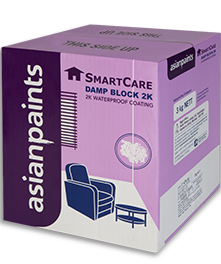
A high-performance waterproof coating that helps protect interior and exterior walls against moisture and water seepage. It also provides a suitable base for repainting after waterproofing.
SmartCare Damp Proof Ultra
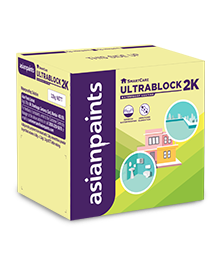
Designed for areas exposed to higher levels of moisture, this advanced waterproofing solution offers enhanced resistance against dampness while improving the durability of walls.
SmartCare Crack Seal
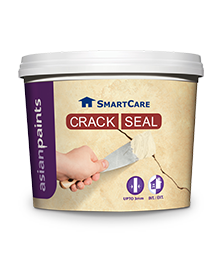
Ideal for sealing hairline cracks before waterproofing or painting. It helps reduce moisture entry through fine cracks.
SmartCare Crack Fill Paste
A ready-to-use filler that repairs small surface cracks and prepares walls for waterproofing and painting.
SmartCare Cem Boost
Suitable for cement-based waterproofing applications, SmartCare Cem Boost improves the strength and waterproofing performance of cement mortar.
Selecting the right combination of repair products and waterproofing systems helps provide durable protection for interior walls.
Benefits of Interior Waterproofing
Interior waterproofing offers more than just protection against leaks. It helps maintain healthier, stronger, and better-looking living spaces.
Some of the key benefits include:
Prevents water seepage through interior walls.
Reduces dampness and moisture-related damage.
Helps control mould and mildew growth.
Protects paint and plaster finishes.
Improves indoor air quality.
Extends the lifespan of walls and ceilings.
Reduces maintenance and repair costs.
Improves the appearance of interior spaces.
Helps prepare surfaces for waterproofing painted walls and future repainting.
Increases the overall durability of your home.
Interior Waterproofing Cost in India
The cost of interior waterproofing depends on several factors, including the size of the affected area, the extent of moisture damage, and the waterproofing products selected.
Minor repairs involving small damp patches generally cost less than projects requiring extensive crack repair, plaster replacement, and complete wall waterproofing.
A professional inspection helps determine the most suitable waterproofing solution and provides an accurate estimate based on the condition of the walls.
Waterproofing Inside House Cost
There is no standard cost for waterproofing inside a house because every project has different requirements.
The total cost depends on:
Area to be waterproofed.
Severity of water seepage.
Extent of wall damage.
Crack repair requirements.
Surface preparation.
Waterproofing products selected.
Labour and application method.
Repainting requirements after waterproofing.
Choosing premium waterproofing products may involve a higher initial investment but can significantly reduce future maintenance expenses.
How to Estimate Interior Waterproofing Cost for Your Home
Before estimating the cost of interior waterproofing, it is important to understand the source and extent of the moisture problem.
A professional inspection typically considers:
Total wall area requiring waterproofing.
Existing cracks and plaster damage.
Source of water seepage.
Type of waterproofing system required.
Number of waterproofing coats.
Repair work before waterproofing.
Accessibility of the affected area.
Finishing and repainting requirements.
Obtaining a professional assessment helps ensure that the most effective solution is selected while avoiding unnecessary repairs.
Common Mistakes to Avoid During Interior Waterproofing
Proper interior waterproofing requires identifying the source of moisture and using the right products and application methods. Avoiding these common mistakes can help improve the effectiveness and lifespan of the waterproofing system.
Ignoring the Source of Water Seepage
Applying waterproofing without fixing the root cause of water seepage may only provide temporary results. Plumbing leaks, terrace leakage, or cracks should always be repaired before waterproofing begins.
Waterproofing Over Damp Surfaces
Applying waterproofing products on wet or poorly prepared walls can affect adhesion and reduce performance. The surface should be clean, sound, and prepared according to product recommendations.
Choosing the Wrong Waterproofing Product
Different areas require different waterproofing solutions. Bathrooms, kitchens, balconies, and basements have varying moisture levels, so selecting the appropriate waterproof for wall solution is important for long-term protection.
Skipping Crack Repairs
Cracks should always be repaired before waterproofing. Moisture can continue to enter through untreated cracks, reducing the effectiveness of the waterproofing layer.
Recommended Asian Paints Products:
Using Waterproof Paint as the Only Solution
While a waterproof paint for wall can improve moisture resistance, it should not be used as a substitute for repairing leaks or applying a complete waterproofing system. Addressing the underlying cause of moisture is essential for lasting results.
Painting Before Waterproofing Has Fully Cured
Applying primer or paint before the waterproofing layer has cured completely can affect both the waterproofing performance and the finish of the paint.
Tips to Maintain Waterproofed Interior Walls
Regular maintenance helps keep waterproofed walls in good condition and reduces the risk of future moisture problems.
Here are a few simple maintenance tips:
Inspect walls regularly for signs of water seepage or damp patches.
Repair plumbing leaks as soon as they are detected.
Keep bathrooms and kitchens well ventilated.
Clean mould or mildew promptly if it appears.
Repair small cracks before they become larger.
Avoid drilling into waterproofed walls unless necessary.
Check exterior walls and terraces periodically for leakage that may affect interior walls.
Repaint walls only after ensuring the waterproofing layer remains intact.
Schedule professional inspections if recurring dampness is noticed.
Routine inspections and timely maintenance help extend the life of wall waterproofing systems and reduce repair costs.
Why Choose Asian Paints For Interior Waterproofing Services?
Protecting your interiors from moisture requires more than simply covering damp patches with paint. Effective waterproofing begins with identifying the source of water seepage, repairing the affected areas, and applying the right waterproofing products for long-lasting protection.
Asian Paints offers comprehensive interior waterproofing solutions that combine expert inspection, premium waterproofing products, and professional application. Whether your home has damp walls, peeling paint, recurring moisture, or cracks, trained professionals assess the condition of the surface and recommend the most suitable solution.
Some of the recommended Asian Paints waterproofing products include:
SmartCare Damp Proof – A high-performance coating that helps protect walls from moisture and improves the durability of painted surfaces.
SmartCare Damp Proof Ultra – Provides enhanced protection against severe dampness and water ingress.
SmartCare Crack Seal – Seals hairline cracks before waterproofing and repainting.
SmartCare Crack Fill Paste – Repairs small surface cracks to create a smooth base for waterproofing and paint.
SmartCare Cem Boost – Improves the strength and waterproofing performance of cement-based applications.
Whether you need wall waterproofing, repairs for moisture-damaged interiors, or waterproofing painted walls, Asian Paints provides end-to-end solutions designed to help keep your home dry, durable, and well protected.