

Boundary Wall Design
Home Exteriors
Boundary Wall Designs and Ideas for Your Home
A boundary wall sets the tone for your home and protects your space. Choose from modern designs like brick, stone, wood, or metal for both style and safety. Add lighting, murals, or vertical gardens for a unique look. The wall shows ownership and makes your property stand out. Pick the right size and finish to match your taste.
- Boundary walls protect your home, add privacy, and improve curb appeal.
- Various materials like brick, stone, wood, and metal suit different styles and security needs.
- Creative design ideas include recessed lighting, murals, and vertical gardens.
- Walls help define ownership, reduce disputes, and raise neighborhood standards.
- Finish and size options let you personalize to your liking.
- Boundary Wall Designs and Ideas for Your Home
- What Is a Boundary Wall?
- Why a Boundary Wall Matters
- Types of Modern Boundary Wall Designs
- Modern Boundary Wall Design Ideas
- FAQs on Compound Wall Design
- Need help with your painting needs?
The boundary wall around your home does much more than mark property lines. It sets the tone for what lies within. It is the first thing visitors notice and often the strongest contributor to your home’s curb appeal.
A well-designed boundary wall protects your space, defines your style, and enhances the overall architecture of your home. Whether you prefer something minimal, natural, bold, or artistic, today’s boundary wall designs allow you to express your personality while maintaining security and privacy.
Let’s explore modern boundary wall designs that elevate both safety and aesthetics.
What Is a Boundary Wall?
A boundary wall encloses your property and separates it from the surrounding area. Builders typically construct it using materials such as brick, stone, concrete, metal, wood, or a mix of these. Most boundary walls range between four and eight feet in height.
Homeowners often integrate additional security features like grills, spikes, lighting, cameras, or fencing. When designed thoughtfully, a boundary wall balances safety with style.
Why a Boundary Wall Matters
A boundary wall plays several important roles:
It protects your home from unwanted entry
It enhances the exterior appearance of your property
It clearly defines ownership and responsibility
It reduces disputes by creating a clear demarcation
It elevates the visual standard of the neighbourhood
It adds value to your property when designed well
A visually appealing boundary wall reflects care, taste, and attention to detail.
Types of Modern Boundary Wall Designs
Boundary walls can be broadly classified based on the materials used. Each material offers a unique look and function.

1. Brick Boundary Wall Design
Brick boundary walls never go out of style. Their warm, earthy appeal suits both traditional and contemporary homes.
You can experiment with red bricks, whitewashed finishes, or even darker tones for a bold statement. Laying patterns such as herringbone or basketweave add visual interest. Combine brick with iron grills or wooden panels for added security and contrast.
Brick walls age gracefully and develop character over time.

2. Stone Boundary Wall Design
Stone boundary walls bring luxury and timeless elegance. Builders often use locally available stone such as sandstone, limestone, river stone, or granite.
Stone walls work beautifully in modern, rustic, and resort-style homes. You can design them as veneers, mosaics, or textured facades. When paired with lighting and greenery, stone walls create a striking visual impact.

3. Wooden Boundary Wall Design
Wooden boundary walls offer warmth and natural charm. They work well for homes that embrace organic or minimalist design.
Use treated wood to ensure durability. Combine wooden panels with concrete or metal frames to enhance strength and longevity. Wooden boundary walls also allow flexibility in spacing, letting in light while maintaining privacy.

4. Steel or Iron Boundary Wall Design
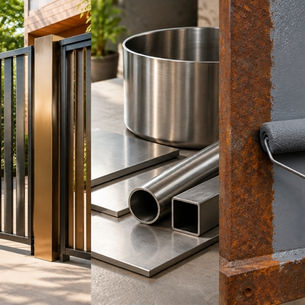
Steel and iron boundary walls suit modern and industrial-style homes. Designers often use vertical or horizontal metal slats to create sleek patterns.
Apply anti-rust coatings to protect the metal from weather damage. Pointed or angled metal designs also improve security without requiring additional fencing.

5. Concrete Boundary Wall Design
Concrete boundary walls offer durability and a clean, modern aesthetic. They work especially well for contemporary and industrial homes.
You can leave concrete in its natural grey finish or paint it to complement your exterior colour palette. Textures, grooves, and patterned moulds add depth and visual interest. Glass inserts or metal elements can soften the look and introduce openness.
Concrete walls last long and require minimal maintenance.

6. Boundary Wall Design with Grill
Grill designs add height and openness to solid boundary walls. When combined with brick, stone, or concrete, grills enhance ventilation and visibility while maintaining safety.
Metal grills also allow decorative patterns that elevate the overall look of the boundary wall.
Modern Boundary Wall Design Ideas
Your boundary wall offers endless opportunities for creativity. Here are some standout ideas to inspire you.

1. Add a Niche to Your Boundary Wall
Create visual breaks by adding niches. Use them to highlight textures, lighting, sculptures, or plants. Niches add depth and break monotony, especially in long boundary walls.

2. Accessorise with Lighting and Details
Install wall-mounted lights, lanterns, or recessed fixtures to highlight textures and patterns. Add small openings for plants or decorative elements to personalise the design.

3. Create Impact with a Mural
Transform your boundary wall into an art canvas. Murals reflect personality and instantly draw attention. Choose designs that resonate with your lifestyle, culture, or surroundings.

4. Highlight with Stone Cladding
Use stone cladding to accent specific sections like entry points or outdoor seating areas. Stone paired with warm lighting creates a dramatic and upscale look.

5. Add Openness with Grills
Grills combined with solid materials balance privacy and openness. They work particularly well for front boundary walls facing gardens or scenic surroundings.

6. Use Travertine for a Refined Look
Travertine stone adds elegance with its soft, neutral tones. Use it in niches or feature sections and pair it with glass, lighting, and greenery for a polished finish.

7. Introduce a Vertical Garden
Vertical gardens soften hard surfaces and bring life to boundary walls. They improve aesthetics and create a calming environment. Combine plants with subtle lighting for a dramatic evening effect.

8. Add a Water Feature
Incorporate fountains or cascading water features into your boundary wall design. Water elements paired with stone and lighting create a serene and luxurious entrance.

9. Try a Japanese Garden–Inspired Wall
Japanese-style boundary walls use wood or metal frameworks layered with plants and creepers. These designs offer partial privacy while blending beautifully with nature.

10. Choose Sustainable Fencing
Eco-conscious homeowners can opt for bamboo or other sustainable materials. These designs avoid heavy construction and create a soft, organic boundary that blends with the landscape.

11. Expose the Brickwork
Exposed brick boundary walls bring rustic charm. Pair them with metal gates, greenery, and warm lighting to enhance the overall look without additional finishes.
FAQs on Compound Wall Design
1. What are the best materials for boundary walls?
Popular choices include brick, stone, concrete, metal, wood, and bamboo. The best option depends on your budget, climate, and design preference.
2. How much does a boundary wall cost per square foot?
Costs vary based on materials, height, design complexity, and labour rates. Always consult local professionals for accurate estimates.
3. Which colour works best for boundary walls?
Neutral shades like white, beige, and grey suit most homes. Darker tones such as charcoal, navy, or earthy browns add drama. Choose colours that complement your home’s exterior and surroundings.
4. Are there rules for building boundary walls?
Yes. Local building codes often regulate height, placement, and shared boundaries. Always check local regulations before construction.
LIKE THIS ARTICLE
Give us a thumbs up!
TEXTURE FINISH
Royale Play special effects for the interior


Call us for Painting Services
 1800-209-5678
Are you looking for home interiors?
Get tailored made designs from our interior design services by asian paints.
Are you looking for home interiors?
Get tailored made designs from our interior design services by asian paints.
Fill the form below to book an appointment with an in house interior designer.