Find Contractor
 Profile
 {{minicart.cartcount > 0 ? minicart.cartcount : 0}}
Cart
{{minicart.cartcount > 0 ? minicart.cartcount : 0}}
Cart
↻ Processing...
You have {{minicart.cartcount}} items
-
₹ {{item["totalPrice"]["value"]}}




Get inspired


Most popular ideas


Interior Design Calculator


Call us for Painting Services
 1800-209-5678
We value your interest in Asian Paints Safe Painting Service. We will get in touch within 4 hours to schedule a visit by an expert.
Are you looking for home interiors?
Visit your nearest Beautiful Homes Store by Asian Paints.
Are you looking for home interiors?
Visit your nearest Beautiful Homes Store by Asian Paints.
Bid goodbye to your home painting hassles with our expert supervision

Refresh Your Outdoor Seating with the Right Colour Combination
Your balcony or patio is more than just an architectural extension; it is your private gateway to the outdoors. Whether you use it for your morning coffee or evening unwinding, the right balcony colour design can turn a neglected corner into a vibrant sanctuary. Refreshing this space with a thoughtful colour combination allows you to bridge the gap between your indoor comfort and the natural world outside.
Why Outdoor Seating Colour Matters
The colours you choose for your outdoor seating area dictate the energy of the space. While indoor rooms are contained by four walls, a balcony colour interacts with the sky, the surrounding greenery, and the building's exterior. The right palette can make a compact balcony feel like an expansive terrace or turn a breezy verandah into a cozy, sun-drenched nook.
Factors to Consider When Choosing Outdoor Seating Colours
Sunlight Exposure and Natural Lighting
Before picking a balcony colour combination, observe how the sun hits the space. East-facing balconies get harsh morning light, which can make bright whites feel blinding. West-facing areas deal with intense evening heat, where cooler tones like teal or slate can provide a visual sense of relief.
Size and Layout of the Outdoor Space
A small balcony wall colour combination should generally lean toward lighter shades to avoid a boxed-in feeling. Conversely, if you have a sprawling terrace, darker accent walls can help define specific zones, such as a dining area or a reading corner.
Weather-Resistant Paint Finishes
Outdoor surfaces face rain, dust, and UV rays. It is essential to choose exterior-grade emulsions that offer dust resistance and anti-fading properties. A high-quality finish ensures your balcony colour stays fresh despite the changing seasons.
Popular Outdoor Seating Colour Combinations
Classic pairings never go out of style. Some of the most loved combinations include:
Indigo and White: A timeless Mediterranean look that feels crisp and airy.
Terracotta and Cream: A warm, earthy duo that complements Indian stone flooring.
Sage Green and Beige: A soft, organic mix that blends seamlessly with potted plants.
Trending Outdoor Seating Colour Combinations for Modern Homes
Neutral Outdoor Palettes (White, Beige, Grey)
Modern apartments often benefit from a "Quiet Luxury" aesthetic. Using various shades of grey or a warm beige creates a sophisticated backdrop that allows your furniture and city views to take centre stage.
Earthy and Nature-Inspired Colours
Olive greens, clay browns, and sandy tans are trending as people seek to create a "forest" feel at home. These colours are grounding and help reduce the visual stress of urban living.
Pastel Outdoor Colour Schemes
For a whimsical or "shabby-chic" balcony, soft peaches, mints, and pale sky blues work beautifully. These shades catch the golden hour light perfectly, making them ideal for photography enthusiasts.
Two Colour Combinations for Outdoor Seating Areas
Using a two-colour strategy adds architectural interest. You might choose a deep charcoal for the main wall and a light silver for the ceiling or railings. Another popular balcony wall colour combination is a "split-wall" look, where the lower third is painted a darker, dirt-masking shade like coffee brown, while the top remains a breezy off-white.
Accent Colour Ideas for Outdoor Seating Spaces
Bold Accent Walls for Outdoor Areas
If the rest of your home is neutral, the balcony is a great place to experiment. A single wall in burnt orange or deep navy can create a stunning focal point without overwhelming the small area.
Colour Blocking for Balcony or Patio Walls
Geometric colour blocking—using tape to create sharp lines between contrasting colours—adds a playful, modern energy. This works exceptionally well in homes with a minimalist or contemporary design language.
Decorative Patterns for Outdoor Walls
Consider using stencils to create a Moroccan tile effect or simple stripes. Patterns add texture to the wall, which can help hide minor imperfections in the masonry.
Outdoor Seating Colour Ideas by Space Type
Balcony Seating
For high-rise balconies, stick to colours that complement the sky. Pale blues and soft greys help the railing "disappear" into the horizon.
Terrace Seating
Terraces can handle more drama. Use deeper tones like forest green or burgundy to create an "outdoor room" feel that feels distinct from the rest of the house.
Garden Seating
If your seating is tucked into a garden, choose "receding" colours like dark moss or deep brown. These allow the flowers and foliage to be the stars of the show.
Patio Seating
Patios often connect directly to the living room. Match the patio wall colour to a secondary accent colour from your interior to create a seamless indoor-outdoor flow.
Outdoor Seating Colour Combinations by Design Style
Modern Outdoor Seating Colours
Think monochrome. High-contrast pairings like black railings against stark white walls define the modern aesthetic.
Rustic and Natural Outdoor Palettes
Use "unrefined" colours like brick red, mustard, and stone grey. These pair excellently with wooden benches and wrought iron fixtures.
Minimalist Outdoor Seating Colour Schemes
A single-colour "wash" in a shade like oatmeal or light concrete keeps the space looking clean and uncluttered.
Latest Trends in Outdoor Seating Colour Combinations
We are seeing a move toward "Biophilic Design," which uses colours found in local landscapes. In India, this often means warm ochres, deep teals, and dusty pinks that reflect the vibrant natural surroundings.
Matching Outdoor Wall Colours with Furniture and Decor
Pairing Colours with Wooden or Wicker Furniture
Warm wood looks best against cool backdrops like duck-egg blue or mint. If you have dark wicker furniture, a pale cream or white wall will provide the necessary contrast.
Coordinating Colours with Outdoor Cushions and Rugs
If your walls are neutral, use your upholstery to add a "pop." Bright yellow cushions against a grey wall create an instant "sunshine" effect, even on cloudy days.
Matching Colours with Plants and Greenery
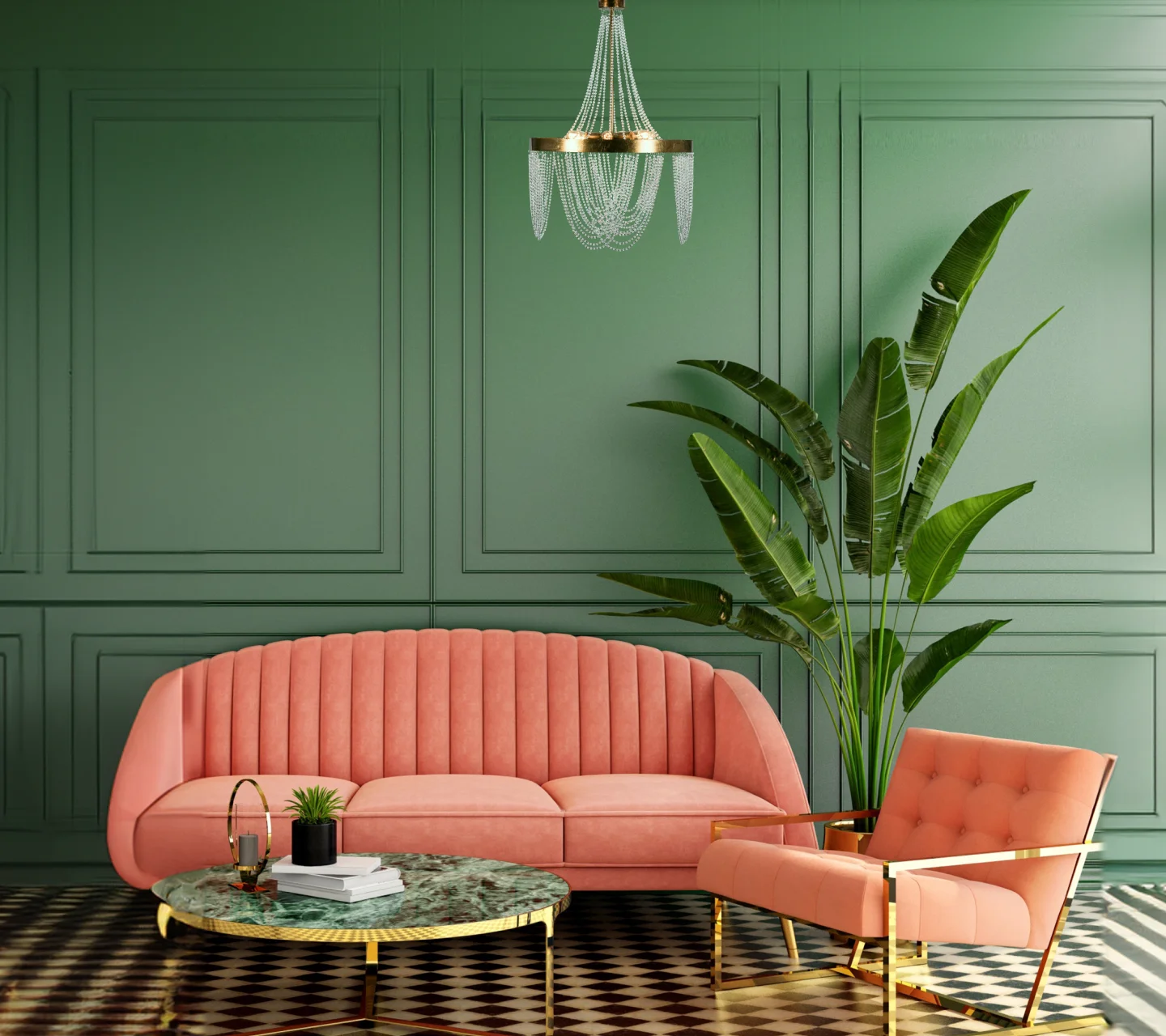
Remember that leaves are a colour too! Terracotta and deep reds are "complementary" to green on the colour wheel, making your plants look even more lush and vibrant.
Tips to Choose the Best Outdoor Seating Colours
Check the light: View your paint swatches at noon and at sunset.
Consider the floor: Ensure your wall colour doesn't clash with your balcony tiles.
Think of the view: Pick a colour that frames the view rather than distracting from it.
Colour Ideas for Different Outdoor Ambiences
Relaxing Outdoor Seating Colours
Lavender, soft grey, and pale blue are scientifically linked to lower stress levels.
Bright and Energetic Balcony Colours
Vibrant turquoise, sunny yellow, and tangerine are perfect for a space meant for entertaining and morning workouts.
Cozy and Warm Outdoor Colour Palettes
Chocolate brown, deep tan, and warm gold create a "hug" of a space that feels intimate at night under fairy lights.
Outdoor Colour Ideas for Small Seating Areas
Light Colours for Compact Balconies
Sticking to a monochromatic light palette prevents the eye from stopping at the walls, making the balcony feel larger.
Creating Depth with Two-Tone Walls
Painting the side walls a slightly darker shade than the main back wall can create an illusion of depth, making a shallow balcony feel more recessed.
A combination of warm neutrals and soft blues is generally considered the most inviting as it mimics the natural horizon.
Grey and White, Navy and Beige, or Olive and Tan are sophisticated choices that balance well with outdoor elements.
Warm Earth tones, such as terracotta paired with a creamy beige, create a snug and grounded atmosphere.
Lighter shades like beige, light grey, and off-white tend to fade less noticeably than deep reds or dark blues when exposed to constant UV rays.
Try a mix of turquoise, white, and a splash of coral or bright yellow for that beach-side resort vibe.
Start by looking at the existing exterior of your home. You want a colour that complements the main building while having enough personality to stand on its own.
1. Sage Green
2. Classic White
3. Terracotta
4. Slate Grey
5. Sandy Beige.
Clean the walls thoroughly to remove moss and dust, apply a specialized exterior primer, and use at least two coats of weather-shield paint.
An exterior-grade satin or semi-gloss emulsion is best as it resists moisture and is easy to wipe clean.
A "Greige" (Grey-Beige) or a soft Off-White with black accents works perfectly for both sleek modern lines and ornate vintage woodwork.
For wooden furniture, try cool tones like powder blue. For metal or black furniture, warm tones like peach or cream provide a beautiful balance.
Using a darker, receding colour on the side walls can make the space feel more enclosed and private. Adding a vertical trellis in a matching shade also helps.
Consider painting a "dark green" accent wall behind your plants. This makes the greenery blend in for a seamless "living wall" look, or a stark white wall to make each individual leaf stand out.