




Get inspired


Most popular ideas


Interior Design Calculator


Call us for Painting Services
 1800-209-5678
We value your interest in Asian Paints Beautiful Homes Painting Service. We will get in touch within 4 hours to schedule a visit by an expert.
Are you looking for home interiors?
Visit your nearest Beautiful Homes Store by Asian Paints.
Are you looking for home interiors?
Visit your nearest Beautiful Homes Store by Asian Paints.
Bid goodbye to your home painting hassles with our expert supervision
Kitchen design ideas
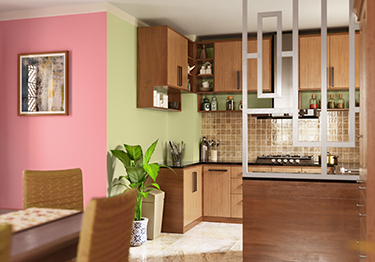
The kitchen is more than just a cooking space. It is where functionality meets style. Choosing the right kitchen colour combination can make your space look brighter, more spacious, and visually appealing. Whether you have a compact layout or a spacious modular setup, the right colours can completely transform your kitchen design.
Why Choosing the Right Kitchen Colour Combination Matters
Creating a Bright and Inviting Cooking Space
A well-planned kitchen colour combination for wall and cabinets can make your kitchen feel clean, fresh, and welcoming. Light tones can reflect more light, while darker shades add depth and character.
How Colours Influence Kitchen Ambience
Colours affect how your kitchen feels. Warm tones make it lively and energetic, while cool tones create a calm and organized environment.
Kitchen Colour Combinations by Layout & Style
1. Simple kitchen colour combinations
White and beige, cream and brown, or light grey and white are easy-to-maintain and timeless options.
2. Modern modular kitchen colour combinations
A modular kitchen colour combination often includes sleek tones like grey and white, black and wood, or navy with metallic finishes.
3. Small kitchen colour combinations
Light shades like white, pastel blue, or soft yellow help small kitchens feel larger and more open.
4. Luxury kitchen colour combinations
Deep shades like navy, charcoal, or emerald paired with gold or brass accents create a premium look.
5. Open kitchen colour combinations
Use colours that blend with the living area, such as neutral palettes or soft pastels, to maintain visual flow.
6. U-Shaped, L-Shaped & Parallel Layouts
Use lighter tones on upper cabinets and darker tones below to create balance and avoid a cluttered look.
7. Galley Kitchens
Stick to light colours and reflective finishes to make narrow spaces feel wider.
Trending Kitchen Colour Combinations for Modern Homes
Neutral Kitchen Colour Palettes
White, beige, and grey remain popular choices for a clean and elegant look. A grey kitchen colour combination is especially trending for modern homes.
Two-Tone Kitchen Cabinet Colours
Combining two colours like white and navy or grey and wood adds depth and visual interest.
Earthy and Nature-Inspired Kitchen Colours
Shades like olive green, terracotta, and sand bring warmth and a natural feel to the kitchen.
Two-Colour Combination Ideas for Kitchen Walls and Cabinets
Light and Dark Cabinet Combinations
Pair light upper cabinets with darker base cabinets to create contrast and balance.
Contrasting Wall and Cabinet Colours
Use neutral walls with bold cabinets or vice versa for a striking effect.
Monochrome Kitchen Colour Schemes
Different shades of the same colour, such as various greys, create a cohesive and modern design.
Kitchen Colour Combinations by Interior Style
Minimalist Kitchen Colour Schemes
Stick to whites, greys, and soft neutrals with clean lines.
Contemporary Kitchen Colours
Use bold accents like navy, teal, or mustard along with neutral bases.
Traditional Indian Kitchen Colours
Warm shades like brown, cream, and maroon work well with wooden finishes.
Scandinavian Kitchen Colour Ideas
White, light wood, and soft pastel tones create a bright and airy feel.
Factors to Consider When Choosing Kitchen Colours
Natural and Artificial Lighting
Well-lit kitchens can handle darker shades, while low-light spaces benefit from lighter tones.
Kitchen Size and Space Perception
Light colours make small kitchens look bigger, while darker tones add depth to larger spaces.
Cabinet Material and Finish
Glossy finishes reflect light and make spaces look brighter, while matte finishes offer a subtle and modern look.
Accent Colour Ideas for Kitchen Spaces
Bold Backsplash Colour Combinations
A vibrant backsplash in blue, green, or patterned tiles can become a focal point.
Accent Cabinet Colours
Use a bold colour for one section of cabinets to add character.
Colourful Kitchen Islands
A contrasting island colour can enhance the overall design.
Tips to Choose the Perfect Kitchen Colour Combination
Testing Paint Colours Before Finalising
Always test samples on your walls to see how they look in different lighting.
Balancing Bright and Neutral Colours
Combine bold shades with neutral tones to avoid overwhelming the space.
Maintaining Colour Harmony Across the Kitchen
Ensure walls, cabinets, and decor elements complement each other.
Light colours like white, cream, or pastel shades are widely preferred as they make the space look clean and bright.