

Waterproofing
Waterproofing for Kitchen
Waterproofing Solutions for Kitchens and Utility Areas
Kitchens and utility spaces deal with water every single day. From washing dishes to running washing machines, moisture is always present. The problem starts when that water slowly seeps into walls, floors, and cabinets without you noticing.
That’s where proper kitchen waterproofing comes in. It’s not just for bathrooms. If ignored, these areas can develop leaks, damage cabinets, and even weaken the structure over time.
IN THIS ARTICLE
1. What Makes Kitchens and Utility Spaces Prone to Water Damage?
2. What Causes Water Leakage in Kitchen and Utility Areas?
3. High-Risk Zones in Kitchens That Need Waterproofing
4. Utility Areas and Balconies – Why They Need Extra Protection
5. Why Ignoring Waterproofing in Kitchens Leads to Structural Damage
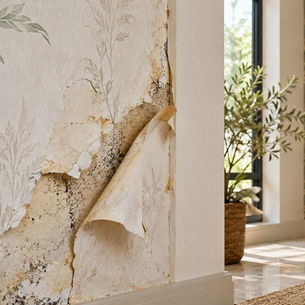
6. Common Signs Your Kitchen Needs Waterproofing
7. Hidden Damage Caused by Long-Term Moisture Exposure
8. Step-by-Step Kitchen Waterproofing Process
9. Why Professional Waterproofing Ensures Long-Term Kitchen Protection
10. FAQs for Waterproofing Solutions for Kitchens and Utility Areas
What Makes Kitchens and Utility Spaces Prone to Water Damage?
These spaces are constantly exposed to water and moisture.
Main reasons include:
Daily water usage
Hidden plumbing lines
Frequent spills and splashes
Limited ventilation in some layouts
Over time, even small leaks can lead to serious damage if there’s no proper waterproofing solution in place.

What Causes Water Leakage in Kitchen and Utility Areas?
Most leaks don’t come from one big issue. They build up from small problems.
Common causes:
Kitchen sink leakage due to loose fittings
Cracked tile joints
Poor sealing around pipes
Damaged plumbing connections
Water overflow in utility areas
Even a minor sink leakage can spread moisture into cabinets and walls.
High-Risk Zones in Kitchens That Need Waterproofing
Not all parts of the kitchen are equally vulnerable. Focus on:
Area under the sink
Behind kitchen cabinets
Floor and wall joints
Around pipe entry points
Backsplash tile joints
These are the spots where most kitchen sink leakage issues start.

Utility Areas and Balconies – Why They Need Extra Protection
Utility spaces are often overlooked, but they handle heavy water flow.
Washing machines can overflow
Floor slopes may not drain water properly
Rainwater can enter balconies
Without proper waterproofing solutions, these areas can cause seepage into adjacent rooms.
Why Ignoring Waterproofing in Kitchens Leads to Structural Damage
Sink areas
Constant moisture from sink leakage weakens cabinets and flooring.
Pipe joints
Small leaks at joints spread moisture inside walls.
Floor-wall junctions
Water collects in corners and slowly seeps into the structure.
Ignoring these areas can lead to expensive repairs later.

Common Signs Your Kitchen Needs Waterproofing
Watch for early signs before the damage spreads:
Swollen or damaged cabinets
Damp smell in the kitchen
Loose or hollow tiles
Water stains on nearby walls
Visible mold or fungus

Step-by-Step Kitchen Waterproofing Process
A proper process ensures long-term protection.
Surface preparation
Clean the area and remove grease, dust, and loose material.
Crack and joint sealing
Seal all gaps, especially near pipes and corners.
Application of waterproof membrane
Apply a flexible membrane to create a protective layer.
Protective screed or tile fixing
Finish with tiles or protective layers over the membrane.
This layered approach gives strong waterproofing solutions.
Cost Factors in Kitchen and Utility Waterproofing
Costs can vary based on several factors:
Area size
Larger kitchens mean higher cost.
Existing damage
Repairs increase the overall waterproofing cost.
Material type
Advanced membranes cost more than basic coatings.
Labour complexity
Hidden pipes and tight spaces increase effort.
In India, kitchen waterproofing usually ranges from ₹40 to ₹120 per sq ft.

Why Professional Waterproofing Ensures Long-Term Kitchen Protection
DIY fixes may stop leaks temporarily, but they rarely solve the root problem.
Professional waterproofing services:
Identify hidden leakage sources
Use the right materials for each area
Apply proper sealing and layering
Ensure long-lasting results
This is especially important for protecting waterproof kitchen cabinet structures and fittings.
FAQs for Waterproofing Solutions for Kitchens and Utility Areas
Is kitchen waterproofing necessary if tiles are installed?
Yes. Tiles are not waterproof. Water can seep through joints.
Should waterproofing be done before laying tiles?
Always. Waterproofing must go below the tiles for effective protection.
Can kitchen cabinets get damaged by moisture?
Yes. Even waterproof kitchen units can get damaged if exposed to continuous moisture.
How long does kitchen waterproofing last?
Typically 5 to 10 years, depending on materials and usage.
What is the cost of waterproofing a kitchen in India?
It usually ranges between ₹40 to ₹120 per sq ft, depending on the condition and materials used.
LIKE THIS ARTICLE
Give us a thumbs up!

TEXTURE FINISH
Royale Play special effects for the interior


Call us for Painting Services
 1800-209-5678
Are you looking for home interiors?
Get tailored made designs from our interior design services by asian paints.
Are you looking for home interiors?
Get tailored made designs from our interior design services by asian paints.
Fill the form below to book an appointment with an in house interior designer.