

Waterproofing
Waterproofing Guide
The Ultimate Guide to Waterproofing Your Home Before Painting
A fresh coat of paint can completely change how your home looks and feels. The walls look brighter. The space feels cleaner. Everything appears well put together.
But if moisture hides beneath the surface, even the best paint will struggle to last. That’s why waterproofing should always come before painting. When you prepare the surface properly, the finish stays beautiful for years.
This waterproofing guide explains why the step matters and how to do it right.
IN THIS ARTICLE
Why Waterproofing Is Essential Before Any Painting Project
Common Problems Caused by Painting Without Waterproofing
Why Paint Alone Cannot Solve Dampness and Leakage Issues
Areas of Your Home That Need Waterproofing Before Painting
Types of Waterproofing Solutions to Use Before Painting
Benefits of Proper Waterproofing Before Painting
How Professional Waterproofing Services Ensure Long-Term Protection
How Asian Paints Helps You Waterproof and Paint Your Home the Right Way
Waterproofing Before Painting: What It Means and How It Protects Your Home
Waterproofing before painting means treating walls, slabs, and joints to prevent water from entering them. It creates a protective layer that blocks moisture from seeping into the structure.
Water can travel through tiny cracks, porous plaster, and construction joints. Once inside, it weakens the surface slowly. Paint applied over such surfaces may look fine at first, but problems show up over time.
Proper waterproofing solutions seal these weak points. They strengthen the base. They give paint a dry, stable surface to bond with. When the foundation is strong, the finish performs better.

Why Waterproofing Is Essential Before Any Painting Project
Moisture and paint do not work well together. If you apply paint on damp walls, the trapped water pushes outward. That pressure causes peeling, bubbling, and stains.
Waterproofing protects both the structure and the paint layer. It prevents water damage during heavy rains. It reduces internal dampness in wet areas. It improves durability and lowers long-term maintenance.
When you plan a waterproofing painting project, you are not just thinking about colour. You are protecting your home from future repairs.
Common Problems Caused by Painting Without Waterproofing
Skipping waterproofing may seem convenient, but the results rarely last.
- Flaking and blistering paint
Moisture trapped beneath the paint surface creates bubbles. Over time, the paint begins to peel. The wall loses its smooth finish and needs frequent touch-ups.
- Efflorescence and white salt deposits
When water moves through masonry, it brings salts to the surface. These appear as white powdery patches. They affect the look of the wall and weaken paint adhesion.
- Mold and mildew growth
Damp walls create the perfect environment for mold. Corners, ceilings, and poorly ventilated spaces are especially vulnerable. This affects both the surface and indoor air quality.
- Recurring leakage and seepage
Painting alone cannot stop water from entering cracks or joints. Without proper waterproofing solutions, seepage keeps returning.

Why Paint Alone Cannot Solve Dampness and Leakage Issues
Many homeowners assume waterproofing paint is enough to handle leakage. While certain paints resist moisture, they work best when the base surface is already treated.
Paint acts as the top layer. Waterproofing products work deeper within the structure. They fill cracks, seal pores, and form a strong moisture barrier underneath.
If the root cause of dampness remains untreated, the paint layer eventually shows signs of stress. A complete waterproofing service addresses the problem at its source.
Areas of Your Home That Need Waterproofing Before Painting
Some parts of your home face more water exposure than others. These areas deserve special attention.
- Terrace and roof slabs
Terraces face direct sunlight, rainfall, and temperature changes. Small cracks develop over time. Waterproofing here prevents water from seeping into the ceiling below.
- Exterior walls and façades
Exterior walls constantly deal with rain and humidity. Waterproofing solutions protect them from water absorption and surface damage.
- Bathrooms and kitchens
Daily water use makes bathroom waterproofing essential. Floors, walls, and joints need sealing before painting or tiling. Kitchens also benefit from moisture protection around sinks and plumbing lines.
- Basements and balconies
Basements experience ground moisture pressure. Balconies collect rainwater. Waterproofing ensures these spaces remain dry and structurally sound.
- Window and door joints
Tiny gaps around frames often allow water entry during heavy rains. Proper sealing prevents internal damp patches near openings.
A careful inspection helps identify these vulnerable spots before painting begins.

Types of Waterproofing Solutions to Use Before Painting
Different surfaces require different waterproofing products. Choosing the right one depends on location and exposure level.
Cementitious waterproofing works well for bathrooms and internal wet areas.
Liquid membranes create a seamless coating for terraces and roofs.
Acrylic-based coatings protect exterior walls from rain and UV exposure.
Polyurethane systems provide flexibility for exposed slabs.
Crack fillers and sealants prepare surfaces before applying larger treatments.
Professional waterproofing service providers assess the surface condition and recommend suitable waterproofing solutions for long-lasting protection.

Benefits of Proper Waterproofing Before Painting
When you waterproof before painting, the results speak for themselves.
Paint adheres better
Walls stay free from damp patches
Maintenance costs reduce over time
Structural strength improves
The finish looks fresh for longer
Waterproofing supports the performance of your paint. It ensures your chosen shade remains smooth and even.

How Professional Waterproofing Services Ensure Long-Term Protection
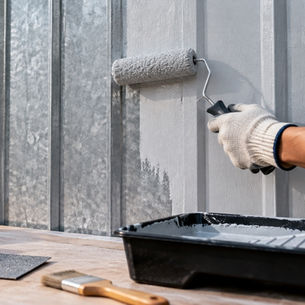
Professional teams follow a clear and careful process. They inspect the property to identify leakage sources. They repair cracks and damaged plaster. They apply suitable waterproofing products with proper coverage. They allow adequate curing time before painting begins.
This systematic approach ensures the surface is fully prepared. It also reduces the chances of future seepage.
When experts handle waterproofing and painting preparation, the final paint job looks polished and performs well.
How Asian Paints Helps You Waterproof and Paint Your Home the Right Way
Asian Paints offers complete solutions that combine waterproofing and painting under one roof.
Their experts inspect your home and recommend tailored waterproofing solutions for terraces, exterior walls, bathrooms, and other vulnerable areas. They use high-quality waterproofing products designed for Indian weather conditions. Once the surface is secure, they proceed with professional painting services.
This integrated approach saves time and ensures consistent results. Your home gets protection first, then a flawless finish.
FAQs
Is waterproofing necessary before every painting project?
Waterproofing is strongly recommended in areas exposed to moisture such as terraces, exterior walls, bathrooms, and damp-prone interiors. It ensures better paint performance and durability.
How long should waterproofing dry before painting?
Drying time depends on the type of waterproofing products used and weather conditions. Professionals follow manufacturer guidelines to allow proper curing before applying paint.
Can interior walls also need waterproofing?
Yes. Interior walls near plumbing lines, bathrooms, kitchens, or external seepage zones often require waterproofing before repainting.
How often should home waterproofing be redone?
The frequency depends on product quality and environmental exposure. Periodic inspections help determine when maintenance or reapplication is required.
LIKE THIS ARTICLE
Give us a thumbs up!
TEXTURE FINISH
Royale Play special effects for the interior


Call us for Painting Services
 1800-209-5678
Are you looking for home interiors?
Get tailored made designs from our interior design services by asian paints.
Are you looking for home interiors?
Get tailored made designs from our interior design services by asian paints.
Fill the form below to book an appointment with an in house interior designer.