

Waterproofing Primer
waterproof primer paint
Surface Preparation and Primers: The Missing Step in Effective Waterproofing
When waterproofing fails, most people blame the product. But in reality, the problem often starts much earlier. Poor surface preparation and skipping primers are among the most common reasons waterproofing systems do not last.
Waterproofing is not just about applying a coating. It is a system where every step matters. Surface preparation and the right waterproofing primers create the foundation for long-lasting protection. Without them, even the best waterproof coating struggles to perform.
Let’s understand why this step is so important and how it makes all the difference.
IN THIS ARTICLE
What Is Surface Preparation in Waterproofing and Why Does It Matter?
What Are Primers in Waterproofing and How Do They Work?
Why Waterproofing Fails Without Proper Surface Preparation
Why Proper Surface Preparation Is Critical for Effective Waterproofing
Areas Where Surface Preparation and Primers Matter the Most
How Primers Enhance Waterproofing Performance and Durability
Types of Primers Used in Waterproofing by Asian Paints
How Asian Paints Ensures Reliable Waterproofing Through Proper Preparation and Priming

What Is Surface Preparation in Waterproofing and Why Does It Matter?
Waterproofing surface preparation is the process of getting the area ready before applying any primer or coating. This step ensures that the surface is clean, stable, and capable of holding waterproof materials properly.
Surface preparation usually includes:
Removing dust, dirt, grease, and loose particles
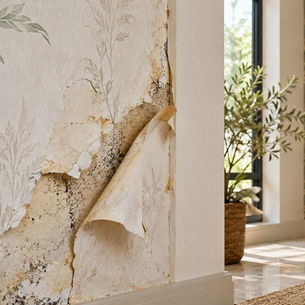
Cleaning algae, fungus, or mould growth
Repairing cracks, holes, and damaged areas
Ensuring the surface is dry and structurally sound
If the surface is weak or dirty, waterproof materials cannot bond properly. Over time, this leads to peeling, cracking, or water seepage. Proper preparation helps waterproofing systems perform exactly as intended.

What Are Primers in Waterproofing and How Do They Work?
Primers play a critical role in waterproofing systems. A primer for waterproofing acts as a bonding layer between the surface and the waterproof coating.
Purpose of primers in waterproofing systems
Waterproofing primers seal the surface pores and prepare it to receive the coating. They strengthen weak substrates and prevent uneven absorption of waterproof materials.
How primers improve adhesion and surface bonding
A waterproof primer for walls improves adhesion by creating a uniform surface. This allows waterproof coatings to spread evenly and stick firmly, reducing the risk of peeling or flaking.
Difference between primers, sealers, and waterproof coatings
Primers improve bonding and surface strength. Sealers block surface pores and reduce absorption. Waterproof coatings form the main protective barrier against water. Each has a different role, and skipping the primer weakens the entire system.

Why Waterproofing Fails Without Proper Surface Preparation
Many waterproofing failures happen not because of product quality, but due to shortcuts during application.
When surface preparation is ignored:
Waterproof coatings do not adhere properly
Moisture gets trapped beneath the coating
Cracks reopen due to weak bonding
Coatings peel or blister within months
Applying waterproofing without preparation is like painting over dust. The result may look fine initially, but it does not last. Proper preparation ensures the waterproofing system performs under real conditions like rain, humidity, and temperature changes.

Why Proper Surface Preparation Is Critical for Effective Waterproofing
Surface preparation directly affects the lifespan and performance of waterproofing systems.
Proper preparation:
Improves adhesion and durability
Prevents moisture-related failures
Enhances the effectiveness of waterproof primer paint
Reduces the need for frequent repairs
By investing time in preparation, homeowners save money in the long run and avoid repeated waterproofing problems.

Areas Where Surface Preparation and Primers Matter the Most
Some areas are more exposed to water and weather and need extra attention.
These include:
Exterior walls and facades
Roofs, terraces, and balconies
Bathrooms and kitchens
Basements and foundation walls
Using a waterproof primer for exterior walls is especially important because these surfaces face direct rain, sunlight, and temperature variations. Proper preparation in these areas ensures reliable protection.

How Primers Enhance Waterproofing Performance and Durability
Primers do more than just help coatings stick. They improve overall waterproofing performance.
Benefits of using a waterproof wall primer include:
Better bonding between surface and coating
Reduced surface porosity
Uniform application of waterproof coatings
Increased resistance to peeling and cracking
A good primer also ensures consistent coverage, which improves both performance and finish quality.
Types of Primers Used in Waterproofing by Asian Paints
Asian Paints offers a range of waterproofing primers designed for different surfaces and conditions.
Common types include:
Acrylic-based waterproofing primers for walls
Cementitious primers for concrete surfaces
Deep-penetrating primers for porous substrates
These primers are designed to work seamlessly with Asian Paints waterproofing systems. They are selected based on surface condition, exposure level, and application area.
Homeowners often ask about waterproof primer price, but it is important to remember that primers are an investment in durability. Using the right primer reduces future repair costs significantly.
How Asian Paints Ensures Reliable Waterproofing Through Proper Preparation and Priming
Asian Paints follows a system-based approach to waterproofing. This means every step is planned and executed carefully.
Their process includes:
Professional surface inspection
Thorough waterproofing surface preparation
Selection of the right primer for waterproofing
Application by trained professionals
Use of high-quality waterproof primer paint and coatings
This structured approach ensures that waterproofing solutions last longer and perform better, even in harsh weather conditions.
FAQs
Is primer necessary before applying waterproofing?
Yes. Primer is essential for proper bonding. Without it, waterproof coatings may not adhere well and can fail prematurely.
What happens if waterproofing is done without surface preparation?
Waterproofing applied on unprepared surfaces often peels, cracks, or allows water seepage within a short time. Surface preparation ensures durability and effectiveness.
Can waterproofing be applied on damp or wet surfaces?
In most cases, no. Damp or wet surfaces prevent proper adhesion. Surfaces should be dry before applying primers and waterproof coatings unless specified otherwise.
Which primer is best for waterproofing applications?
The best primer depends on the surface and exposure conditions. A waterproof primer for walls or exterior surfaces should be chosen based on material type and moisture levels. Asian Paints offers specialised primers for different needs.
LIKE THIS ARTICLE
Give us a thumbs up!

TEXTURE FINISH
Royale Play special effects for the interior


Call us for Painting Services
 1800-209-5678
Are you looking for home interiors?
Get tailored made designs from our interior design services by asian paints.
Are you looking for home interiors?
Get tailored made designs from our interior design services by asian paints.
Fill the form below to book an appointment with an in house interior designer.