

Waterproofing
Waterproof Walls
Why You Must Waterproof Before Painting Your Walls
A fresh coat of paint can instantly brighten your home, improve its appearance, and protect your walls from daily wear. But before you choose colours or finishes, there is one important step you should never ignore: waterproofing.
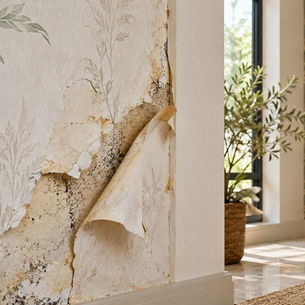
Many homeowners invest in premium paints and compare interior paints but overlook the condition of the surface underneath. Without proper waterproofing painted walls can quickly develop damp patches, peeling paint, cracks, and fungal growth. This not only affects the beauty of your interiors and exteriors but can also weaken the structure over time.
Whether you are planning to use waterproof paint for exterior walls or waterproof paint for interior walls, preparing the surface with the right waterproofing system is essential for long-lasting results.
IN THIS ARTICLE
What Does Waterproofing Matter Before Painting?
Why Painting Without Waterproofing Leads to Damage
Why Waterproofing Is Essential Before Painting Your Walls
Waterproofing Prepares Walls for Painting
Are the Best Waterproofing Solutions Before Painting
Where Should You Waterproof Before Painting?
The Right Way to Waterproof Before Painting
What Does Waterproofing Matter Before Painting?
Walls constantly face exposure to moisture. Rainwater, humidity, plumbing leaks, and seepage can slowly enter surfaces and damage them from within. Waterproofing creates a protective barrier that prevents water from penetrating the wall surface.
When waterproofing is done before painting, the paint adheres better and lasts longer. It also protects the structure from hidden moisture damage that often goes unnoticed until the problem becomes severe.
This is why the importance of waterproofing goes far beyond appearance. It helps maintain both the strength and beauty of your home.
Why Painting Without Waterproofing Leads to Damage
Painting over damp or untreated walls may look fine initially, but problems usually start appearing within a few months. Moisture trapped beneath the paint film slowly weakens the surface and affects the finish.

How Moisture Damages Painted Walls
Moisture seeps into walls through cracks, porous surfaces, terraces, bathrooms, or exterior exposure. Once trapped inside, it causes the paint layer to bubble, peel, or flake off. Damp walls can also develop stains and patches that ruin the final finish.
Over time, water penetration weakens plaster and may even affect the structural stability of the building.

What Are Common Issues in Non-Waterproofed Walls
Walls without waterproofing treatment commonly face:
Paint peeling and blistering
Damp patches and seepage marks
Fungus and mould growth
Salt deposits or efflorescence
Cracks in plaster and paint film
Musty odours indoors
These issues not only reduce the life of the paint but also increase repair and repainting expenses.
Why Waterproof Paint Alone Is Not Enough
Many people assume that using waterproof paints or water resistant paint is enough to solve moisture problems. However, paint alone cannot stop active seepage or deep water penetration.
Waterproof paint for interior walls and waterproof paint for exterior walls are designed to provide surface-level resistance against moisture, complemented by interior waterproofing. But if the wall underneath already has cracks, leakage, or dampness, paint cannot fully protect it.
This is why waterproofing painted walls should always begin with proper surface treatment before the final paint application.
Why Waterproofing Is Essential Before Painting Your Walls
Waterproofing is not just an additional step. It is the foundation for durable and beautiful walls.
What Are the Types of Basement Waterproofing?
There are several basement waterproofing methods designed to tackle different types of water problems. Choosing the right one depends on the severity and source of leakage.

Prevents Structural Damage
Continuous moisture exposure can weaken concrete, plaster, and masonry. Waterproofing protects walls from seepage and prevents long-term structural deterioration.

Improves Paint Adhesion & Finish
Dry and properly treated walls help paint bond evenly with the surface. This improves smoothness, colour consistency, and overall finish quality.

Reduces Long-Term Maintenance Costs
Water damage often leads to repeated repainting and repairs. Waterproofing reduces maintenance frequency and helps save money over time.

Enhances Indoor Air Quality
Damp walls encourage mould and fungal growth, which can affect indoor air quality. Waterproofing helps create a cleaner and healthier living environment.
Ensures Long-Lasting Aesthetic Appeal
Walls stay cleaner, brighter, and more attractive for longer when they are protected from moisture damage.
Waterproofing Prepares Walls for Painting
Painting works best on a stable and dry surface. Waterproofing helps seal cracks, control moisture absorption, and strengthen the substrate before paint application.
This preparation ensures that primers and paints perform effectively and maintain their appearance for years. Without proper waterproofing, even premium paints may fail prematurely.
Are the Best Waterproofing Solutions Before Painting
The right waterproofing method depends on the area and the level of moisture exposure. Some commonly used solutions include:
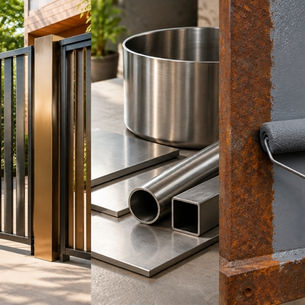
Waterproof cement-based coatings for exterior walls
Crack-filling compounds for damaged surfaces
Elastomeric waterproof coatings for terraces and facades
Waterproof primers before painting
Damp-proof treatments for interior walls
Protective coatings for bathrooms and kitchens
Choosing the correct system ensures better protection and paint durability.
Where Should You Waterproof Before Painting?
Certain areas in a home are more vulnerable to moisture and should always be waterproofed before painting:
Exterior walls exposed to rain
Bathrooms and kitchens
Terraces and balconies
Basement walls
Ceiling corners prone to leakage
Areas near plumbing lines
Interior walls affected by dampness or seepage
Waterproofing these spaces helps prevent recurring paint damage and moisture-related issues.
The Right Way to Waterproof Before Painting
Proper waterproofing requires careful preparation and the right application process.

Step 1: Identify moisture-prone areas
Inspect walls for damp patches, cracks, bubbling paint, or leakage signs. Identifying the source of moisture is the first step towards effective treatment.

Step 2: Repair cracks & leakage sources
Seal cracks, repair plumbing leaks, and fix damaged plaster before beginning waterproofing treatment.
Step 3: Apply suitable waterproofing system
Choose the right waterproofing solution based on the location and severity of moisture exposure. Ensure even application across the surface, adding a protective tile coat if required.
Step 4: Allow proper curing time
Waterproofing products need adequate curing time to perform effectively. Painting too early can reduce protection and affect paint adhesion.
Step 5: Use primer + high-quality paint
Once the surface is fully cured and dry, apply a suitable primer followed by premium-quality paint for long-lasting results.
Why Choose Professional Waterproofing Before Painting
Professional waterproofing ensures accurate diagnosis of moisture issues and proper application techniques. Experts can identify hidden leakage points, recommend suitable products, and ensure long-term protection.
A professional approach also improves paint performance and reduces the chances of recurring dampness problems. When combined with high-quality waterproof paints, proper waterproofing creates walls that remain strong, beautiful, and protected for years.
FAQs for Why You Must Waterproof Before Painting Your Walls
What is the importance of waterproofing before painting walls?
Waterproofing protects walls from moisture damage, improves paint durability, prevents seepage issues, and helps maintain a smooth and long-lasting finish.
Can waterproof paints replace waterproofing treatment?
No. Waterproof paints provide surface protection, but they cannot stop deep seepage, cracks, or structural moisture problems. Proper waterproofing treatment is still necessary.
How long should waterproofing be done before painting?
The curing time depends on the waterproofing product used. In most cases, surfaces should be allowed to dry and cure completely before primer and paint application.
What happens if you paint walls without waterproofing?
Walls may develop peeling paint, damp patches, fungal growth, cracks, and discolouration due to trapped moisture.
Which areas of a home need waterproofing before painting?
Exterior walls, bathrooms, kitchens, terraces, balconies, basements, ceilings, and damp-prone interior walls should always be waterproofed before painting.
LIKE THIS ARTICLE
Give us a thumbs up!
TEXTURE FINISH
Royale Play special effects for the interior


Call us for Painting Services
 1800-209-5678
Are you looking for home interiors?
Get tailored made designs from our interior design services by asian paints.
Are you looking for home interiors?
Get tailored made designs from our interior design services by asian paints.
Fill the form below to book an appointment with an in house interior designer.